Category: Disability Rights & Advocacy

Exploring accessibility, inclusion, and equal rights for people with disabilities. From policy discussions to personal experiences, this category highlights barriers, progress, and advocacy efforts for a more equitable world.

  • Why Can’t Pants Just Fit?

    Why Can’t Pants Just Fit?

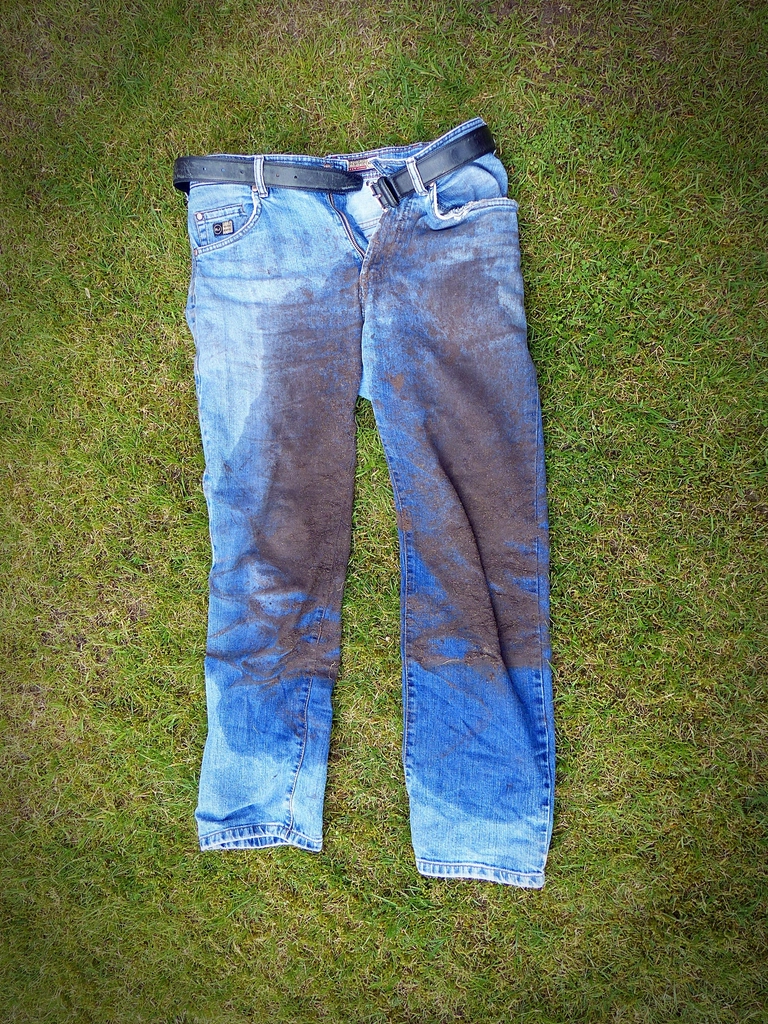
    Let me set the scene. I am in the bathroom, getting ready to do what one does in the bathroom, and I go to pull down my pants. Except I don’t really pull them down. They just slide. Right off my hips, no effort required, like they were waiting for an excuse.

    My first thought was that I had grabbed a pair that were too big. It happens. I lost a significant amount of weight a few years ago and had to size down, and some of my older pairs are still floating around in the rotation. But no. I checked. Same size as my newer pairs.

    Which brings me to a question I have been asking for years: why can’t a size just be a size?


    Here is the thing about my wardrobe

    Most of my clothes come from the boys department.

    My shirts and pants, mostly from Target. My underwear, from JCPenney. A few adult shirts here and there, but adult sizing tends to run big and boxy, or long in the body and the leg, and none of that works great when you spend your day in a wheelchair. Boys sizing fits my body better, and there are real reasons for that.

    I am not especially tall, and I have a slim waist. My hips are another story: cerebral palsy has affected my hip joints over the years, and that has shaped my proportions in ways that make standard adult sizing a poor match. I also prefer shirts that hit just below the waist or near the hips, which makes dressing easier day to day. Adult cuts tend to be too long, too wide through the chest, or both. Boys sizing, more often than not, actually fits.

    I want to be clear about something, because I know where some people’s minds go when they hear that. Shopping in the boys department does not make me childish. It does not make me immature. It means I found clothing that fits my body, which is the entire point of clothing.

    Most of what I wear, you would never clock as coming from the boys section. A plain tee is a plain tee. A pair of jeans is a pair of jeans. Do I have a few shirts with something a little more fun on them? Sure. But the majority of my wardrobe could pass in either direction without anyone batting an eye.

    I am just a person wearing clothes that fit. Novel concept.


    So about that sizing problem

    Here is where it gets frustrating. Boys sizing runs differently than adult sizing, and I have made my peace with navigating both. What I have not made my peace with is that boys sizing is not even consistent with itself.

    A boys size 18 is a youth size, not an adult one. But that number does not mean the same thing from one brand to the next. I actually keep a reference chart just to keep track, not because I enjoy doing extra homework before buying a pair of pants, but because the numbers mean so little on their own that I genuinely need it. A boys size 18 at Target fits differently than a boys size 18 at JCPenney. Same number, two different brands, two different fits. And that is before you factor in that sizing can shift within the same brand from one year to the next.

    The number on the tag is not a measurement. It is a suggestion. A rough estimate. A vibe.

    If I buy a size, that number should reflect an actual measurement. The same measurement, every brand, every year. The fact that it does not is not just inconvenient. For a lot of people, it means clothes that do not fit, returns that are a hassle, and a shopping experience that already takes more effort than it should.


    And it is not just pants

    For a long time, shoes were their own separate nightmare.

    I wore AFOs for years. AFOs, or ankle-foot orthoses, are rigid braces that support the foot and ankle and are commonly used by people with conditions like cerebral palsy. They slip inside your shoe, which means your shoe has to be big enough to accommodate both your foot and the brace. My true foot size is a men’s 8. But for most of the years I wore AFOs, I was buying a men’s size 10 just to make them work. The last pair that actually fit over my braces were a pair of Doc Martens at a size 10. They did the job, but finding them was not easy, and shoe shopping was never simple.

    I stopped wearing AFOs a few years ago. That is when I found out what size my feet actually are.

    There is another wrinkle worth mentioning. Because of my cerebral palsy and the fact that I do not bear weight the way most people do, unless I am in the middle of a transfer, my feet do not sit flat. That makes it difficult to get an accurate measurement in the first place, which adds yet another layer to an already complicated process.

    Eventually I found Billy Footwear, and things got a lot better. Billy’s designs shoes that zip open fully around the sides, making them genuinely easier to put on for people with a wide range of mobility needs. For the first time, I was buying shoes in a size that actually reflected my feet, not my braces, not a workaround. I receive no compensation from Billy Footwear. I just think they are worth knowing about.

    But the point is: I spent years buying shoes two sizes too big because the alternative was not having shoes that worked. That is not a sizing inconsistency problem in the same way pants are. That is a whole different failure of the system. And it is exhausting to navigate both at once.


    For wheelchair users, the stakes are a little higher

    Back to those pants sliding off my hips in the bathroom.

    That moment was funny, in the way that a lot of disability moments are funny when you are not in the middle of a transfer. But it is also not nothing.

    I cannot count the number of times I have been mid-transfer into my chair and had to stop and readjust because my pants had slid down. Transfers require focus and coordination. Having to pause and hike your pants back up in the middle of one is not just annoying. It is a real disruption, and depending on the situation, it can affect your safety and your dignity.

    I could wear a belt every day. Sure. Except a belt is not just something I forgot to grab. It is time and energy, and when you are a wheelchair user who needs to get to the bathroom in a hurry, that time and energy is not always available. A belt between you and the bathroom can be the difference between making it and not making it. That is not a minor inconvenience. That is a real problem.

    Here is the thing, though. Most of my pants, because they come from the boys department, are either pull-on or they fasten with snaps rather than the buttons and zippers you find on adult men’s pants. That actually works in my favor. Both Target and JCPenney carry adaptive clothing lines, and I have tried a few things from each. But for my needs, regular boys department basics do the job just as well, often with the same easy-access features that adaptive clothing is designed around, and without the premium price tag. The boys department accidentally solved a problem the adaptive clothing industry charges extra to address.

    Which makes the sizing inconsistency even more frustrating. When you find a department that fits your body, fits your budget, and happens to have features that make your daily life easier, you want to be able to rely on it. A boys size 18 should mean the same thing every time. It does not. And that matters.


    A size should be a size. Every brand. Every year. Every time. It is not a complicated request. It just, apparently, is not how the industry works.

    And until it does, I will be in the boys department at Target, checking the tag on every pair of pants, and hoping for the best.

    Does inconsistent clothing sizing affect how you shop? I would love to hear how other wheelchair users and disabled folks navigate this, whether it is keeping your own reference chart, finding brands that actually work, or something else entirely. Drop a comment below.

  • When the Bus Doesn’t Pull Up: Advocating from the Back of the Bus

    When the Bus Doesn’t Pull Up: Advocating from the Back of the Bus

    So this actually happened last Saturday, and I’m just now sitting down to write about it because life has a way of doing that. But it’s been living rent-free in my head all week, so here we go.

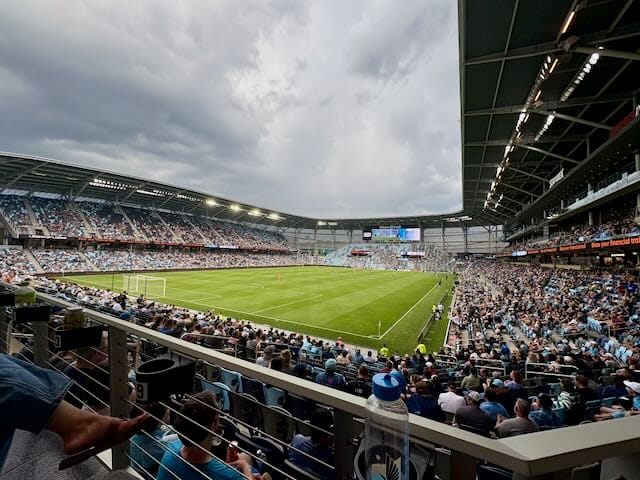
    Jason and I went to the Minnesota United game. Simple enough, right? Except it wasn’t.

    The green line was down for maintenance, so Metro Transit had shuttle buses running between downtown Minneapolis and downtown St. Paul. Shuttles on game days tend to get packed, so we decided to skip it and just take the 94. I take the 94 to work most days. I know the 94. The 94 and I are old friends.

    Or so I thought.

    Going: When the Bus Just… Doesn’t

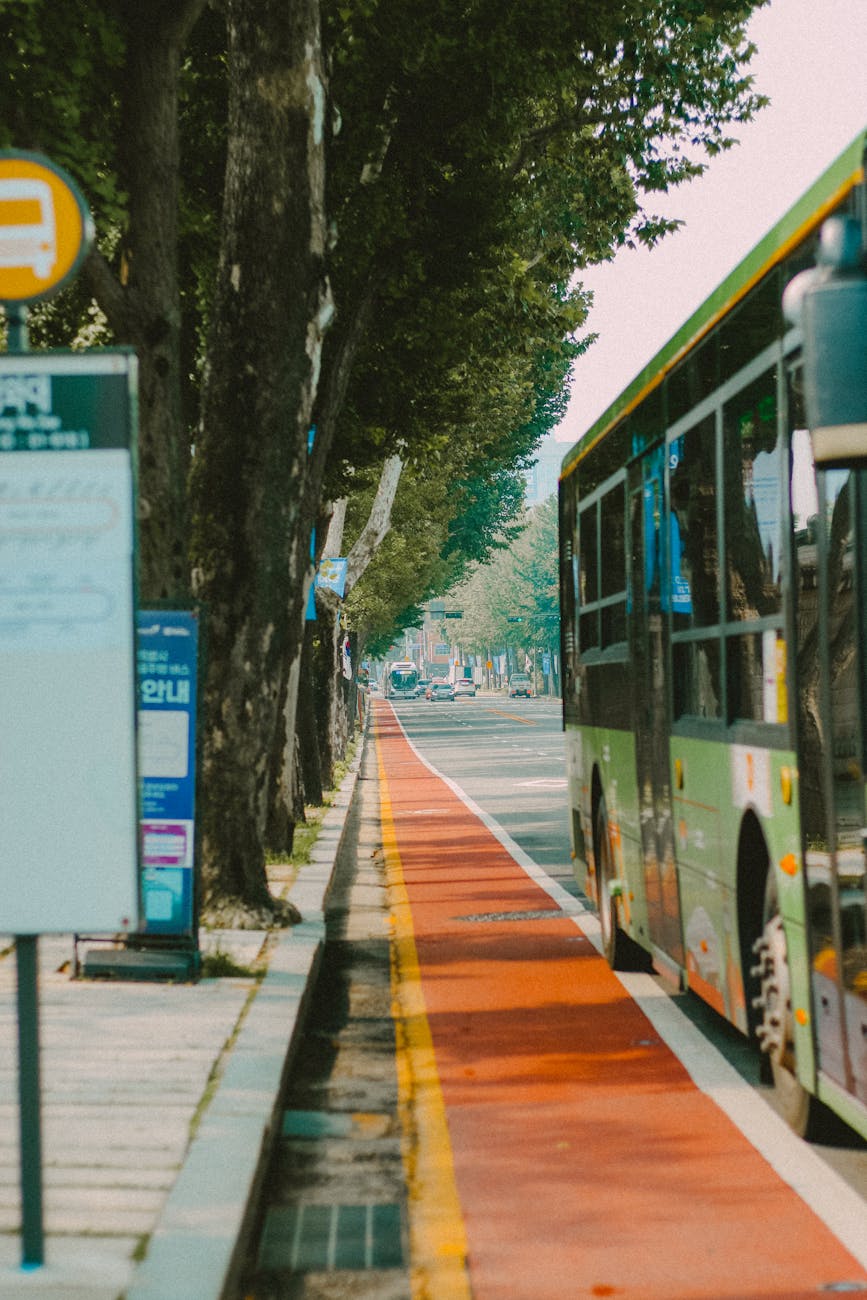
    When the 94 pulled up to our stop, it didn’t actually pull up. It stopped in the street. The driver leaned out and shouted that he was full, that he couldn’t accommodate me.

    Does that happen? Yes. Is there much I can do about it in the moment if a driver says the bus is full? Not really. So I took him at his word. Everyone else at the stop stepped off the curb and boarded. Jason and I watched the bus go.

    We ended up taking the green line shuttle after all. We made it to Allianz Field just in time for kickoff. I was a little annoyed, but the game was good, and I shook it off. Soccer helps.

    Coming Home: A Different Story

    After the game, I figured the shuttle would be the easy option heading back. It was not easy.

    The shuttle loading area was right next to where a CVS had been torn down a few weeks earlier. Construction barricades were everywhere, and they were blocking the sidewalk. I couldn’t get through. I couldn’t load onto the shuttle. Just like that, the “easy” option was off the table.

    Since I don’t usually take the 94 from downtown St. Paul, I wasn’t entirely sure where it picked up. Cue some finagling, some frustration, and, honestly, a little aggravation on Jason’s part too. But we found it.

    This Time, I Spoke Up

    Here’s where it got interesting. The same scenario played out: the bus wasn’t pulled to the curb. But this time, I decided to speak up. A little louder. A little more firmly.

    The driver seemed to think I was just going to hop off the curb into the street. Power wheelchairs do not hop curbs. A few people nearby offered to lift me. They meant well, genuinely. I politely declined. One wrong move and someone gets hurt, I get hurt, or my chair gets damaged. None of those are great outcomes.

    The driver eventually maneuvered the bus to the curb and loaded me on. I don’t know if he was having a rough day. Game days are chaotic, the green line was down, and everyone was stressed. I get it. But it still needed to happen, and it happened because I asked for it to happen.

    Oh, and then the bus had a mechanical issue and had to pull off on the freeway. Which has genuinely never happened to me in all my years of riding Metro Transit. So that was a thing.

    Even Advocates Need a Nudge Sometimes

    Here’s what I keep coming back to: even those of us who do this work, who talk about disability rights, who know our rights, who have the language, sometimes freeze up in the moment. Sometimes we’re tired. Sometimes we’re just trying to get home after a long day and we don’t want to make it a whole thing.

    I needed a gentle nudge from Jason to speak up on the way home. And that’s okay. Advocacy isn’t a switch you flip on and it stays on forever. It takes energy. And sometimes it takes a partner, literally or figuratively, reminding you that you’re allowed to take up space.

    Even if that space is at the back of the bus, waiting for the driver to pull six feet closer to the curb.

    We got home. Minnesota United lost 0-1 to LAFC. And I’m still thinking about that ride.

    Have you ever frozen up in a moment when you knew you needed to speak up? What helped you find your voice?

    As for today: no bus rides on the agenda. Minnesota United is playing the Columbus Crew in Columbus tonight at 6:30, so I’ll be watching from the couch.

    Good thing too, because Metro Transit is doing more maintenance on the green line this weekend. Shuttle buses again. I’ll be staying home, thanks.

  • Grieving the End of The Things We Leave Unfinished

    Grieving the End of The Things We Leave Unfinished

    I finished The Things We Leave Unfinished yesterday. At work.

    And then I sat there staring at my computer screen for a solid five minutes, headphones still in, not moving, because I genuinely did not know what the hell had just happened to me.

    Eventually I took my headphones off, got up, and took the dog for a walk. Because what else do you do? You can’t just go back to trying to focus after that.

    You can’t.

    The dog didn’t know why we were suddenly going outside, but he didn’t ask questions, and I appreciated that.

    Rebecca Yarros. If you’ve been anywhere near #BookTok in the last couple of years, you probably know her from the Empyrean series, Fourth Wing and everything that followed. That’s how I found her too.

    And if you’re part of the disability or chronic illness community, there’s a good chance she hit you a little differently than she hit everyone else.

    Yarros has Ehlers-Danlos syndrome. She’s talked openly about it, and she built that lived experience into the Empyrean series through her protagonist Violet, whose chronic illness is woven into the story not as a plot device, but as just part of who she is.

    For a lot of us in the disability community, that kind of quiet, matter-of-fact representation is rare enough to stop you in your tracks. It stopped me. So I already trusted this author with something before I ever picked up The Things We Leave Unfinished.

    I thought I was prepared for what she could do to me.

    I was not prepared.

    Dual timeline. WWII love story tangled up with a present-day one. If you know, you know. If you don’t, go read it, and then come back here, because I need to talk about it with someone who’s been through it.

    A note before we go further: this post has vague spoilers. I won’t be laying out plot points in detail, but if you’re good at reading between the lines, you may be able to piece some things together. You’ve been warned. Go read the book first.

    Seriously.

    Go.

    This Isn’t the First Time a Book Has Done This to Me

    The last time a book wrecked me like this, I was sitting on my aunts’ kitchen floor.

    I was in college. I had been over to their place with the last Harry Potter book, told them I couldn’t leave to go back to my dorm until I finished it, and proceeded to plant myself on the kitchen floor and read. For what felt like hours. Deeply, completely, embarrassingly immersed right up until the last page turn.

    And then I just sat there. On the floor. Not ready to leave that world. Not sure how to go back to normal life after living so long inside that one.

    That’s a particular kind of loss, not just the end of a story, but the end of a relationship with a story. The kind that’s been woven into actual years of your life. I filed that feeling away, figured it was specific to Harry Potter. To the scale of it. The years of it.

    And then yesterday happened.

    The Normal Kind of Grief

    There’s a particular hollow feeling that shows up when you finish a book you loved. It’s not sadness exactly, or it is, but it’s mixed up with other things. The story was still living in my head all day. I’d think about a scene between Scarlett and Jameson and feel warm about it, the way you do, and then remember: oh. There’s no more. That’s all there is.

    I miss the characters. Not in a hedged, I-know-they’re-fictional kind of way. Just, miss them. Full stop. I spent hours living alongside these people. I knew how they talked, what they were afraid of, the way love looked for them under impossible circumstances. And now they’ve stopped existing in any new way.

    That’s the ordinary grief of a good book ending. I know it well. But this one had something extra.

    The Revelation Kind of Grief (Here’s Where It Gets Vague)

    There’s a specific kind of hurt that comes when a story delivers a revelation near the end that reframes everything you thought you knew. Not a trick. Not a cheap twist. The kind that’s been earned, slowly, carefully, and lands with a weight that almost knocks you flat.

    That’s what happened near the end of this book.

    I found out something about a character I had loved, trusted, and grieved alongside the whole time, something that changed who I understood her to be. Entirely. The character in the book who receives this news reacts in a way that mirrored exactly what was happening in my chest in that moment. I felt it right alongside her.

    The grief doubled. I had to mourn the version of the character I thought I knew. Then mourn the truth. Then sit with the fact that the truth was, in its own way, even more heartbreaking than anything I’d braced for.

    It’s a strange feeling, retroactive grief. Going back over everything in your head through a new lens. Realizing the sacrifices were bigger than you understood. The losses, deeper. The love, somehow even more devastating for it.

    And I’m sitting at my desk at work going: holy crap. What the hell just happened.

    The Audiobook Factor

    Here’s the thing I didn’t fully account for going in: I listened to this book. And the narrator had a fairly decent English accent for the historical timeline: Scarlett, the letters, all of it. Which sounds like a small detail, but it wasn’t.

    There’s something about a voice in your ear that collapses the distance between you and a character in a way that reading off a page doesn’t always do. I wasn’t just reading about Scarlett and Jameson, I was hearing them. Their world had a sound. And when that world ended, it didn’t just close like a book. It went quiet. All at once. In my ears.

    One second I’m in WWII England. The next I’m just… at my desk. Staring at a screen. Surrounded by the ordinary sounds of my ordinary day. The whiplash of that is something else entirely.

    Returning to Real Life, Reluctantly

    Coming back to real life after a book like this always takes a minute. A story is its own world with its own weather, and you get used to that weather. Real life doesn’t have the same architecture. Problems don’t resolve by the final chapter. The pacing is all off.

    Sometimes you need a walk. Sometimes you need to sit on your aunts’ kitchen floor for what feels like an hour. Sometimes you need to stare at your computer screen until the feeling settles enough that you can breathe normally again.

    All of those are valid. All of those are just what it looks like when something got through.

    That’s What a Good Book Does

    I think the grief I’m carrying right now is actually a kind of gratitude in disguise. You don’t grieve stories that didn’t matter. You don’t lie awake thinking about characters who didn’t get under your skin.

    This one got under my skin. So did Harry Potter, all those years ago on that kitchen floor. And I think I’m glad, genuinely glad, that I’m still capable of feeling it. That a voice in my ear, telling me about people who never existed, can send me out the door mid-workday just to walk it off.

    The things we leave unfinished. Not just in the novel, but in the feeling it leaves behind. Some books close and you’re done. Some books close and you keep carrying them for a while, working something out.

    This is one of those.

    I’ll be okay. I just need a few days and probably something lighter to listen to next. (Suggestions welcome. Something with nobody dying would be great, thanks.)

    Have you ever finished a book, or an audiobook, and just needed a minute? What sent you to the floor? Come sit with me.


    Oh, and one more thing, because the universe apparently isn’t done with me yet: Lionsgate recently announced they’re adapting The Things We Leave Unfinished into a feature film. So I’m going to need a minute to process that too. If you need me, I’ll be on the floor.

  • You Only See a Snapshot: That’s Not Enough to Judge

    You Only See a Snapshot: That’s Not Enough to Judge

    Scroll through Facebook on any given day and you’ll find it: a parent sharing a moment with their child, and buried in the comments, a pile-on. Someone calling them lazy. Someone asking why they haven’t “fixed” it yet. Someone offering unsolicited advice wrapped in thinly veiled judgment.

    It happens constantly in disability parenting spaces. And it needs to stop.


    The People I Follow And Why This Matters to Me

    I want to be clear upfront: I follow a lot of autistic people and autism families on Facebook, and I do it because they’re genuinely worth following. The autistic people I know personally are cool, funny, thoughtful, and totally normal.

    They are just navigating a world that wasn’t really designed with them in mind. The families I follow online are doing the same: showing up every day for their kids, sharing the good moments and the hard ones, and being more honest about their lives than most people are willing to be.

    Some of those families have kids with severe autism. And some of those kids are in diapers or pull-ups. When I see that, I don’t see failure. I see a family that’s figured out what works.

    When strangers on the internet see it, sometimes the reaction is very different.

    What People Don’t Understand About Severe Autism and Potty Training

    Potty training isn’t just about learning a habit. It involves sensory awareness, the ability to recognize and interpret body signals, motor coordination, communication, and the executive function to stop what you’re doing and act on that signal in time. For kids with severe autism, any or all of those pieces may be genuinely, neurologically difficult, not because no one tried, but because the wiring works differently.

    For some kids, traditional potty training isn’t a realistic goal at least not on anyone else’s timeline, and maybe not ever in the conventional sense. Pull-ups and diapers in those cases aren’t a sign that parents gave up.

    They’re often the result of years of trying, working with therapists, adjusting approaches, and ultimately landing on what actually preserves the child’s dignity and the family’s ability to function.

    When someone fires off “have you even tried potty training them?” in the comments. They’re not helping. They’re showing how little they understand about what that family has already been through.

    Pull-ups and diapers aren’t a sign that parents gave up. They’re often the result of years of trying, working with therapists, and ultimately landing on what actually works.

    I Have Some Skin in This Game, Too

    I’m not writing this from the outside looking in. I have cerebral palsy. CP affects muscle coordination and spasticity throughout the body, and for me, that includes my bladder.

    What that looks like in real life: there’s sometimes no gradual warning. One moment everything is fine. The next, my bladder is spasming and I have a very short window, sometimes no window, to get to a bathroom. It’s not a matter of planning better or paying more attention.

    That’s just how spasticity works.

    So yes, I use pull-ups. It’s practical. It’s smart. I’ve made my peace with it and I truly don’t care what anyone thinks.

    I’m sharing this not to make the post about me, but because I want to be honest: I understand something about making practical choices around a body that doesn’t always cooperate. And I understand what it feels like to have those choices be nobody’s business but your own.

    You’re Only Seeing a Snapshot

    Social media gives you a moment. One frame from a film that’s been running for years.

    You don’t see the context. You don’t see what was tried before. You don’t see the appointments, the therapy sessions, the late-night research, the hard conversations, the small victories that don’t look like anything to the outside world but meant everything to that family. You don’t see the grief, or the resilience, or the way a parent has quietly rewritten their definition of progress a hundred times over.

    What you see is one post. One photo. One moment.

    And yet that’s enough for some people to render a verdict.

    What to Do Instead

    This isn’t complicated. It just takes some intentional effort:

    • Pause before commenting. Ask yourself: does this person need my input, or did they just share something from their life?
    • Ask instead of assuming. If you genuinely don’t understand something, curiosity is more useful than criticism.
    • Believe people when they say something is hard. You don’t have to fully understand a situation to respect that someone is doing their best in it.
    • Amplify instead of critique. If you see a disability parent or a disabled person sharing their reality honestly, share it. Normalize it. Help build a space where people feel safe being real.

    The World Could Use More of This

    My original thought was simple: if there were more people willing to support instead of judge, the internet — and honestly, the world — would be a better place.

    I still believe that. Disability doesn’t come with a handbook, and every family’s path — every person’s path — looks different. The least we can do is show up with some grace for the moments we don’t fully understand.

    You only see a snapshot. Make sure the story you’re telling yourself about it is worth telling.


    Written by someone who knows this isn’t theoretical. 💙

  • When the Season Shifts

    When the Season Shifts

    When I first became a soccer fan, I never thought much about the weather. It was just part of the experience. The game and I have evolved. I’ve started thinking about how changing seasons shape what accessibility really means for fans like me. Changing bodies also influences this meaning.

    I’ve been reading about Major League Soccer’s proposed move to a fall–spring schedule. I understand the reasoning behind it. Still, I can’t help but think about how it will change the fan experience. This is especially true for those of us who feel the seasons differently than we used to.

    When I first became a fan back in 2015, the cold didn’t bother me. I was just excited to be there to feel part of something alive and electric. I remember going to a game one chilly October and bringing one of my aunts along. She thought I “looked cold,” even though I swore I was fine. By halftime, she’d bought me a hot chocolate, a hat, and maybe even a sweatshirt.

    I still remember that small act of care. The steam rose from the cup. Her laughter cut through the cold air. I didn’t think much of it then. Yet, looking back, I realize it was one of those simple, human moments that stay with you.

    A couple of years later, at our first home game in MLS, the weather turned on us fast. Heavy snow fell throughout the match, thick, wet flakes that clung to your eyelashes and soaked your gloves. The snow was coming down so fast that they had to use leaf blowers to clear the lines.

    My toes went numb halfway through, but it didn’t matter. The atmosphere was electric, the crowd united in equal parts misery and joy. We were there together, and that was enough.

    Those were different times. I was a different person. I was more willing to push through the discomfort just to be part of the moment.

    These days, I’ve noticed that the same weather affects me differently. I attend fewer matches as temperatures drop, and this year I didn’t opt in for playoff tickets at all. It’s not that my passion for the team has faded far from it. It’s just that Minnesota’s fall weather is unpredictable. This unpredictability makes it hard to plan. I find it difficult to feel confident that I’ll be comfortable or safe. The wind cuts a little deeper now. The cold lingers a little longer.

    Supporting a team with an outdoor stadium like Allianz Field comes with that territory. Still, it’s made me think more about what “accessibility” really means. We often talk about it in physical terms, ramps, seating, transportation, and those things matter deeply.

    Accessibility can also mean something softer, more personal: being capable of participating fully without discomfort, fear, or exhaustion. Weather affects this aspect, particularly for fans with mobility challenges. It impacts those with chronic pain or other health conditions, making the cold more than just an inconvenience.

    For some fans, colder games are part of the charm. They enjoy layers of scarves and hands wrapped around coffee cups. There is a sense of endurance that becomes almost a badge of honor. But for others, it’s not that simple. The cold can turn joy into endurance, and that can change the whole experience.

    As I’ve grown and my needs have shifted, I’ve noticed some changes. I’ve started to see how sports, something built on togetherness, can sometimes overlook the quiet ways inclusion matters.

    The fan experience isn’t just about ticket sales. It isn’t solely about crowd energy either. It’s about whether everyone can share in those moments equally. That’s true for people of all kinds.

    This includes those experiencing changes due to age. It also includes people with disabilities, sensory needs, or simply changing bodies who experience the world differently than before. Accessibility isn’t one-size-fits-all, and weather adds another layer to that reality.

    I still love this sport, this team, and the community it builds. Soccer has been a steady thread through so many seasons of my life, literally and figuratively. But my relationship to it has evolved as I have. The same stands that once made me feel unstoppable now remind me to listen to my body. To respect its limits. To show up in ways that make sense for where I am now.

    If MLS does move to a fall–spring schedule, I hope clubs and stadiums will think creatively. They should consider what that means for all fans.

    Maybe that looks like expanding covered seating in some venues. It could also mean improving heat access. Or it could simply involve offering more understanding around accessibility options in cold weather. Sometimes inclusion begins with small acts. It could be a staff member who notices. It might be a space to warm up. Or it could be the willingness to ask, “What do you need to feel comfortable here?”

    For many of us, being a fan isn’t about braving the elements anymore. It’s about connection: to the game, to the people around us, and to ourselves. It’s about finding warmth in community, even when the temperature drops.

    Seasons shift, people change, and that’s okay. What matters most is finding warmth in the stands. We need warmth in the community. It is essential in the spaces that still make us feel like we belong.

  • When School Safety Plans Leave Students Behind

    When School Safety Plans Leave Students Behind

    I wasn’t sure how much more I was going to say about the recent school shooting at Annunciation Catholic School. But then I stumbled across an article in the Minnesota Star Tribune, and it stopped me in my tracks.

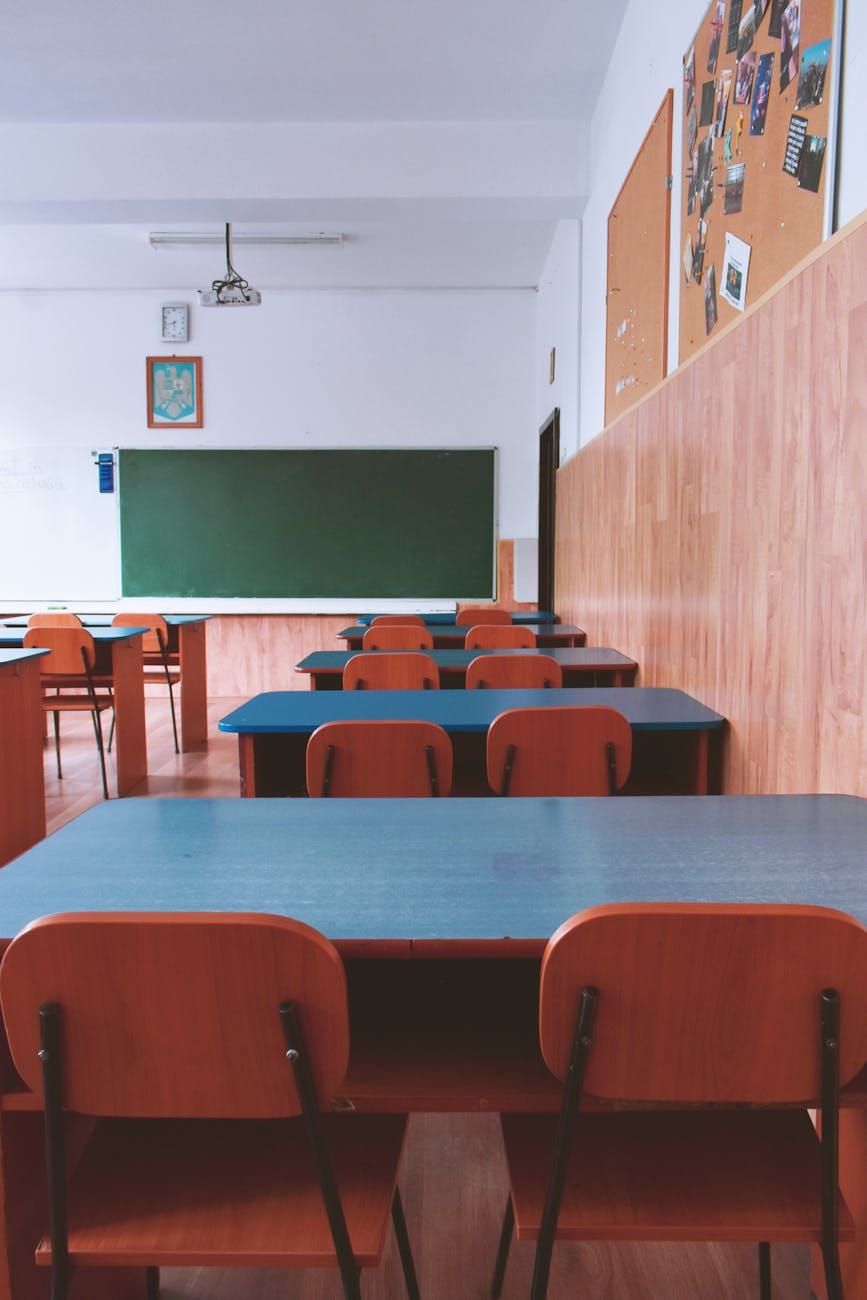
    We practice drills in school—lock downs, tornado, fire—because safety matters. I remember those drills vividly from my own time in elementary school. My experience was never quite like my classmates’.

    During tornado drills, everyone crouched on the floor, arms covering their necks. Me? Still sitting upright in my wheelchair, because that was the safest option we had.

    Fire drills were even more complicated. I remember a specific instance when the alarm went off. No one was sure if it was a drill or the real thing. Elevators can’t be used in an actual fire, but that day, there wasn’t time to debate. A staff member just scooped me up and carried me down three flights of stairs. I sat on the grass outside without my chair until we got the all-clear.

    I applaud that staff member for their quick thinking in getting me out of the building. I also applaud the Annunciation staff. They pulled a student out of his wheelchair and shielded him with their bodies. Those moments were heroic—but they were also unplanned. They happened because people acted on instinct, not because the system had a clear, inclusive plan.

    The Hard Truth: Our Plans Have Gaps

    Yes, emergency procedures can be written into IEPs. Many do. But let’s be honest—you can’t plan for every scenario. Right now, too many schools are failing to plan for some of the most basic ones.

    Here’s the reality for students with disabilities:

    • They may not be able to flatten to the ground during a lock down.
    • They may not move as fast as their peers—or at all—when evacuating.
    • They may not cognitively understand what’s happening in the chaos and could unintentionally move toward danger.

    These are life-or-death gaps. And yet, they’re rarely talked about until tragedy strikes.

    What Minnesota Requires—and Where It Falls Short

    Minnesota law requires schools to have comprehensive emergency plans, and those plans are supposed to include students with disabilities. Best practices suggest:

    • Individual Evacuation Plans for students who need them
    • Accessible alerts for students with hearing or vision impairments
    • Specialized evacuation equipment, like stair chairs

    But in practice, these things don’t always happen. Many schools still:

    • Skip individualized drills because they’re time-consuming
    • Lack staff training for evacuating students with disabilities
    • Depend on instinct in emergencies, instead of clear systems

    That gap between policy and practice is dangerous—and it needs attention now.

    The Bigger Picture: Gun Violence and Safety for All

    I’ve said this before and I’ll say it again:

    • We need common-sense gun reform.
    • We need mental health screenings.
    • We do not need weapons of war on our streets.

    I support the Second Amendment. I support responsible gun ownership. But firearms designed to fire dozens of rounds in seconds have no place in civilian life. They exist for one purpose: destruction.

    Until laws change, we live in a reality where lock down drills and emergency plans are essential. That reality must include every student.

    What Needs to Happen Now

    We can’t just design safety for the majority and leave the minority behind. Here’s what schools should be doing now:

    • Individualized Safety Plans for every student with mobility, sensory, or cognitive disabilities
    • Regular drills that include students with disabilities (not afterthought drills)
    • Evacuation equipment and staff training to make sure no one is left behind
    • Collaboration with first responders so they know how to assist students with disabilities during real emergencies

    Why This Matters

    I hate writing about this. It breaks me to even think about it. But ignoring it won’t make it go away. These conversations matter because too often, we design for the majority and leave the rest to fend for themselves.

    It’s time to change that. Every student deserves a clear, safe path in an emergency. No exceptions.

    We can’t wait for another headline to have this conversation. Start it now—because safety should never be optional.

    What You Can Do Today

    • Ask your school if students with disabilities have individualized safety plans.
    • Talk to your school board about inclusive drills and evacuation equipment.
    • Advocate at the state level for stronger accountability and resources for schools.

    Resources for Parents and Advocates

  • Trapped Without a Voice: Elevator Safety for DeafBlind Residents

    Trapped Without a Voice: Elevator Safety for DeafBlind Residents

    Surley and I had quite the eventful morning.

    We started off with our usual walk through downtown Minneapolis and along the Loring Greenway. It was a beautiful day. We stretched our legs a little further and wandered through Loring Park. It looks strikingly different without the usual Pride festivities filling every inch.

    Then we crossed the Irene Hixon Whitney pedestrian bridge over Interstate I-94, Hennepin Avenue, and Lyndale Avenue. I stopped to snap a picture of Surley, who was looking particularly dashing in the breeze.

    Surley on the bridge.

    We entered the Sculpture Garden after rolling off of the bridge. This brought on a wave of memories. I remembered the time my Aunt Kate took my sister and me there one summer during a visit. She capped the trip off with Sebastian Joe’s ice cream, which triggered an instant craving. Nostalgia always knows where your sweet tooth lives.

    It had been a few years since I’d been there so I looked up the address on their website. I discovered they had affogato on the menu, espresso over ice cream, and that was it. We were going.

    After a few minor detours thanks to road construction in the area, classic Minnesota summer, we made it. I ordered affogato with chocolate peanut butter ice cream. Unexpectedly bold and delightful. Then I spotted the chocolate chip cookies and, well, you know how that goes.

    Chocolate, peanut butter, espresso is a deliciously dangerous combination.

    Cue: emergency mode.

    So there I was cookie in one hand, affogato in the other, soaking in the calm of a summer morning…

    …and then my phone buzzed.

    “help i am stuck in elevator”

    At first I was a little confused. It was random and out of the blue. I sent a follow up message seeking clarification. When I didn’t get a response, I sent another message. After not hearing back for about five minutes, I started to get worried. This was outside of his normal behavior.

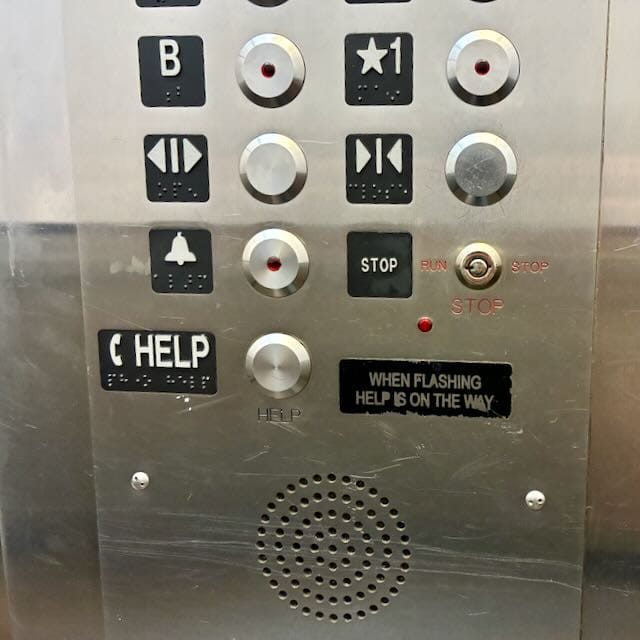
    Jason managed to send another message with a few more details. He was stuck between the basement and first floor of our apartment building, where cell signal was weak. The elevator’s emergency call box was no help—unsurprising, given that he’s Deaf and has low vision.

    He also sent a brief video. From that, I called 911 and explained the situation: a Deaf and low vision person was trapped in an elevator. I let them know the office was closed and no one was answering the phone. Thanks to the video, I could tell the dispatcher exactly which elevator he was in and where it had stopped.

    Quick PSA: Many counties in Minnesota, including Hennepin, support text-to-911. It’s a good choice for folks who can’t speak or hear during emergencies. But not everyone knows it’s available, and it doesn’t always work well underground.

    Once help was on the way, I woke Surley from his nap on the cool tile floor and jogged home.

    Surley napping on the cool tile floor at Sebastian Joe’s.

    Poor Surley, tongue lolling and tail wagging, worked hard to keep pace. He trotted beside me as we walked home at mach 10 like a champ.

    By the time we returned, Jason had just gotten out with help from the fire department. He was headed to the store with a friend. He was okay: hot, sweaty, but safe.

    Afterwards

    Later, we sat down. We talked through everything that had happened. The more I heard, the more disturbing the story became.

    Jason had taken the elevator down to grab some things from his storage unit. When it stopped in the basement, the doors didn’t open. He tried hitting the “door open” button. Nothing. He attempted to go back up to the first floor. He swiped his fob for access to his floor. Still nothing.

    Because of his low vision, he had trouble seeing what floor the elevator thought it was on. There were no audible cues. He pressed the emergency “help” button. He wasn’t sure whether it activated. The indicator was too small and hard to see. He backed up further and got on his knees. Only then was he able to see the blinking red light. He used text-to-speech on his iPhone. He said, “I’m Deaf, stuck in elevator.”

    He also tried live captioning on his phone to transcribe the audio from the speaker. He hoped it would tell him that someone was on the line. No matter where he placed his phone nothing came through clearly enough to be transcribed into words. Even though he is deaf, he can hear static and muffled sounds when using his hearing aids. However, he cannot make out words in detail.

    He stayed surprisingly calm, even though his hands were shaking, which made texting and filming difficult. He immediately noticed somewhat bright yellow light just below the floor display. It was a fire dept override. This reassured him that the fire department was here. It put him at ease that they were working to get him out.

    Eventually, the fire department and an elevator tech arrived and got the doors open. Jason had to step up about a foot to climb out: hot, rattled, and understandably frustrated. But he was, in his own words later, “unfazed.” (Though I think he was being generous with himself.)

    Surley resting in the AC after the day’s events.

    After the dust settled, I spoke with our apartment manager.

    I explained why I called 911. They told me I should’ve left a message on the office line. They assured me they would have responded promptly.

    Now look I get the desire for tenants to follow procedure. But here’s the thing: there was no one in the office. No one answered the phone. The voicemail simply said, “Leave a message for maintenance emergencies.”

    This wasn’t a dripping faucet. A Deaf and low vision resident was stuck in a sealed metal box. There was no clear way for him to call for help. He was starting to overheat. I wasn’t about to wait and hope someone checked their voicemail.

    If I hadn’t answered his text message what would’ve happened? How long would Jason have waited?

    He pushed the “help” button in the elevator. He was using text-to-speech to relay a message. Did the dispatcher realize they were speaking to someone who couldn’t hear them? Was the dispatcher aware of the communication barrier? Did they think it was pressed by accident? Would they have done anything?

    I didn’t want to find out the hard way. So I called 911. And I’d do it again.

    But it raises some real concerns.

    People with disabilities are often left out of emergency planning. Even when the systems are technically in place, they don’t always work when you truly need them. This includes systems like text-to-911 and live captions.

    WWYD (What Would You Do?)

    So, I pose this question to you:

    If you were in my shoes…
    Would you have called 911?
    Would you have left a voicemail and waited?
    Would you have done something else?

    Let me know in the comments. If you live in an apartment building, especially one with older elevators, take a minute. Check what your emergency plan looks like. Talk to your neighbors. Learn your options.

    Because accessibility shouldn’t depend on luck. It shouldn’t hinge on a single person being available to answer a phone. It should be built in — thoughtfully, thoroughly, and proactively.

    Call to Action

    If you didn’t know about text-to-911, now you do. Check your local county’s website to confirm it’s available where you live. Share this post with someone who might not be aware. Accessibility starts with awareness.

    Resources

  • From Poster Child to Invisible Adult

    From Poster Child to Invisible Adult

    Growing Up Disabled in a World Obsessed with Cute

    When I was a kid, people thought I was adorable. I had chubby cheeks, a bright smile, and Cerebral Palsy.

    That last part, my disability, somehow made me even more “inspiring” in the eyes of strangers. I was the kind of kid who showed up in brochures for community events. I got extra attention from teachers and therapists. I drew “Aww”s and “God bless him”s at the grocery store.

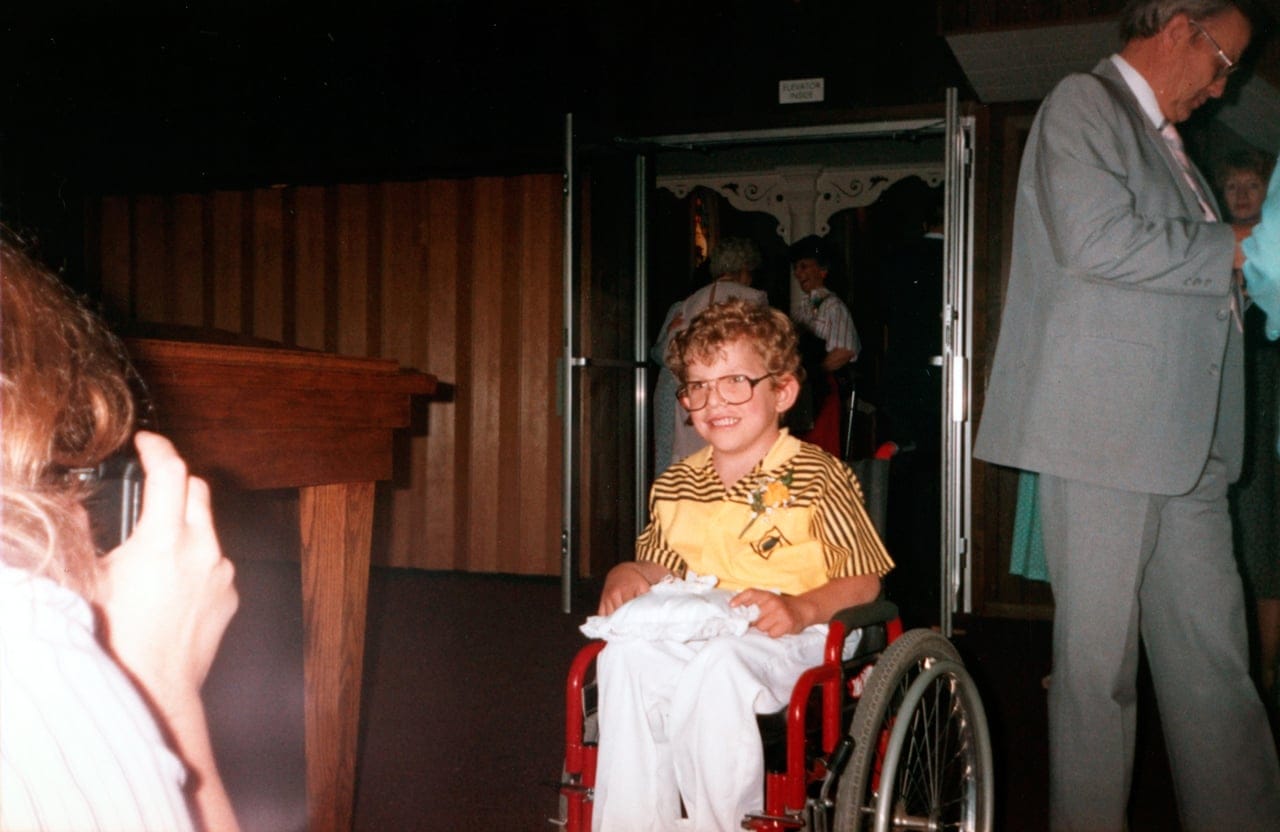
    A young boy with curly hair and large glasses smiling brightly at the camera, wearing a yellow and black striped collared shirt with a yellow boutonnière pinned to it.
    Me at my most joyful—missing teeth, oversized glasses, and a smile bigger than my face. The kind of photo people loved to “aww” over.

    Disabled kids are cute. Society loves a feel-good story, especially one that comes in a pint-sized package with leg braces and a cheeky grin.

    But here’s the thing: I grew up.

    And when I did, the attention disappeared.

    I’m 41 now. Still disabled. Still Cerebral Palsy. Still me. But somewhere along the way, I stopped being cute. And in the eyes of the world, I stopped being seen.

    The same person you saw in the childhood photos. Different glasses, different decade. Same Cerebral Palsy. Same me.

    The “Cute Factor” and Conditional Compassion

    We follow a cultural script with disabled kids. We shower them with support, attention, and affection. This continues as long as they remain children. The moment they grow into adulthood, that same compassion starts to dry up. Public programs disappear. Services shrink. Opportunities narrow. Even social attitudes shift from admiration to discomfort, from celebration to suspicion.

    As a child, I had access to therapies, educational supports, and community resources. There were coordinated efforts to help me grow, thrive, and participate. But as I got older, it felt like the message became: Well, good luck now you are on your own.

    I went from being someone people wanted to help… to someone people tried not to make eye contact with.

    The Adult Disability Cliff

    This isn’t just my story. This situation is a systemic reality known in advocacy circles as the services cliff. The support sharply drops off when a disabled person ages out of pediatric care. It also decreases when they leave school-based programs or children’s nonprofit funding.

    We don’t talk about this enough. Adults with disabilities face higher rates of poverty, unemployment, isolation, and inadequate healthcare. But we rarely make the news unless we’re breaking Paralympic records or fighting for survival in a viral video.

    Why? Because disabled adults don’t make people feel warm and fuzzy in the same way disabled kids do. We complicate the narrative. We ask harder questions. We don’t fit into feel-good stories with easy endings.

    Kids vs. Adults

    As a Child with a DisabilityAs an Adult with a Disability
    School-based physical, occupational, and speech therapyTherapy often not covered or comes with strict insurance limitations
    Individualized Education Plans (IEPs) with legal accountabilityNo IEPs for college or jobs—just ADA “reasonable accommodations”
    Access to special education teachers and support staffLimited access to job coaches; shrinking supported employment resources
    Pediatricians and specialist trained in children with disabilitiesFewer adult physicians familiar with complex disability care
    Early intervention programs (birth–age 3)Virtually no equivalent early adult transition support
    Summer camps, social groups, and extracurricular inclusion programsSocial isolation is common; few adult-focused adaptive recreation spaces
    Case managers to help coordinate servicesAdults often navigate a confusing system alone
    Parent advocates built into the systemAdults are expected to self-advocate
    Medicaid waivers often easier to access for minorsAdult services require complex eligibility and waitlists
    Positive visibility in media and fundraisersAdults rarely portrayed unless overcoming “against all odds”

    The shift is more than inconvenient; it’s structural. We build systems around disabled children to help them grow. Then we tear those systems down just when adulthood starts demanding more from us: jobs, independence, healthcare navigation, stable housing.

    The message? “You’re on your own now.”

    From Three Times a Week to Barely At All

    When I was a kid, I went to physical therapy three times a week.

    I’ll be honest—I wasn’t a huge fan of it at the time. I was a kid. I didn’t want to stretch or do strength exercises. I wanted to be outside or reading or literally anywhere else. But looking back, I realize just how lucky I was.

    Those sessions helped me build strength, coordination, and confidence. They gave me tools to move through the world.

    Now, as an adult? I can count the number of PT sessions I’ve had in the past ten years on both hands.

    It’s not that I stopped needing physical therapy. Cerebral Palsy didn’t magically go away when I turned 18. But getting PT as an adult is a whole different game. There has to be a specific reason or goal that meets insurance criteria. It’s not about maintaining mobility. It’s about justifying the expense.

    Even when you do qualify, you’re often limited to a small number of sessions. Once they’re gone, they’re gone. Never mind if your muscles get tighter again, or if your mobility starts slipping. There’s no regular check-in. No ongoing plan. Just a shrug and off you go.

    I get that insurance companies want to save money. But regular PT for adults isn’t just about recovery it’s about maintenance. It’s about keeping people functioning and independent for as long as possible.

    I’ll be the first to admit it’s not always easy to schedule therapy sessions as an adult. I remember when I was taking classes in Hutchinson. Just finding time between classes and homework to go to PT was a challenge.

    Now, I have to fight for every step literally and figuratively.

    The Economic Angle: Preventative Care Saves Money

    What gets overlooked in all this is how short-sighted the system is. Ongoing PT and accessible health support aren’t just about comfort they’re about prevention. If adults with mobility disabilities had regular maintenance care, many could avoid injuries. Falls, surgeries, and hospital stays could also be avoided later.

    But instead of investing a little now, we let people deteriorate, and then spend far more reacting to preventable problems. It’s penny-wise and pound-foolish. And people like me pay the price with our bodies.

    The Emotional Cost: Losing Visibility

    There’s a strange grief in realizing you once mattered more to the world.

    As a child, I had a whole team cheering me on therapists, teachers, volunteers, neighbors. Now, I’m often just trying to prove I deserve the bare minimum. It’s not just about services. It’s about dignity. About being seen.

    When I was younger, people called me brave. Now, they call me an expense.

    Still Here. Still Worthy.

    I’ve included a photos. Me as a child, me as an adult. The disability in both pictures is the same. The person? Still me.

    But the world doesn’t treat those two versions of me the same way.

    This isn’t a plea for pity or applause. It’s a call to remember that disabled children become disabled adults. We don’t stop needing support, visibility, and respect just because we’ve aged out of a marketing campaign.

    The cute kid didn’t disappear. He just grew up.

    And he still matters.

  • More Than Qualified, Still Overlooked: One Disabled Worker’s Truth

    The Harsh Reality of Disability and Employment

    Finding a job is hard. Finding one as a person with a disability? Often twice as hard—and half as fair.

    Despite decades of progress, people with disabilities still face enormous hurdles in the workforce. From inaccessible interviews to discrimination that’s harder to prove than to feel, the disability employment gap remains stubbornly wide. As of 2024, only about 22.5% of people with disabilities are employed, compared to 65.8% of non-disabled people, according to the U.S. Bureau of Labor Statistics. And now, with looming threats to Social Security programs, the urgency to find stable, fulfilling work is greater than ever.

    Balancing Purpose and Pay

    I have been looking for more financially stable work for quite some time. I love what I do right now. However, I need something more reliable regarding the amount of money I can bring in.

    I am also looking for jobs that will feed my soul. They should not drain my emotional and physical energy. I know that might seem like taking the easy way out. Throughout my life, I’ve learned that being in draining positions harms my overall well-being.

    Many people with disabilities face the same struggle. They try to balance physical or mental health needs with the demand for financial stability. It’s not just about wanting a job. It’s about finding one that doesn’t push you past your limits.

    A 2022 study by Accenture found a significant correlation. Companies that embraced disability inclusion were twice as likely to outperform their peers in profitability. They also had improved productivity. Yet, many of us never get the chance to show what we can do.

    Living on the Edge of Uncertainty

    I am in a rather unique situation. I do receive SSDI. This allows me to be more selective about the work I do. I am also aware of the changes the current administration is trying to make to Social Security.

    You should look for alternate sources of income. This is important in case there is a stoppage in the SSDI checks you receive. According to the Social Security Administration’s 2024 Trustees Report, the trust fund is projected to be depleted by 2033. Reforms are necessary to avoid depletion.

    The Job Search: A Loop of Silence and Rejection

    In the past six months, I have submitted countless applications. Most of the time, I don’t hear anything back. Then there are rare instances where I get to interview. I don’t know if I suck at the interview process. I don’t know if it’s because I am a wheelchair user. Maybe it’s because I have a service dog. Usually, after that first interview, I get the dreaded response. It says: “After careful consideration, we have decided to move forward with other candidates.” Their experience more closely aligns with our current needs.

    Statistically, this kind of experience isn’t unusual. According to the National Organization on Disability, many employers still have biases. They also have inaccessible workplaces and a lack of inclusive practices. These conditions make it harder for disabled applicants to be hired or promoted. These invisible barriers reinforce the frustrating reality many disabled job seekers face. You can be qualified, capable, and enthusiastic. Yet, you might still be overlooked.

    My Work History: Then and Now

    I have been working on and off since I was 14 years old. During the summer of 1998, I had my first taste of what a job would be like. I was taking summer classes in the Twin Cities thanks to the generosity of my aunts. They had an amazing friend who worked as a head chef at a hotel near the airport. They were willing to give me a chance at what I can now only describe as something of an internship. Arrangements had been made for me to “work” one day a week. Despite this, I still had to interview with the head chef. I was scared and nervous and excited all at the same time.

    My first official summer job was at the Swift County Recorder’s Office in the summer of 2000. It was an exciting experience, even though the job was simple: scanning documents to be digitized. It gave me more responsibility and a little bit of spending money. I worked so much that I burned through the allotted funds that paid my wages. The following summer, I had a similar job with the county’s Soil and Water Conservation Office. Again, it was a simple job but taught me a lot about responsibility.

    These early jobs weren’t glamorous, but they helped shape my work ethic. I was learning to navigate a world. This world was not designed with me in mind, like it wasn’t for many other young adults with disabilities. According to the National Organization on Disability, workplace biases persist. Inaccessible environments remain. Additionally, a lack of inclusive practices continues to be a major roadblock to employment for disabled individuals.

    Campus Jobs, First Steps, and New Lessons

    The summer after my senior year of high school, I didn’t work. Not because I couldn’t get a job, but because I wanted one last summer of freedom before college. During college, I held a few on-campus jobs. While living in Hutchinson, I worked part-time as a tutor. To be honest, I don’t even remember what subject I tutored. However, I do remember getting a letter from the county about not reporting the $65 I earned. I had no idea I needed to at the time.

    At Augsburg, I had a variety of jobs. I helped the campus LGBTQ+ organization with their website and digital advertising. I was also a tour guide for the admissions office. My focus was often giving tours to prospective students with mobility challenges.

    A Decade of Retail—and Then, the Curtain Closed

    After graduation, I was fortunate to land a temp job with a downtown Minneapolis staffing agency. I was surprised they hired me, but I guess when you’re a temp, they take whoever they can get. That role lasted about eight months, and then I was unemployed again. I submitted many applications back then. It felt like a lot. I rarely heard anything back.

    Eventually, I applied at Best Buy. They had a location at the Mall of America. It was easy for me to get to. I’d never worked retail in my life and barely shopped at Best Buy before. I remember the hiring process. There was a phone interview. Then there was a group interview (my first ever). I felt completely out of place during it. I didn’t say much because I didn’t know what to say. Somehow, I said enough to move on to the final interview and land the job.

    Originally, it was supposed to be a seasonal role, but they decided to keep me on part-time after the holidays. I continued working at Best Buy for nearly 10 years. Over time, I shifted into different departments and eventually landed a full-time position. It was nice having PTO and a consistent paycheck.

    Unfortunately, it wasn’t meant to last. In the summer of 2018, Best Buy closed that location. I considered applying to the nearby Richfield store and even had a few interviews there, but it felt different. They seemed more hesitant to hire someone with my “unique abilities.” It didn’t work out, but I received a decent severance package and took a much-needed three-month break.

    That hesitation? It mirrors what many disabled workers experience. Too many hiring processes contain a subtle skepticism. There’s a belief that accommodating a disabled employee is more trouble than it’s worth. But data and my own personal experience contradicts that. Studies show that providing accommodations often costs less than $500, and the long-term benefits—employee retention, morale, and diversity—are invaluable.

    I did a training video in 2017 while I was with Best Buy on this exact issue. My general manager and I were featured in a video about workplace accessibility. The video highlighted how simple accommodations can make a huge difference in supporting disabled employees. These include clear communication, flexibility, and simple adjustments to schedules and the layout of an eight-foot section. For example, the management made the point-of-sale terminal more accessible. This change helped me ring out customers in my department.

    All they had to do was remove a section of shelving to lower the register. It didn’t just work for me—it worked for everyone. While the video is now unlisted, it remains one of the proudest accomplishments of my time there and is still featured on my LinkedIn profile as a reminder of what true inclusion can look like in action

    Where I Am Now—and Where I Want to Go

    In the fall of 2018, I landed my current role at U.S. Bank Stadium. I love the staff I work with—it’s a great environment. Things have changed a lot since returning post-COVID, but I don’t see myself leaving anytime soon. That said, hours have been very limited since the pandemic. I need something that provides more financial stability.

    In 2021, I met Amy B., a personal trainer specializing in inclusive fitness. She created Fit with Amy B to provide training for people of all abilities. I improved my own health through her program. She also brought me on to help behind the scenes making everything run smoothly. She saw the benefit of having people with disabilities not only workout with her. They also worked with her to bring greater awareness to healthy living, regardless of your abilities. I truly loved what I did for Amy. I have yet to find another job that offered the same level of flexibility. It also provided fulfillment.

    Unfortunately, SSDI barely covers my monthly expenses. It doesn’t give me the flexibility to do the things I enjoy, like traveling or going out with friends. Living on a fixed income can be incredibly limiting.

    According to the National Organization on Disability, many people with disabilities face financial insecurity. They also encounter systemic bias and physical barriers. These obstacles prevent equal access to job opportunities.

    And yet, studies by Accenture show that companies prioritizing disability inclusion perform well. They are also twice as likely to be innovative.

    The Bigger Picture: You’re Not Just Hearing My Story

    This isn’t just my story. It’s the story of many people in the disability community. They want to work. They are ready to work. They constantly run into walls—both visible and invisible. It’s time to break those walls down.

    Call to Action

    We need employers, policymakers, and communities to step up. Employers must rethink hiring practices to eliminate bias and prioritize inclusion. Lawmakers need to protect Social Security and invest in programs that support people with disabilities, not strip them away. And for those reading this: listen to our stories. Share them. Advocate for change. Because no one should be shut out of opportunity simply because society hasn’t caught up to our potential.


    Sources:

  • The Cost of Loyalty: What It Takes to Be a Season Ticket Holder

    The Cost of Loyalty: What It Takes to Be a Season Ticket Holder

    I wasn’t planning to write this today. I sit here and look out at the dreary Minnesota sky. I know there’s a significant chance I won’t attend tonight’s Minnesota United FC match. I felt like I needed to put some thoughts down.

    Quick note: I’m part of AccessiLoons—Minnesota United FC’s first and only supporter group focused on accessibility and inclusion. However, everything I share here is based on my personal experience. It doesn’t reflect the views of the group.

    This will be the second game I’ve missed this season—and not because I’ve lost interest or stopped caring. Far from it. I’ve been a season ticket holder since 2015. That was long before the team joined MLS and before Allianz Field was even a blueprint. Supporting this team has been one of the most consistent and joyful parts of my life.

    But tonight, like many nights, I’m forced to weigh the realities of being a fan with a disability. The weather is cold, windy, and there’s a chance of rain or snow. And rain and power chairs don’t mix well.

    After last weekend’s afternoon match, my wheelchair started to malfunction on the way home. Thankfully, I made it back safely and the issue didn’t repeat itself—but moments like that stick with you.

    Every time I head out in this type of weather, there’s that voice in the back of my mind:

    • “Is my chair going to malfunction again?”
    • “Will I get stranded somewhere?”
    • “What do I do if something goes wrong?”

    It makes you cautious at times about leaving the house.

    This post isn’t just about one missed game. It’s about what it really takes to be a loyal fan in 2025—financially, physically, and emotionally.

    When Passion Meets Practicality

    I’ve always budgeted for my season tickets. When I was working full time, the yearly price increases didn’t hit as hard. Even during the pandemic, I had enough money coming in to keep my seats. Soccer was one of the few constants during an unpredictable time.

    But when the world reopened, my income didn’t bounce back as ticket prices continued to rise. Something that once felt like a justifiable splurge now feels like a financial stretch.

    Still, giving them up feels impossible. Supporting this team is part of my identity. It’s how I connect with friends. It’s where I feel community. But loyalty, especially on a fixed or limited income, comes with a price—and that price keeps going up.

    Accessibility Isn’t Just About Seats

    Being a fan with a disability adds another layer to all of this.

    Sometimes, I simply can’t attend—even when I want to. The home opener in March is always a weather gamble, and this year was no exception. That was in the evening—and I had just worked an afternoon shift at U.S. Bank Stadium. I was already cold and running low on energy. I didn’t know if I had the stamina—or the body regulation—to sit through the full match.

    As someone with limited mobility, I can’t generate much body heat. Once the sun goes down, so does the temperature—and so does my ability to safely enjoy the game.

    I made it to the match the weekend before because it was an early afternoon kickoff. It was still cold, but the sun made it manageable. That little bit of warmth made all the difference.

    And then after the issues with my wheelchair after last weeks game there’s the added layer of equipment concerns. It was enough to shake my confidence. Now, every time I head out , I have to ask:

    • What if my chair stops working?
    • What if I get stuck far from home?
    • Who do I call?
    • Will anyone be able to help?

    That kind of risk doesn’t factor into most fans’ decisions to attend a match. For disabled fans, it’s part of the mental math every single time.

    To be clear, many of these challenges aren’t unique to Minnesota United or Allianz Field. The stadium staff has generally been supportive, and there are accessible features in place. But even well-designed venues can fall short when the full spectrum of disability isn’t considered. These issues show up in stadiums across the country—and they’re often invisible to those who don’t live with them.

    Some of the most common barriers disabled fans face include:

    • Cold or extreme temperatures that are dangerous for fans with mobility or circulation limitations.
    • The distances from parking or public transit stops are long. They can feel like a marathon for those with fatigue. This is also true for those with chronic pain.
    • Crowded concourses and bottlenecks that create safety issues for wheelchair users and others needing space.
    • Ticket policies with little flexibility, even when health issues make last-minute changes necessary.
    • Energy management challenges—sometimes, it’s not about willpower. It’s about knowing your body has limits.

    The Marketplace Problem

    When I can’t attend, I turn to the SeatGeek Marketplace to resell my tickets. But that experience isn’t fan-friendly either.

    I need to list the tickets above face value to cover SeatGeek’s 10% seller fee. This is necessary to just break even. On top of that, buyers are charged another 10% fee. That’s a 20% markup just for a resale—not to make a profit, just to avoid losing money. And guess what? Most people won’t pay that.

    So now, I’m out the money, and I missed the game. It adds insult to injury.

    Lately, I’ve found myself quietly wondering what the future holds. I’m not ready to give up my season ticket membership yet. However, I’m starting to reevaluate things. The rising costs, the physical strain, the uncertainty that comes with each game—it all adds up.

    At some point, I may have to ask myself whether this version of loyalty is still sustainable for me. I love this team. I’m not going anywhere as a supporter. However, being a season ticket holder might look different down the road.

    Let’s Do Better—for All Fans

    If you work for a team, a supporter group, or even a ticketing platform, ask yourself a question. What are you doing to make sure disabled fans are fully included?

    Accessibility isn’t just about wheelchair spaces or ADA check boxes. It’s about understanding the full picture. This includes weather risks, energy limits, and malfunctioning mobility equipment. Resale policies also matter. Then, there is the emotional toll of being excluded from something you love.

    If you’re not thinking about all types of access, you’re leaving people behind.