Tag: Social Commentary

Observations and opinions on culture, society, and the world beyond disability — with a disability lens always somewhere in the frame.

  • Why Can’t Pants Just Fit?

    Why Can’t Pants Just Fit?

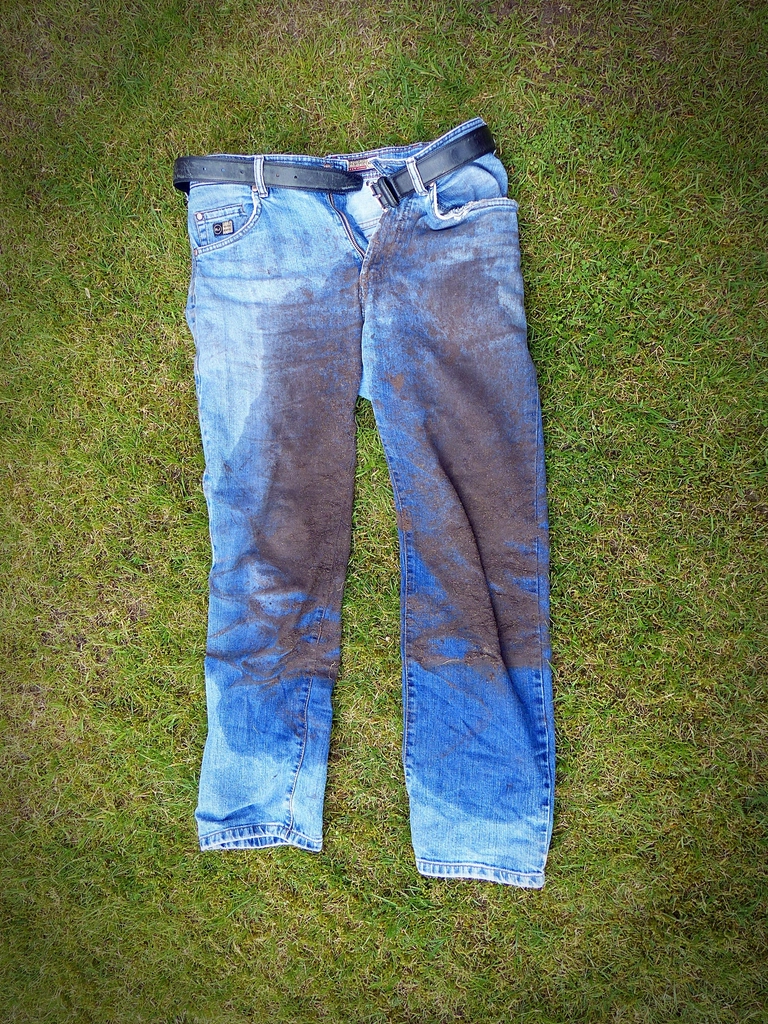
    Let me set the scene. I am in the bathroom, getting ready to do what one does in the bathroom, and I go to pull down my pants. Except I don’t really pull them down. They just slide. Right off my hips, no effort required, like they were waiting for an excuse.

    My first thought was that I had grabbed a pair that were too big. It happens. I lost a significant amount of weight a few years ago and had to size down, and some of my older pairs are still floating around in the rotation. But no. I checked. Same size as my newer pairs.

    Which brings me to a question I have been asking for years: why can’t a size just be a size?


    Here is the thing about my wardrobe

    Most of my clothes come from the boys department.

    My shirts and pants, mostly from Target. My underwear, from JCPenney. A few adult shirts here and there, but adult sizing tends to run big and boxy, or long in the body and the leg, and none of that works great when you spend your day in a wheelchair. Boys sizing fits my body better, and there are real reasons for that.

    I am not especially tall, and I have a slim waist. My hips are another story: cerebral palsy has affected my hip joints over the years, and that has shaped my proportions in ways that make standard adult sizing a poor match. I also prefer shirts that hit just below the waist or near the hips, which makes dressing easier day to day. Adult cuts tend to be too long, too wide through the chest, or both. Boys sizing, more often than not, actually fits.

    I want to be clear about something, because I know where some people’s minds go when they hear that. Shopping in the boys department does not make me childish. It does not make me immature. It means I found clothing that fits my body, which is the entire point of clothing.

    Most of what I wear, you would never clock as coming from the boys section. A plain tee is a plain tee. A pair of jeans is a pair of jeans. Do I have a few shirts with something a little more fun on them? Sure. But the majority of my wardrobe could pass in either direction without anyone batting an eye.

    I am just a person wearing clothes that fit. Novel concept.


    So about that sizing problem

    Here is where it gets frustrating. Boys sizing runs differently than adult sizing, and I have made my peace with navigating both. What I have not made my peace with is that boys sizing is not even consistent with itself.

    A boys size 18 is a youth size, not an adult one. But that number does not mean the same thing from one brand to the next. I actually keep a reference chart just to keep track, not because I enjoy doing extra homework before buying a pair of pants, but because the numbers mean so little on their own that I genuinely need it. A boys size 18 at Target fits differently than a boys size 18 at JCPenney. Same number, two different brands, two different fits. And that is before you factor in that sizing can shift within the same brand from one year to the next.

    The number on the tag is not a measurement. It is a suggestion. A rough estimate. A vibe.

    If I buy a size, that number should reflect an actual measurement. The same measurement, every brand, every year. The fact that it does not is not just inconvenient. For a lot of people, it means clothes that do not fit, returns that are a hassle, and a shopping experience that already takes more effort than it should.


    And it is not just pants

    For a long time, shoes were their own separate nightmare.

    I wore AFOs for years. AFOs, or ankle-foot orthoses, are rigid braces that support the foot and ankle and are commonly used by people with conditions like cerebral palsy. They slip inside your shoe, which means your shoe has to be big enough to accommodate both your foot and the brace. My true foot size is a men’s 8. But for most of the years I wore AFOs, I was buying a men’s size 10 just to make them work. The last pair that actually fit over my braces were a pair of Doc Martens at a size 10. They did the job, but finding them was not easy, and shoe shopping was never simple.

    I stopped wearing AFOs a few years ago. That is when I found out what size my feet actually are.

    There is another wrinkle worth mentioning. Because of my cerebral palsy and the fact that I do not bear weight the way most people do, unless I am in the middle of a transfer, my feet do not sit flat. That makes it difficult to get an accurate measurement in the first place, which adds yet another layer to an already complicated process.

    Eventually I found Billy Footwear, and things got a lot better. Billy’s designs shoes that zip open fully around the sides, making them genuinely easier to put on for people with a wide range of mobility needs. For the first time, I was buying shoes in a size that actually reflected my feet, not my braces, not a workaround. I receive no compensation from Billy Footwear. I just think they are worth knowing about.

    But the point is: I spent years buying shoes two sizes too big because the alternative was not having shoes that worked. That is not a sizing inconsistency problem in the same way pants are. That is a whole different failure of the system. And it is exhausting to navigate both at once.


    For wheelchair users, the stakes are a little higher

    Back to those pants sliding off my hips in the bathroom.

    That moment was funny, in the way that a lot of disability moments are funny when you are not in the middle of a transfer. But it is also not nothing.

    I cannot count the number of times I have been mid-transfer into my chair and had to stop and readjust because my pants had slid down. Transfers require focus and coordination. Having to pause and hike your pants back up in the middle of one is not just annoying. It is a real disruption, and depending on the situation, it can affect your safety and your dignity.

    I could wear a belt every day. Sure. Except a belt is not just something I forgot to grab. It is time and energy, and when you are a wheelchair user who needs to get to the bathroom in a hurry, that time and energy is not always available. A belt between you and the bathroom can be the difference between making it and not making it. That is not a minor inconvenience. That is a real problem.

    Here is the thing, though. Most of my pants, because they come from the boys department, are either pull-on or they fasten with snaps rather than the buttons and zippers you find on adult men’s pants. That actually works in my favor. Both Target and JCPenney carry adaptive clothing lines, and I have tried a few things from each. But for my needs, regular boys department basics do the job just as well, often with the same easy-access features that adaptive clothing is designed around, and without the premium price tag. The boys department accidentally solved a problem the adaptive clothing industry charges extra to address.

    Which makes the sizing inconsistency even more frustrating. When you find a department that fits your body, fits your budget, and happens to have features that make your daily life easier, you want to be able to rely on it. A boys size 18 should mean the same thing every time. It does not. And that matters.


    A size should be a size. Every brand. Every year. Every time. It is not a complicated request. It just, apparently, is not how the industry works.

    And until it does, I will be in the boys department at Target, checking the tag on every pair of pants, and hoping for the best.

    Does inconsistent clothing sizing affect how you shop? I would love to hear how other wheelchair users and disabled folks navigate this, whether it is keeping your own reference chart, finding brands that actually work, or something else entirely. Drop a comment below.

  • You Only See a Snapshot: That’s Not Enough to Judge

    You Only See a Snapshot: That’s Not Enough to Judge

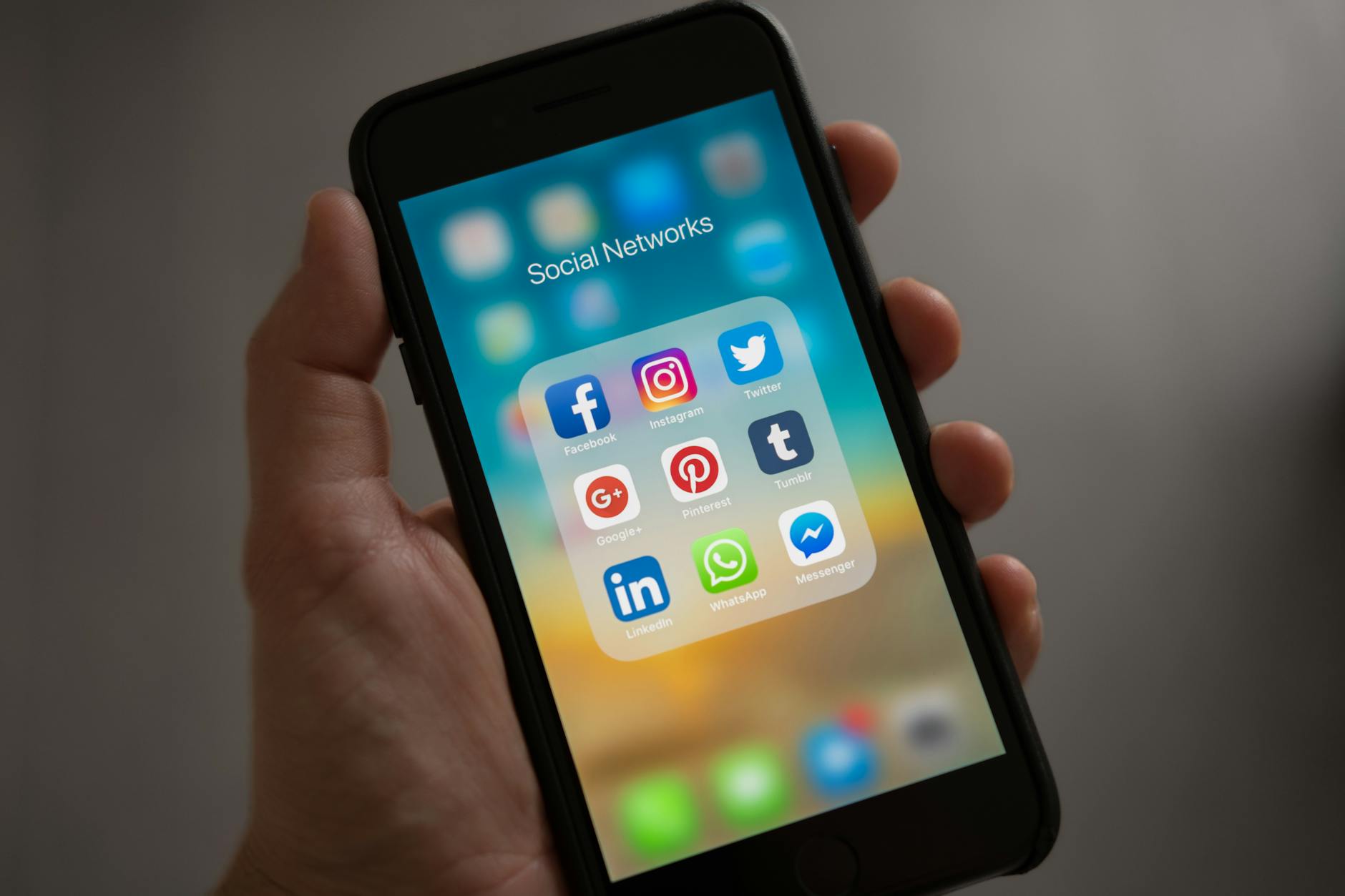
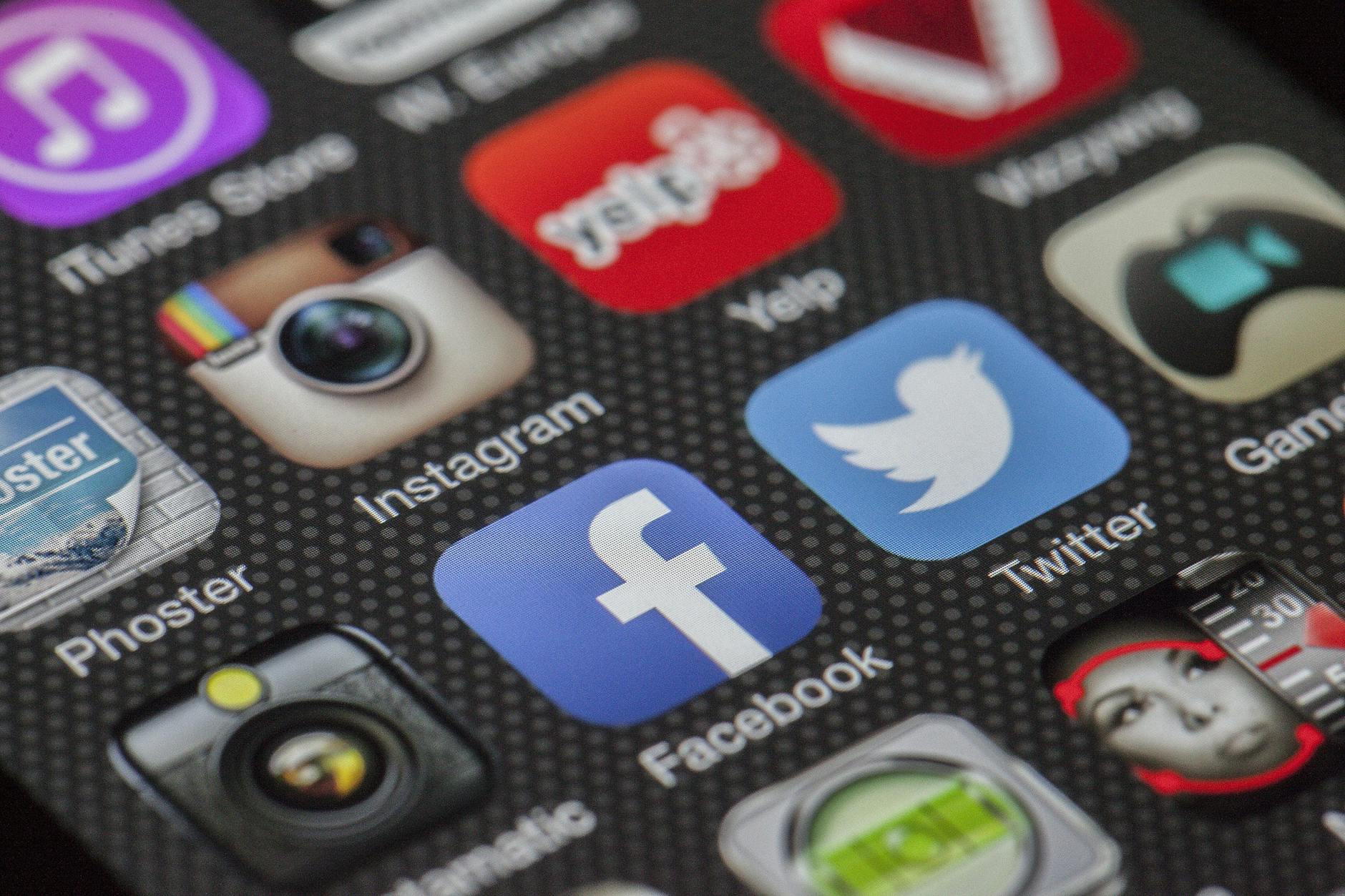
    Scroll through Facebook on any given day and you’ll find it: a parent sharing a moment with their child, and buried in the comments, a pile-on. Someone calling them lazy. Someone asking why they haven’t “fixed” it yet. Someone offering unsolicited advice wrapped in thinly veiled judgment.

    It happens constantly in disability parenting spaces. And it needs to stop.


    The People I Follow And Why This Matters to Me

    I want to be clear upfront: I follow a lot of autistic people and autism families on Facebook, and I do it because they’re genuinely worth following. The autistic people I know personally are cool, funny, thoughtful, and totally normal.

    They are just navigating a world that wasn’t really designed with them in mind. The families I follow online are doing the same: showing up every day for their kids, sharing the good moments and the hard ones, and being more honest about their lives than most people are willing to be.

    Some of those families have kids with severe autism. And some of those kids are in diapers or pull-ups. When I see that, I don’t see failure. I see a family that’s figured out what works.

    When strangers on the internet see it, sometimes the reaction is very different.

    What People Don’t Understand About Severe Autism and Potty Training

    Potty training isn’t just about learning a habit. It involves sensory awareness, the ability to recognize and interpret body signals, motor coordination, communication, and the executive function to stop what you’re doing and act on that signal in time. For kids with severe autism, any or all of those pieces may be genuinely, neurologically difficult, not because no one tried, but because the wiring works differently.

    For some kids, traditional potty training isn’t a realistic goal at least not on anyone else’s timeline, and maybe not ever in the conventional sense. Pull-ups and diapers in those cases aren’t a sign that parents gave up.

    They’re often the result of years of trying, working with therapists, adjusting approaches, and ultimately landing on what actually preserves the child’s dignity and the family’s ability to function.

    When someone fires off “have you even tried potty training them?” in the comments. They’re not helping. They’re showing how little they understand about what that family has already been through.

    Pull-ups and diapers aren’t a sign that parents gave up. They’re often the result of years of trying, working with therapists, and ultimately landing on what actually works.

    I Have Some Skin in This Game, Too

    I’m not writing this from the outside looking in. I have cerebral palsy. CP affects muscle coordination and spasticity throughout the body, and for me, that includes my bladder.

    What that looks like in real life: there’s sometimes no gradual warning. One moment everything is fine. The next, my bladder is spasming and I have a very short window, sometimes no window, to get to a bathroom. It’s not a matter of planning better or paying more attention.

    That’s just how spasticity works.

    So yes, I use pull-ups. It’s practical. It’s smart. I’ve made my peace with it and I truly don’t care what anyone thinks.

    I’m sharing this not to make the post about me, but because I want to be honest: I understand something about making practical choices around a body that doesn’t always cooperate. And I understand what it feels like to have those choices be nobody’s business but your own.

    You’re Only Seeing a Snapshot

    Social media gives you a moment. One frame from a film that’s been running for years.

    You don’t see the context. You don’t see what was tried before. You don’t see the appointments, the therapy sessions, the late-night research, the hard conversations, the small victories that don’t look like anything to the outside world but meant everything to that family. You don’t see the grief, or the resilience, or the way a parent has quietly rewritten their definition of progress a hundred times over.

    What you see is one post. One photo. One moment.

    And yet that’s enough for some people to render a verdict.

    What to Do Instead

    This isn’t complicated. It just takes some intentional effort:

    • Pause before commenting. Ask yourself: does this person need my input, or did they just share something from their life?
    • Ask instead of assuming. If you genuinely don’t understand something, curiosity is more useful than criticism.
    • Believe people when they say something is hard. You don’t have to fully understand a situation to respect that someone is doing their best in it.
    • Amplify instead of critique. If you see a disability parent or a disabled person sharing their reality honestly, share it. Normalize it. Help build a space where people feel safe being real.

    The World Could Use More of This

    My original thought was simple: if there were more people willing to support instead of judge, the internet — and honestly, the world — would be a better place.

    I still believe that. Disability doesn’t come with a handbook, and every family’s path — every person’s path — looks different. The least we can do is show up with some grace for the moments we don’t fully understand.

    You only see a snapshot. Make sure the story you’re telling yourself about it is worth telling.


    Written by someone who knows this isn’t theoretical. 💙

  • Training for a New Winter Olympic Game (Apparently)

    Training for a New Winter Olympic Game (Apparently)

    Winter has officially came back to Minnesota which means one thing: absolutely nothing is predictable.

    This morning, I confidently took the dog down the driveway for his usual morning bathroom break. The descent? Smooth. Controlled. Graceful, even. I briefly considered that I might have a future in the Winter Games.

    The return trip, however, was less inspirational documentary and more blooper reel.

    Halfway up the hill, my wheelchair wheels began spinning with great enthusiasm and zero productivity. Snow spraying. No traction. Dog already finished with his event and waiting at the top like an unimpressed judge.

    In that moment, it felt like I was personally qualifying for the uphill event at Winter Games in Milano-Cortina.

    However, instead of international glory, I was competing against three inches of fresh Minnesota chaos.

    The thing about winter here is that it doesn’t gently arrive. It shows up overnight, rearranges your plans, and turns a simple dog outing into an endurance sport.

    In hindsight, I could have waited until the snow stopped.
    I could have waited for the hill to be cleared.

    But where’s the Olympic spirit in that?

    Gold medal in effort.
    Silver in spinning.
    Bronze in decision-making.

    And it’s only February.

  • Dempsey: Where It All Began

    Dempsey: Where It All Began

    Wow, it’s been eight years since I met you.

    Some days it only feels like yesterday. It’s strange how certain moments stay so sharp in your mind. Moments you won’t ever forget. Even if you forget the exact date once in a while, you never forget the feeling of it.

    Meeting you was that moment for me.

    I was nervous. I was excited. I was scared. I didn’t know what the hell I was doing. I didn’t know what I didn’t know. You knew a lot more than I did. You already came pre-programmed. I had to learn what you knew. I had to unlearn what I thought I understood about dog behavior.

    Before you, dogs were companions. Pets. Family. But you were something different. You were a partner. You had a job. And stepping into life with you meant stepping into something much bigger than I had imagined.

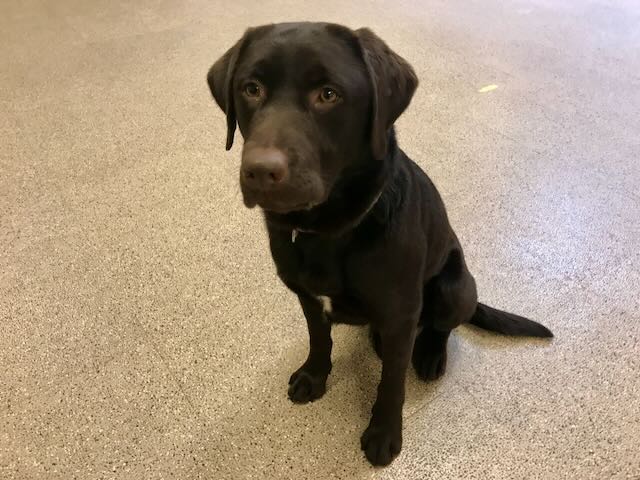
    Dempsey was a silly chocolate lab with boundless energy. The kind of energy that filled a room before he even fully walked into it. He was mischievous in that clever, always-thinking kind of way. When he played, he played loud. Vocal. Dramatic. Fully committed. There was no halfway with you. Everything was big.

    But when it came time to work, you were ready.

    When you first came to live with me, I remember sitting down. I read through the notes from your trainers, your foster family, and even the prison inmates who helped train you. I wanted to know everything about the dog standing in my living room. Who you were before you were mine.

    One comment has stayed with me all these years. An inmate wrote that you were eager to work. That you were ready. That you found repetition boring. You didn’t want to keep practicing the job. You wanted to go out and do the job you were meant to do.

    That didn’t surprise me.

    You were never content just going through the motions. You wanted real life. Real challenges. You faced challenges while working at the largest mall in America. There were lights, crowds, and noise everywhere.

    Or you traveled on an Amtrak train eight hours to Chicago. This was less than three weeks after moving into my home. Three weeks. Most dogs are still figuring out where the water bowl is. And there you were, settling at my feet on a moving train like it was exactly where you belonged.

    Meanwhile, I was still figuring out how to hold your leash without feeling like the entire world was watching me.

    You understood your job. I was still trying to understand mine.

    I had to learn how to trust you. Really trust you. I had to learn how to advocate for you. I had to learn how to take up space in public without apologizing for it. Trusting you meant admitting I needed help. And that was something I hadn’t fully made peace with yet.

    You pushed me ahead simply by being ready. When I would have stayed home, you were eager to go. When I doubted whether I could handle something, you stood steady beside me like you already knew we could. Your energy didn’t just make you a good service dog—it made me braver.

    You weren’t perfect. You were goofy. You got into things. You made me laugh at the worst possible times. But that was part of your magic. You reminded me that partnership didn’t have to be heavy all the time. There was room for joy. Room for chaos. Room for silliness—even in a life that required so much seriousness.

    That first meeting in 2018 didn’t just introduce me to my first service dog. It reshaped the direction of my life. It changed how I see disability. It changed how I move through the world. It changed what I believe I’m capable of.

    Maybe one of the greatest gifts you gave me wasn’t fully understood until after you were gone. It became clear to me later.

    Can Do Canines often says, “Our dogs fetch amazing things.” After everything we experienced together, that line felt deeper. It made me think about the places we went, the fears we faced, the things I once thought were impossible.

    So I had these words tattooed on my arm along with your paw print after you passed:

    Together we did amazing things.

    And we did.

    We did things I never thought I could do.
    We did things I was scared to do.
    We stepped into spaces that once felt overwhelming and made them ours.
    But we did it together.

    You were always on my right side.
    And in many ways, you still are.
    Working with you made me a better dog dad.

    Not just to you—but now to Surley.

    You two could not be more different. You were a chocolate lab—energetic, chaotic, vocal when playing. Big personality. Big presence.

    Surley is a yellow lab with a completely different rhythm. He’s calmer. Quieter. A little more sensitive. Where you barreled ahead, he reads the room. Where you demanded engagement, he offers steady presence.

    At first, that difference took adjustment.

    After years of your intensity and eagerness, learning Surley’s softer cues meant slowing down. Paying closer attention. Meeting him where he is instead of expecting what I was used to.

    But I wasn’t starting from scratch this time.

    You had already taught me how to listen. How to watch. How to respect that every working dog is still an individual first. You showed me that partnership isn’t about molding a dog into a standard. It’s about understanding who they already are. From there, you build trust.

    Because of you, I advocate better. I communicate better. I balance structure with play. I know that behind the red cape is still a dog. This dog needs joy, decompression, and room to just be themselves.

    Surley benefits from the lessons you taught me.

    And in that way, your impact didn’t end three years ago. It’s still here. It’s shaping how I lead and shaping how I love. It’s still walking beside me just in a different form.

    Eight years ago, you were ready to do the job you were meant to do.

    You helped me become ready, too.

    And for that, for you, I will always be grateful.


    Levi wearing a gray Minnesota United FC hat and yellow shirt, hugging his chocolate Labrador service dog, Dempsey, outdoors with a green background.
    Levi and his service dog, Dempsey, sharing a happy moment outdoors.

    In memory of Dempsey — my first partner, my brave beginning.

  • When Social Media Was Different

    When Social Media Was Different

    Social media has changed, and not for the better.

    With everything going on in the world right now, I have been thinking a lot about social media. I have been reflecting on what it was meant to be and what it has become..

    What It Was

    I joined Facebook in 2005. Back then, it served a clear purpose. It helped people stay connected as life pulled them in different directions. You shared photos, updates, and small moments without turning every post into a declaration or a fight.

    As more people I knew joined, it worked even better. Friends, family, coworkers. It did what it promised.

    When pages were introduced, it felt like real progress. People shared lived experiences and built community. I follow pages related to autism, type one diabetes, and hearing loss. I have learned about conditions like Sanfilippo syndrome from families living it every day.

    That kind of sharing still matters. It educates, builds awareness, and creates connection. It is one of the few reasons I have not walked away entirely.

    When Thoughtfulness Slipped

    Somewhere along the way, thoughtfulness started to fade.

    Social media began rewarding quick reactions instead of reflection. If you feel something, you post it. If you disagree, you respond immediately, often without pause.

    Context is lost. Curiosity disappears.

    I am not immune to this. I have reacted in the moment and regretted it later. Words still have consequences, even online.

    Or at least, they should.

    Too often now, restraint is missing. The screen creates distance, and with it, a loss of basic courtesy. In a world already tense and divided, that lack of care only deepens the divide.

    Outrage moves faster than understanding. Certainty is amplified. Nuance struggles to survive.

    Choosing Silence Intentionally

    I have learned to keep many of my thoughts to myself, especially around current events or politics. When I do post, it is usually to highlight something meaningful within the disability community.

    I stay quiet not because I lack opinions, but because thoughtful positions rarely translate well online. Context gets flattened. Intent gets misread. Careful words are easily twisted.

    The people who know me understand this. Online, that understanding is often absent.

    And that choice comes with trade-offs.

    What I Miss

    I still enjoy seeing what friends, family, and community members are doing. I value sharing my own experiences, both big and small.

    I care about talking honestly about life with a disability, navigating a city, and living with a service dog. I believe education and visibility matter.

    It has simply become harder to show up thoughtfully in spaces that prioritize speed over substance and reaction over care.

    The Silo Problem

    More and more, people are retreating into smaller circles. They unfriend. They block. They remove anyone who does not align perfectly with their views.

    I understand the impulse. No one wants to be attacked or misunderstood. But when self-protection turns into isolation, something important is lost.

    Removing all disagreement does not build community. It creates an echo chamber.

    This Was Not the Promise

    Social media was meant to bring people together. It was supposed to help us stay connected across distance, difference, and time.

    Instead, it often encourages labeling and dismissal. Disagreement is treated as hostility. Curiosity is mistaken for weakness.

    Moving Forward

    Lately, I have been seriously reconsidering my place on social media.

    I will keep my accounts active for practical reasons. Messaging still has value. I will continue posting occasionally in specific spaces. Beyond that, I am becoming more selective.

    Social media can still connect and educate. You must be willing to sift through noise, anger, and impulse. This is how you find what truly matters.

    I mute freely. I unfollow without guilt. I post less, not because I have less to say, but because careful words deserve better conditions than this.

    I once believed social media would bring us closer together. Watching it push people further apart has clarified something for me.

    For now, stepping back feels less like giving up and more like choosing a healthier distance.

  • When the Season Shifts

    When the Season Shifts

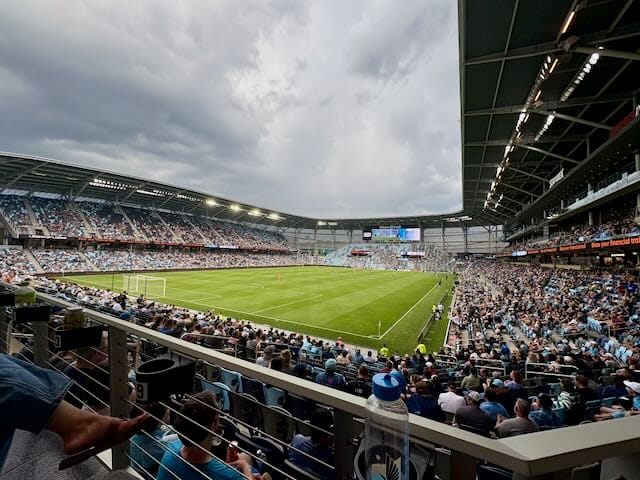
    When I first became a soccer fan, I never thought much about the weather. It was just part of the experience. The game and I have evolved. I’ve started thinking about how changing seasons shape what accessibility really means for fans like me. Changing bodies also influences this meaning.

    I’ve been reading about Major League Soccer’s proposed move to a fall–spring schedule. I understand the reasoning behind it. Still, I can’t help but think about how it will change the fan experience. This is especially true for those of us who feel the seasons differently than we used to.

    When I first became a fan back in 2015, the cold didn’t bother me. I was just excited to be there to feel part of something alive and electric. I remember going to a game one chilly October and bringing one of my aunts along. She thought I “looked cold,” even though I swore I was fine. By halftime, she’d bought me a hot chocolate, a hat, and maybe even a sweatshirt.

    I still remember that small act of care. The steam rose from the cup. Her laughter cut through the cold air. I didn’t think much of it then. Yet, looking back, I realize it was one of those simple, human moments that stay with you.

    A couple of years later, at our first home game in MLS, the weather turned on us fast. Heavy snow fell throughout the match, thick, wet flakes that clung to your eyelashes and soaked your gloves. The snow was coming down so fast that they had to use leaf blowers to clear the lines.

    My toes went numb halfway through, but it didn’t matter. The atmosphere was electric, the crowd united in equal parts misery and joy. We were there together, and that was enough.

    Those were different times. I was a different person. I was more willing to push through the discomfort just to be part of the moment.

    These days, I’ve noticed that the same weather affects me differently. I attend fewer matches as temperatures drop, and this year I didn’t opt in for playoff tickets at all. It’s not that my passion for the team has faded far from it. It’s just that Minnesota’s fall weather is unpredictable. This unpredictability makes it hard to plan. I find it difficult to feel confident that I’ll be comfortable or safe. The wind cuts a little deeper now. The cold lingers a little longer.

    Supporting a team with an outdoor stadium like Allianz Field comes with that territory. Still, it’s made me think more about what “accessibility” really means. We often talk about it in physical terms, ramps, seating, transportation, and those things matter deeply.

    Accessibility can also mean something softer, more personal: being capable of participating fully without discomfort, fear, or exhaustion. Weather affects this aspect, particularly for fans with mobility challenges. It impacts those with chronic pain or other health conditions, making the cold more than just an inconvenience.

    For some fans, colder games are part of the charm. They enjoy layers of scarves and hands wrapped around coffee cups. There is a sense of endurance that becomes almost a badge of honor. But for others, it’s not that simple. The cold can turn joy into endurance, and that can change the whole experience.

    As I’ve grown and my needs have shifted, I’ve noticed some changes. I’ve started to see how sports, something built on togetherness, can sometimes overlook the quiet ways inclusion matters.

    The fan experience isn’t just about ticket sales. It isn’t solely about crowd energy either. It’s about whether everyone can share in those moments equally. That’s true for people of all kinds.

    This includes those experiencing changes due to age. It also includes people with disabilities, sensory needs, or simply changing bodies who experience the world differently than before. Accessibility isn’t one-size-fits-all, and weather adds another layer to that reality.

    I still love this sport, this team, and the community it builds. Soccer has been a steady thread through so many seasons of my life, literally and figuratively. But my relationship to it has evolved as I have. The same stands that once made me feel unstoppable now remind me to listen to my body. To respect its limits. To show up in ways that make sense for where I am now.

    If MLS does move to a fall–spring schedule, I hope clubs and stadiums will think creatively. They should consider what that means for all fans.

    Maybe that looks like expanding covered seating in some venues. It could also mean improving heat access. Or it could simply involve offering more understanding around accessibility options in cold weather. Sometimes inclusion begins with small acts. It could be a staff member who notices. It might be a space to warm up. Or it could be the willingness to ask, “What do you need to feel comfortable here?”

    For many of us, being a fan isn’t about braving the elements anymore. It’s about connection: to the game, to the people around us, and to ourselves. It’s about finding warmth in community, even when the temperature drops.

    Seasons shift, people change, and that’s okay. What matters most is finding warmth in the stands. We need warmth in the community. It is essential in the spaces that still make us feel like we belong.

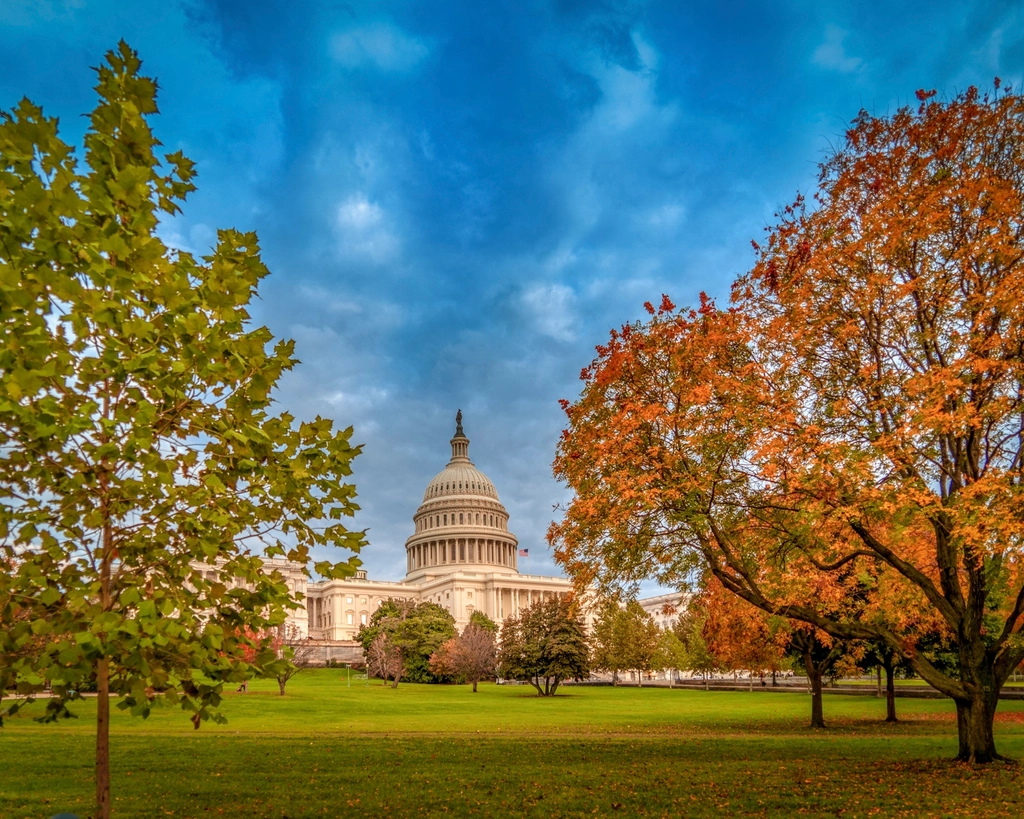
  • Government Shutdowns: Why Ordinary Americans Pay the Price While Congress Gets Paid

    Government Shutdowns: Why Ordinary Americans Pay the Price While Congress Gets Paid

    The United States government has shut down. Again.

    This isn’t just political theater happening in Washington. When the government shuts down, real people suffer. Federal workers are furloughed without pay. Others are forced to show up and work for free, waiting and hoping that back pay eventually comes. Contractors may never see the money they lose. Families who rely on government programs are left with uncertainty.

    Meanwhile, Congress just shrugs and keeps collecting their paychecks.

    Here’s what gets me: if I don’t pay my rent, I lose my apartment. If I don’t pay the electric bill, the lights go out. But when Congress doesn’t pay the government’s bills? They get to stay in their cushy offices while the rest of the country pays the price.


    The Duct Tape of Democracy: What a Continuing Resolution Is

    When Congress can’t pass an actual budget, they often slap on a Continuing Resolution (CR). Think of it like duct tape: it keeps the machine running for a little while, but it’s no long-term fix.

    A CR basically says: “We’ll just keep spending at last year’s levels.” That means agencies can’t start new projects. They can’t adjust to new needs. They just sit in limbo, waiting for Congress to stop bickering. Sometimes multiple CRs get passed in a single year — kicking the can further down the road.

    And when even a CR doesn’t pass? That’s when the shutdown slams into place.

    A Quick History Lesson on Shutdowns

    Shutdowns weren’t always the rule. Before 1980, if Congress blew the deadline, agencies kept operating. That changed after Attorney General Benjamin Civiletti ruled that under the Antideficiency Act, funding gaps legally required shutdowns. Since then, they’ve become a recurring disaster.

    Some of the biggest shutdowns:

    • 1995–96 (Clinton vs. Gingrich): Lasted 21 days. About 800,000 workers furloughed. A standoff over spending cuts.
    • 2013 (Obama): Sixteen days. Sparked by the fight over the Affordable Care Act. Cost the economy an estimated $24 billion.
    • 2018–19 (Trump): The record-holder at 35 days. Caused by the border wall funding battle. About 800,000 workers went without pay; countless contractors never got their money back.
    • 2025 (Right Now): Once again, Congress blew the deadline. Here we are, living the same old nightmare.

    Every shutdown looks different. The fallout is predictable. Families end up at food banks because paychecks stopped. Veterans wait longer for benefits. Disability services are disrupted. Medical research is stalled. Parks are shuttered. Small businesses near federal facilities take losses they can’t recover.

    Who Gets Hurt the Most

    Shutdowns don’t hit everyone equally.

    Disabled people often feel the blow first. There are delays in Social Security claims. There are disruptions to medical research. Federal grants that keep vital services running can be paused.

    Veterans face delayed benefits. Families who rely on nutrition programs like WIC find themselves in limbo.

    For federal employees who live paycheck to paycheck, a missed paycheck can have serious consequences. Many of these employees are veterans or disabled. It can mean bills pile up, rent becomes overdue, or prescriptions are skipped. It’s not just numbers on a ledger. It’s human lives destabilized by political games.

    Why This Keeps Happening

    Here’s the kicker: shutdowns aren’t about money. The U.S. has the credit to pay its bills. Shutdowns are about politics — leaders holding the budget hostage to force fights over unrelated issues.

    It’s brinkmanship at the expense of ordinary people.

    A Better Way Forward

    It doesn’t have to be this way.

    Look at Minnesota. Our state legislature is required to pass a budget by the end of session. Is it always pretty? No. But the government doesn’t shut down every time lawmakers disagree. There’s a built-in deadline that forces people to do the job.

    Why can’t Congress do the same?

    Maybe we need rules that make shutdowns impossible. No budget? No recess. No budget? No pay. No budget? No office.

    If I don’t pay my rent, I get evicted. If I don’t pay my bills, I lose my lights. Maybe it’s time Congress faced the same reality.

    Conclusion

    What do you think? I’d love to hear your thoughts, but let’s keep it civil. No name-calling, no bashing, no personal attacks. This is about ideas, not insults.

    And let me be perfectly clear: I am not laying the blame on one party alone. Both Republicans and Democrats share responsibility for this mess. My goal isn’t to pick sides. I aim to highlight a broken system that keeps hurting real people. I also want to suggest a better way forward.

  • When Social Media Follows You to Work

    In today’s world, it’s easy to forget an important fact. What we post on social media doesn’t just reflect on us personally. It can also reflect on our employers.

    Many organizations have policies. Sometimes they even have contractual clauses. These allow them to take action if an employee’s public statements cross certain lines.

    Everyone has the right to express their views. It’s important to be mindful of how those words could be perceived. Consider the potential consequences they carry.

    It’s also easy to forget how permanent the internet really is. Even if you remove a post there is no guarantee that someone hasn’t taken a screenshot of the post beforehand.

    I’ll admit, I’ve made posts in the past that weren’t the wisest choices. In one case, I ended up in a conversation with my human resources department because of something I posted.

    After that, I scrubbed all references to employers from my personal profiles. Of course, that’s not a foolproof way to keep things from getting back to your workplace. I still maintain a LinkedIn profile. It lists my employment history. The truth is people can be surprisingly skilled at internet sleuthing. More often than not, they can figure out where someone works — or even lives.

    Recent events have made the stakes even clearer. According to reporting in The New York Times, more than 145 people across the country have lost their jobs. They were fired, suspended, or pushed out after making statements about the assassination of conservative activist Charlie Kirk.

    These weren’t just public figures or media personalities. They were nurses, restaurant workers, nonprofit staffers, and even a police officer.

    • A nurse in Phoenix lost her job after joking near a nurses’ station about the shooting, even though she never wished Kirk dead.
    • A nonprofit literacy worker in Milwaukee was fired after posting on Facebook about gun violence. She wrote, “Yes I am making his death political, no I do not care.” She intended to highlight policy issues. However, others interpreted her words as saying Kirk “got what he deserved.”
    • In Wisconsin, an elementary school administrator was wrongly accused of celebrating Kirk’s death. Even though the post wasn’t hers, she was flooded with death threats. She had to leave her home. She returned to school only with extra police security.

    These stories highlight a bigger problem: what we mean isn’t always what people hear. Tone, body language, and inflection matter in spoken conversation. Online, all of that disappears. A laughing emoji, a sarcastic remark, or a blunt opinion can be stripped of its context. It can then be interpreted in the worst possible light.

    And once a post is out there, it can be picked up, shared, and judged far beyond its original audience. A message written for 70 friends can end up in front of 70,000 strangers. An employer may suddenly feel pressure to act.

    This raises difficult questions. The First Amendment protects speech from government punishment, but it doesn’t shield employees from workplace consequences. Employers, fearing reputational damage or political backlash, often act quickly — sometimes too quickly — when controversial speech surfaces. That leaves workers navigating a world where one poorly worded post could cost them their livelihood.

    I don’t pretend to have all the answers. People should be mindful of what they share online. But I also believe we need more nuance and grace. Everyone has said things they regret. Sometimes what looks like cruelty is really clumsy anger. It might also be gallows humor or frustration taken out of context.

    In a society where “the internet never forgets,” we should practice remembering something important. Human beings are more than their worst posts.

    I’m of an age where I grew up right as the internet was going mainstream. I was finishing college when Facebook first started taking off. I’ve seen both the “wild west” era of online posting. Also, I’ve seen today’s world where a single misstep can follow you forever.

    I see both sides. Employees need to think before they post. Employers and the public also need to remember that one post doesn’t define a person’s entire character.

    So I’ll end with this: How do we balance accountability with compassion in the digital age? How should we weigh the permanence of words written online against the humanity of the people who write them? I’d love to hear your thoughts in the comments.

  • Why I Applaud Schools for Banning Smartphones (And Why You Should Too)

    Why I Applaud Schools for Banning Smartphones (And Why You Should Too)

    Kids are heading back to school, and I’m thrilled to see more schools taking a firm stand against smartphones. Honestly, it’s about time. Kids don’t need phones.

    They’re not the lifeline we pretend they are. They’re attention traps. They pull students into a digital black hole. Instead of being trapped, students should be focusing on math, making friends, or just being kids.

    And yes, I say this as an adult who knows how easy it is to lose hours to the scroll. If I can’t always resist the temptation, imagine what it’s like for a seventh-grader in the middle of algebra.

    The Research

    The research backs up what most of us already feel in our gut. Nearly three-quarters of school leaders say phones hurt students’ mental health, and a similar number say they damage attention spans. Teachers see it too—about one-third call cellphone distraction a major problem in classrooms. And the issue isn’t small. Studies show teens spend an average of 1.5 hours on their phones during the school day. That’s not “just a quick check.” That’s a full class period wasted every single day.

    And yet, kids are getting smartphones younger and younger. More than half of eight-year-olds already own a phone or tablet. By age eleven, most kids have one in their pocket. Eighty-four percent of teens now carry smartphones everywhere they go.

    Pair that with relentless notifications, hundreds a day, and it’s no wonder anxiety, stress, and fractured attention are running high. We’ve given them a tool designed to keep them hooked. Then, we wonder why they can’t stay focused in class.

    Here’s the kicker: bans work. When schools in the Netherlands restricted phones, 75 percent reported better concentration. Additionally, 59 percent saw kids interacting more. Nearly 30 percent even saw grades go up.

    U.S. schools experimenting with phone bans are noticing something similar…kids are actually talking to each other again.

    Cafeterias are noisier in the best way. Teachers report calmer classrooms. Some schools are even bringing back foosball tables. They are also reintroducing board games. Suddenly, lunchtime looks like 1998 instead of a TikTok set.

    Parental Push back

    Parents often push back with the same argument: What if I need to reach my child in an emergency? I get it. The idea of being cut off feels scary.

    But let’s be real…you grew up without a phone. Your parents grew up without a phone. If something happened, they called the school or they showed up. It worked.

    Civilization didn’t collapse. And it wouldn’t now. There are systems in place for emergencies, and banning phones during school hours doesn’t mean banning common sense.

    The bottom line? Smartphones aren’t helping kids succeed in school. They’re stealing focus, hurting mental health, and replacing real human connection with endless notifications.

    If I had kids, I wouldn’t give them a smartphone, tablet, or computer at all.

    It’s not to punish them. I’d want them to live in the real world and not inside a feed. I’d want them to have real, face-to-face conversations instead of hiding behind a screen.

    They don’t need to be exposed to all the junk floating around the internet. Honestly, they already get enough of that from streaming platforms… but that’s a whole other conversation.

    Technology should serve us, not swallow us whole.

    Schools banning phones isn’t overreach; it’s a reset. It’s a chance to give kids what they need most space to learn, think, and just be kids.

    Chime In

    What do you think? Should schools go all-in and block phones completely, or do you think kids should still have access during the day?

    Sources and Further Reading

    Resources for Parents

  • When School Safety Plans Leave Students Behind

    When School Safety Plans Leave Students Behind

    I wasn’t sure how much more I was going to say about the recent school shooting at Annunciation Catholic School. But then I stumbled across an article in the Minnesota Star Tribune, and it stopped me in my tracks.

    We practice drills in school—lock downs, tornado, fire—because safety matters. I remember those drills vividly from my own time in elementary school. My experience was never quite like my classmates’.

    During tornado drills, everyone crouched on the floor, arms covering their necks. Me? Still sitting upright in my wheelchair, because that was the safest option we had.

    Fire drills were even more complicated. I remember a specific instance when the alarm went off. No one was sure if it was a drill or the real thing. Elevators can’t be used in an actual fire, but that day, there wasn’t time to debate. A staff member just scooped me up and carried me down three flights of stairs. I sat on the grass outside without my chair until we got the all-clear.

    I applaud that staff member for their quick thinking in getting me out of the building. I also applaud the Annunciation staff. They pulled a student out of his wheelchair and shielded him with their bodies. Those moments were heroic—but they were also unplanned. They happened because people acted on instinct, not because the system had a clear, inclusive plan.

    The Hard Truth: Our Plans Have Gaps

    Yes, emergency procedures can be written into IEPs. Many do. But let’s be honest—you can’t plan for every scenario. Right now, too many schools are failing to plan for some of the most basic ones.

    Here’s the reality for students with disabilities:

    • They may not be able to flatten to the ground during a lock down.
    • They may not move as fast as their peers—or at all—when evacuating.
    • They may not cognitively understand what’s happening in the chaos and could unintentionally move toward danger.

    These are life-or-death gaps. And yet, they’re rarely talked about until tragedy strikes.

    What Minnesota Requires—and Where It Falls Short

    Minnesota law requires schools to have comprehensive emergency plans, and those plans are supposed to include students with disabilities. Best practices suggest:

    • Individual Evacuation Plans for students who need them
    • Accessible alerts for students with hearing or vision impairments
    • Specialized evacuation equipment, like stair chairs

    But in practice, these things don’t always happen. Many schools still:

    • Skip individualized drills because they’re time-consuming
    • Lack staff training for evacuating students with disabilities
    • Depend on instinct in emergencies, instead of clear systems

    That gap between policy and practice is dangerous—and it needs attention now.

    The Bigger Picture: Gun Violence and Safety for All

    I’ve said this before and I’ll say it again:

    • We need common-sense gun reform.
    • We need mental health screenings.
    • We do not need weapons of war on our streets.

    I support the Second Amendment. I support responsible gun ownership. But firearms designed to fire dozens of rounds in seconds have no place in civilian life. They exist for one purpose: destruction.

    Until laws change, we live in a reality where lock down drills and emergency plans are essential. That reality must include every student.

    What Needs to Happen Now

    We can’t just design safety for the majority and leave the minority behind. Here’s what schools should be doing now:

    • Individualized Safety Plans for every student with mobility, sensory, or cognitive disabilities
    • Regular drills that include students with disabilities (not afterthought drills)
    • Evacuation equipment and staff training to make sure no one is left behind
    • Collaboration with first responders so they know how to assist students with disabilities during real emergencies

    Why This Matters

    I hate writing about this. It breaks me to even think about it. But ignoring it won’t make it go away. These conversations matter because too often, we design for the majority and leave the rest to fend for themselves.

    It’s time to change that. Every student deserves a clear, safe path in an emergency. No exceptions.

    We can’t wait for another headline to have this conversation. Start it now—because safety should never be optional.

    What You Can Do Today

    • Ask your school if students with disabilities have individualized safety plans.
    • Talk to your school board about inclusive drills and evacuation equipment.
    • Advocate at the state level for stronger accountability and resources for schools.

    Resources for Parents and Advocates