Tag: Life with a Disability

Personal experiences, challenges, and triumphs of living with a disability, from daily routines to navigating societal barriers.

  • What Do You Want Your Story to Say

    What Do You Want Your Story to Say

    Not too long ago, I learned that someone I went to high school with had suddenly passed away.

    We weren’t close. Growing up, they lived on the next street over from me. Both our families were into horses, so we spent time together as kids at horse shows and other horse related things.

    But the way it goes in small towns, we grew apart as we got older. By the time we were adults, we were little more than names in each other’s memories.

    And now they’re gone.

    The news hit differently than I expected. Something about the suddenness of it made me stop and wonder. If something happened to me tomorrow, what would my story say? Would the people who knew me, even a little, understand who I actually was?


    I’ve thought about death before. Living with a disability means you sometimes have a different relationship with your own mortality than other people do.

    You think about who will advocate for you if you can’t advocate for yourself. You think about legacy in ways that feel both practical and deeply personal.

    But I had never actually sat down and tried to put my story into words. Not like this.

    So I did. I wrote my own obituary.

    It felt strange at first. A little uncomfortable. But somewhere in the middle of it, it became something else entirely. It became clear.

    Writing it forced me to ask: what actually matters? Not what sounds good, not what looks impressive on paper, but what is true about who I am and what I’ve cared about.

    The answer wasn’t my job titles. It wasn’t my degrees. It was the people, the animals, the moments, and the work that filled the space in between.

    The first version came out long and traditional. The kind of obituary you’d find in a newspaper. But it felt like mine. Here’s a piece of it:

    Alyn spent their childhood surrounded by animals and found a particular kind of freedom on the back of a horse named Comanche. Those rides, Alyn often said, were the times they forgot their limitations entirely.

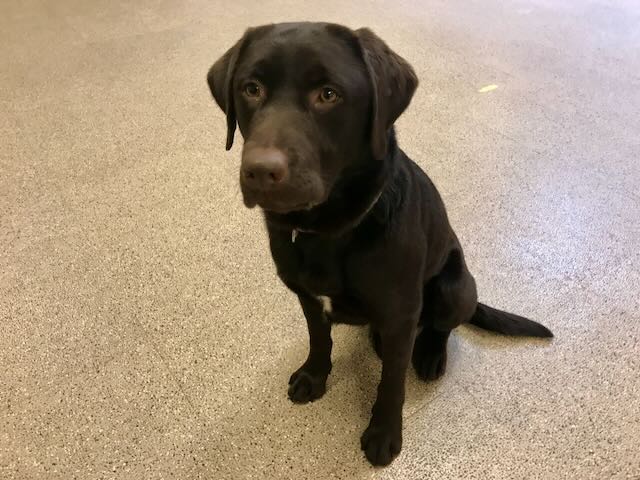
    Alyn was a service dog handler for much of their adult life. Their first partner, Dempsey, was a chocolate Lab who helped Alyn step into spaces that once felt overwhelming; less than three weeks after meeting, they rode an Amtrak train to Chicago together. After Dempsey passed in 2022, Alyn was matched with Surley, a yellow Labrador Retriever trained by Can Do Canines. Those who knew Alyn knew Surley too, a steady presence at the office, at Allianz Field, and at the campsite.

    Alyn believed in direct conversation, deep friendships, a good cup of Caribou Coffee, the joy of soccer, and time in the woods around a campfire with good people. They believed that accessibility is not a courtesy; it’s a right. And they spent their life proving that a person can come from a place that wasn’t built for them and still build something worth leaving behind.

    It was a good first attempt. But it still felt like a summary more than a story.


    That’s when I started thinking about a movie I saw many years ago when I was a kid called With Honors. Near the end, a character named Simon Wilder leaves behind an obituary he wrote himself. It’s short. It doesn’t list his accomplishments. It captures who he was in a handful of true sentences, and everyone named in the survived-by section gets a single defining characteristic instead of just a title or a relation.

    “He saw the world out of the porthole of a leaky freighter, was a collector of memories, and interrupted a lecture at Harvard.”

    Simon Wilder, With Honors (1994)

    That stuck with me.

    So I tried again. I tried to write something that felt less like a record and more like a truth.

    It’s harder than it sounds. You can go through a hundred versions and never feel fully satisfied. You second-guess every word. You wonder if you’re being too honest or not honest enough. You realize how strange it is to try to sum up a life while you’re still in the middle of living it.

    But here’s where I landed, at least for now:


    A person in a wheelchair wearing a red plaid shirt and sunglasses embraces a large yellow Labrador Retriever, who looks directly at the camera.

    In Loving Memory

    Levi “Alyn” Dokken

    Born: November 17, 1983     Death: ________

    Minneapolis, Minnesota


    Alyn Dokken came into this world small and fierce, and proceeded to prove everyone wrong for the rest of his life.

    He grew up on a farm in Benson, Minnesota, that wasn’t built for him, in a small town that didn’t always know what to do with him, with parents who loved him and were still figuring things out and a sister he fought with almost daily. He rode a horse named Comanche as if he had no limitations at all.

    Alyn knew Benson wasn’t the whole story, so he hit the road; first to Hutchinson, where he started to find his footing, then to Minneapolis, where he found his voice.

    In his travels, Alyn met people who saw him. He grew. He stopped asking permission and started just doing it: for himself, for his service dogs, for every disabled person who was told the table wasn’t theirs. He advocated for disabled people, visibly disabled and invisibly disabled, in rooms that were not always ready to hear it.

    Alyn co-founded AccessiLoons, the first accessibility-focused supporter group at Allianz Field.

    He started a blog he’d been thinking about for years because he wanted a place that was truly his and where he didn’t have to answer to anyone else.

    He spoke for Can Do Canines wherever he was: in front of crowds, in front of classrooms, in front of a three-year-old who just wanted to give his dog their ice cream cone. He explained what a service dog is and what a service dog isn’t — that under the vest is a living, breathing creature, silly and lovable, and nothing like a machine. He was lucky enough to know two of them. Lucky enough twice.

    He made choices he would make differently, and not one of them did he regret.

    Alyn is survived by his family: his partner, who has been a steady presence for over sixteen years; Dad and Mom, who lifted him into the truck and onto the back of horses never once letting it slow any of them down; his sister, who even though they had a rough childhood always had his back no matter what, and her husband, who married into the chaos willingly; C, G, and A, who still have the whole road of life ahead of them; many aunts and uncles who once said, “He will ride the elephant”; Jens, Kat and their boys T and D, who became family without ever being asked; and by Surley, who still has work to do.

    Alyn was preceded in death by his grandparents, who loved him unconditionally; Dempsey and Spaz, who were constants, one at his feet, one in his lap, and who taught him that the best companions don’t ask for much and give everything.

    Keep rolling, keep exploring, keep speaking your truth.


    Is it finished? Probably not. I’ll likely come back to it and change a word here, move a sentence there. That’s the thing about trying to tell your own story — there’s no final draft while you’re still writing the chapters.

    But the exercise itself was worth it. It reminded me of what I actually care about. It reminded me who I actually am. And it reminded me that the story I’m living right now is the one that will be told later.

    And I think that’s worth something.

  • You Only See a Snapshot: That’s Not Enough to Judge

    You Only See a Snapshot: That’s Not Enough to Judge

    Scroll through Facebook on any given day and you’ll find it: a parent sharing a moment with their child, and buried in the comments, a pile-on. Someone calling them lazy. Someone asking why they haven’t “fixed” it yet. Someone offering unsolicited advice wrapped in thinly veiled judgment.

    It happens constantly in disability parenting spaces. And it needs to stop.


    The People I Follow And Why This Matters to Me

    I want to be clear upfront: I follow a lot of autistic people and autism families on Facebook, and I do it because they’re genuinely worth following. The autistic people I know personally are cool, funny, thoughtful, and totally normal.

    They are just navigating a world that wasn’t really designed with them in mind. The families I follow online are doing the same: showing up every day for their kids, sharing the good moments and the hard ones, and being more honest about their lives than most people are willing to be.

    Some of those families have kids with severe autism. And some of those kids are in diapers or pull-ups. When I see that, I don’t see failure. I see a family that’s figured out what works.

    When strangers on the internet see it, sometimes the reaction is very different.

    What People Don’t Understand About Severe Autism and Potty Training

    Potty training isn’t just about learning a habit. It involves sensory awareness, the ability to recognize and interpret body signals, motor coordination, communication, and the executive function to stop what you’re doing and act on that signal in time. For kids with severe autism, any or all of those pieces may be genuinely, neurologically difficult, not because no one tried, but because the wiring works differently.

    For some kids, traditional potty training isn’t a realistic goal at least not on anyone else’s timeline, and maybe not ever in the conventional sense. Pull-ups and diapers in those cases aren’t a sign that parents gave up.

    They’re often the result of years of trying, working with therapists, adjusting approaches, and ultimately landing on what actually preserves the child’s dignity and the family’s ability to function.

    When someone fires off “have you even tried potty training them?” in the comments. They’re not helping. They’re showing how little they understand about what that family has already been through.

    Pull-ups and diapers aren’t a sign that parents gave up. They’re often the result of years of trying, working with therapists, and ultimately landing on what actually works.

    I Have Some Skin in This Game, Too

    I’m not writing this from the outside looking in. I have cerebral palsy. CP affects muscle coordination and spasticity throughout the body, and for me, that includes my bladder.

    What that looks like in real life: there’s sometimes no gradual warning. One moment everything is fine. The next, my bladder is spasming and I have a very short window, sometimes no window, to get to a bathroom. It’s not a matter of planning better or paying more attention.

    That’s just how spasticity works.

    So yes, I use pull-ups. It’s practical. It’s smart. I’ve made my peace with it and I truly don’t care what anyone thinks.

    I’m sharing this not to make the post about me, but because I want to be honest: I understand something about making practical choices around a body that doesn’t always cooperate. And I understand what it feels like to have those choices be nobody’s business but your own.

    You’re Only Seeing a Snapshot

    Social media gives you a moment. One frame from a film that’s been running for years.

    You don’t see the context. You don’t see what was tried before. You don’t see the appointments, the therapy sessions, the late-night research, the hard conversations, the small victories that don’t look like anything to the outside world but meant everything to that family. You don’t see the grief, or the resilience, or the way a parent has quietly rewritten their definition of progress a hundred times over.

    What you see is one post. One photo. One moment.

    And yet that’s enough for some people to render a verdict.

    What to Do Instead

    This isn’t complicated. It just takes some intentional effort:

    • Pause before commenting. Ask yourself: does this person need my input, or did they just share something from their life?
    • Ask instead of assuming. If you genuinely don’t understand something, curiosity is more useful than criticism.
    • Believe people when they say something is hard. You don’t have to fully understand a situation to respect that someone is doing their best in it.
    • Amplify instead of critique. If you see a disability parent or a disabled person sharing their reality honestly, share it. Normalize it. Help build a space where people feel safe being real.

    The World Could Use More of This

    My original thought was simple: if there were more people willing to support instead of judge, the internet — and honestly, the world — would be a better place.

    I still believe that. Disability doesn’t come with a handbook, and every family’s path — every person’s path — looks different. The least we can do is show up with some grace for the moments we don’t fully understand.

    You only see a snapshot. Make sure the story you’re telling yourself about it is worth telling.


    Written by someone who knows this isn’t theoretical. 💙

  • Training for a New Winter Olympic Game (Apparently)

    Training for a New Winter Olympic Game (Apparently)

    Winter has officially came back to Minnesota which means one thing: absolutely nothing is predictable.

    This morning, I confidently took the dog down the driveway for his usual morning bathroom break. The descent? Smooth. Controlled. Graceful, even. I briefly considered that I might have a future in the Winter Games.

    The return trip, however, was less inspirational documentary and more blooper reel.

    Halfway up the hill, my wheelchair wheels began spinning with great enthusiasm and zero productivity. Snow spraying. No traction. Dog already finished with his event and waiting at the top like an unimpressed judge.

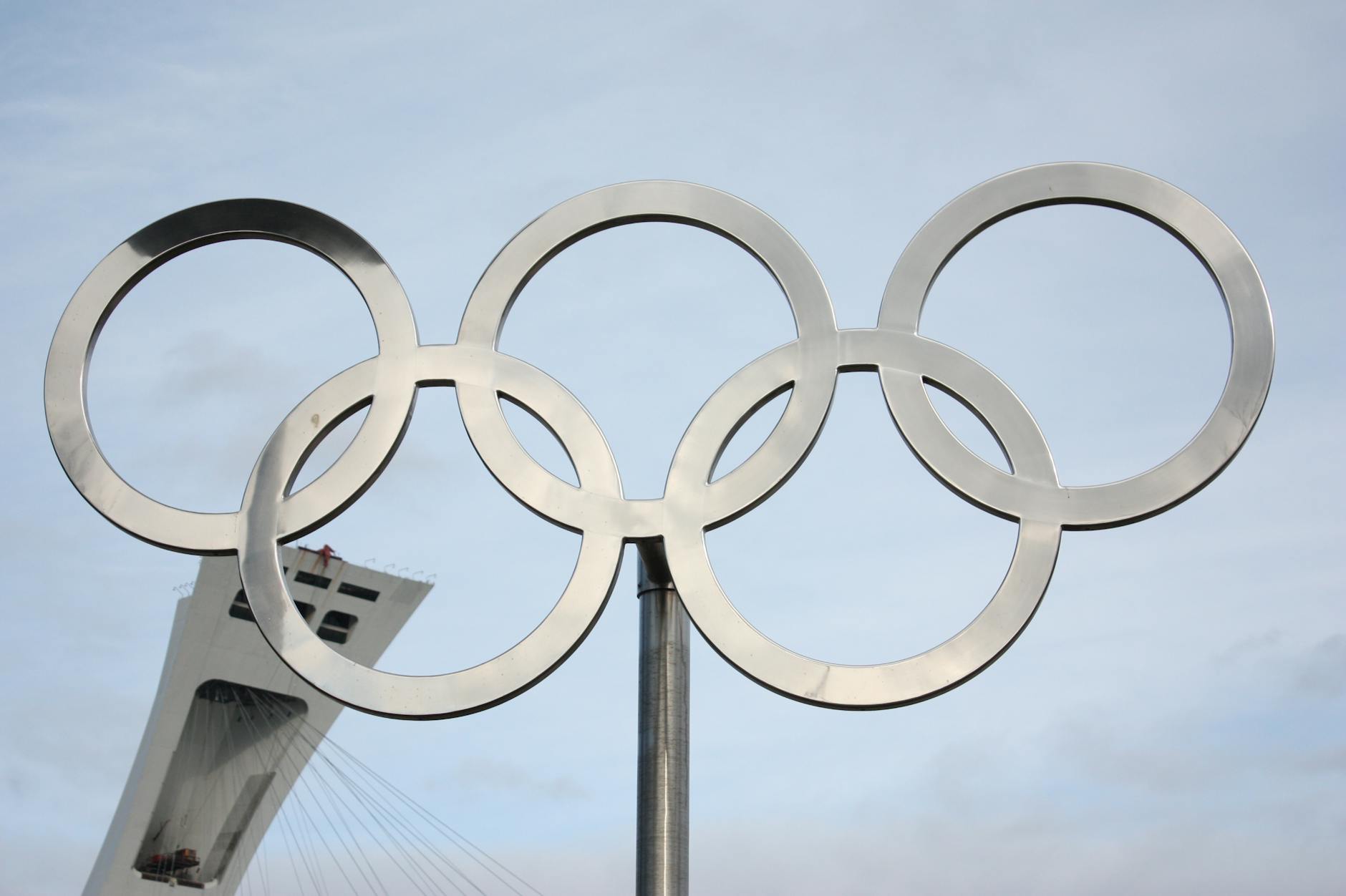
    In that moment, it felt like I was personally qualifying for the uphill event at Winter Games in Milano-Cortina.

    However, instead of international glory, I was competing against three inches of fresh Minnesota chaos.

    The thing about winter here is that it doesn’t gently arrive. It shows up overnight, rearranges your plans, and turns a simple dog outing into an endurance sport.

    In hindsight, I could have waited until the snow stopped.
    I could have waited for the hill to be cleared.

    But where’s the Olympic spirit in that?

    Gold medal in effort.
    Silver in spinning.
    Bronze in decision-making.

    And it’s only February.

  • Dempsey: Where It All Began

    Dempsey: Where It All Began

    Wow, it’s been eight years since I met you.

    Some days it only feels like yesterday. It’s strange how certain moments stay so sharp in your mind. Moments you won’t ever forget. Even if you forget the exact date once in a while, you never forget the feeling of it.

    Meeting you was that moment for me.

    I was nervous. I was excited. I was scared. I didn’t know what the hell I was doing. I didn’t know what I didn’t know. You knew a lot more than I did. You already came pre-programmed. I had to learn what you knew. I had to unlearn what I thought I understood about dog behavior.

    Before you, dogs were companions. Pets. Family. But you were something different. You were a partner. You had a job. And stepping into life with you meant stepping into something much bigger than I had imagined.

    Dempsey was a silly chocolate lab with boundless energy. The kind of energy that filled a room before he even fully walked into it. He was mischievous in that clever, always-thinking kind of way. When he played, he played loud. Vocal. Dramatic. Fully committed. There was no halfway with you. Everything was big.

    But when it came time to work, you were ready.

    When you first came to live with me, I remember sitting down. I read through the notes from your trainers, your foster family, and even the prison inmates who helped train you. I wanted to know everything about the dog standing in my living room. Who you were before you were mine.

    One comment has stayed with me all these years. An inmate wrote that you were eager to work. That you were ready. That you found repetition boring. You didn’t want to keep practicing the job. You wanted to go out and do the job you were meant to do.

    That didn’t surprise me.

    You were never content just going through the motions. You wanted real life. Real challenges. You faced challenges while working at the largest mall in America. There were lights, crowds, and noise everywhere.

    Or you traveled on an Amtrak train eight hours to Chicago. This was less than three weeks after moving into my home. Three weeks. Most dogs are still figuring out where the water bowl is. And there you were, settling at my feet on a moving train like it was exactly where you belonged.

    Meanwhile, I was still figuring out how to hold your leash without feeling like the entire world was watching me.

    You understood your job. I was still trying to understand mine.

    I had to learn how to trust you. Really trust you. I had to learn how to advocate for you. I had to learn how to take up space in public without apologizing for it. Trusting you meant admitting I needed help. And that was something I hadn’t fully made peace with yet.

    You pushed me ahead simply by being ready. When I would have stayed home, you were eager to go. When I doubted whether I could handle something, you stood steady beside me like you already knew we could. Your energy didn’t just make you a good service dog—it made me braver.

    You weren’t perfect. You were goofy. You got into things. You made me laugh at the worst possible times. But that was part of your magic. You reminded me that partnership didn’t have to be heavy all the time. There was room for joy. Room for chaos. Room for silliness—even in a life that required so much seriousness.

    That first meeting in 2018 didn’t just introduce me to my first service dog. It reshaped the direction of my life. It changed how I see disability. It changed how I move through the world. It changed what I believe I’m capable of.

    Maybe one of the greatest gifts you gave me wasn’t fully understood until after you were gone. It became clear to me later.

    Can Do Canines often says, “Our dogs fetch amazing things.” After everything we experienced together, that line felt deeper. It made me think about the places we went, the fears we faced, the things I once thought were impossible.

    So I had these words tattooed on my arm along with your paw print after you passed:

    Together we did amazing things.

    And we did.

    We did things I never thought I could do.
    We did things I was scared to do.
    We stepped into spaces that once felt overwhelming and made them ours.
    But we did it together.

    You were always on my right side.
    And in many ways, you still are.
    Working with you made me a better dog dad.

    Not just to you—but now to Surley.

    You two could not be more different. You were a chocolate lab—energetic, chaotic, vocal when playing. Big personality. Big presence.

    Surley is a yellow lab with a completely different rhythm. He’s calmer. Quieter. A little more sensitive. Where you barreled ahead, he reads the room. Where you demanded engagement, he offers steady presence.

    At first, that difference took adjustment.

    After years of your intensity and eagerness, learning Surley’s softer cues meant slowing down. Paying closer attention. Meeting him where he is instead of expecting what I was used to.

    But I wasn’t starting from scratch this time.

    You had already taught me how to listen. How to watch. How to respect that every working dog is still an individual first. You showed me that partnership isn’t about molding a dog into a standard. It’s about understanding who they already are. From there, you build trust.

    Because of you, I advocate better. I communicate better. I balance structure with play. I know that behind the red cape is still a dog. This dog needs joy, decompression, and room to just be themselves.

    Surley benefits from the lessons you taught me.

    And in that way, your impact didn’t end three years ago. It’s still here. It’s shaping how I lead and shaping how I love. It’s still walking beside me just in a different form.

    Eight years ago, you were ready to do the job you were meant to do.

    You helped me become ready, too.

    And for that, for you, I will always be grateful.


    Levi wearing a gray Minnesota United FC hat and yellow shirt, hugging his chocolate Labrador service dog, Dempsey, outdoors with a green background.
    Levi and his service dog, Dempsey, sharing a happy moment outdoors.

    In memory of Dempsey — my first partner, my brave beginning.

  • A Personal Anthem for the New Year

    A Personal Anthem for the New Year

    As I enter a new year, I am realizing how important it is to have an anthem. Not a resolution. Not a slogan. Something steadier than that.
    For now, 2025 and 2026 are sharing the same anthem: Tubthumping.

    The last few months have been testing.

    The weather has made it harder to get out of the house. That kind of confinement wears on you whether you acknowledge it or not.

    I have been walking alongside Jason through the struggles he has been having with his eyes. That uncertainty carries real weight.

    At the same time, I am still navigating the frustration of trying to find full-time employment. I am showing up and doing the work. I keep going even when progress feels slow and unclear.

    This is not abstract hardship. It is daily life. It is patience, waiting, worry, and persistence.

    That is why this song fits. Not because it is clever or nostalgic, but because it is honest.

    I get knocked down. That part is not hypothetical, it is simply life. But I get back up. Again and again. No dramatics. No victory lap. Just the steady decision to keep going.

    Some days that looks like loud defiance. Other days it is quiet grit. Either way, I am still here.

    Still moving forward.

    Still standing my ground.

    That anthem may change someday. But for now, it fits this season exactly. If these years are about anything, they are about endurance. And for the moment, this song says it better than anything else I could choose.

  • Still Becoming, Still Moving Forward

    A Season of Reflection

    I know I have not written in a while. The end of the year is always been difficult time of year for me. It is a season of reflection, whether I want it to be or not.

    There is a line from Have Yourself a Merry Little Christmas that comes back to me every year:

    Faithful friends who are dear to us
    Gather near to us once more
    Through the years we all will be together
    If the fates allow.

    The older I get, the heavier that line feels. It holds gratitude and truth at the same time. Some people are still here. Some are not. None of it is guaranteed.

    That song carries personal history for me. Have Yourself a Merry Little Christmas was the first song I sang on our family Under the Tree holiday CD. It was the very first song I sang. This was back in 1999. It has quietly followed me ever since.

    A lot of people send out polished Christmas letters listing accomplishments and milestones. I have never been good at that. This year brought change, not trophies, including quieter, more personal ones.

    Still Becoming

    This past spring, I wrote about the idea of always becoming. It was about growth that does not arrive with neat endings or clear resolutions. That theme followed me all year, often in uncomfortable ways.

    Part of that becoming meant choosing honesty. I wrote about going by the name Alyn, not as a reinvention, but as recognition. Outwardly, it was a small change. Yet, it reflected something deeper about my self-understanding. It also showed how I want to move through the world.

    Partnership and Home

    Jason and I are still steady. We passed fifteen years of living together, and at some point you stop counting.

    It is like age. I turned forty-two this year, technically, but numbers matter less than continuity. What matters is that we are still here, still choosing each other, even when things are heavy.

    The animals are still holding strong. Surley remains happy, eager, and ready to work. Kalo, who seems determined to live forever, is slowing down but still very much himself. He is older now, a little stiffer, a little clingier. He has started sitting with me more, something that once belonged exclusively to Spaz. I do not question it. I take it for what it is. Even when I am playing video games, and he is draped across my arm while chaos unfolds on the screen. I feel grateful for the quiet companionship.

    Work and Worth

    Work continues to be complicated. I am still employed, and I enjoy what I do and the people I work with. The problem is consistency. Months can pass without shifts. Disability income keeps me afloat, but barely. Earlier this year, I wrote about being more than qualified and still overlooked. That experience is not abstract. It lives in unanswered applications and interviews that go nowhere. It is frustrating, but it is also familiar.

    There is also the longer view. I also wrote about moving from being a visible symbol to an invisible adult. The attention fades. The needs do not. That reality has shaped how I have moved through this year, even when I did not name it outright.

    After months of trying to find something more reliable, I started working with vocational rehabilitation. I have had interviews. Nothing has landed yet. Maybe the new year will bring something different. Maybe it will not. I am still trying.

    Uncertainty and Care

    There is uncertainty ahead. Jason’s vision remains a concern. His degenerative eye condition means there may come a time when he cannot work. If that happens, our financial reality could change dramatically. It is one of the key reasons I have been more actively looking for work.

    Jason has carried more than his share this year. He lost his father late this summer, a loss that reshaped everything. On top of that came serious eye complications unrelated to Usher syndrome. Surgeries followed. Complications followed those. We talk about it daily. I go to appointments. I listen when frustration takes over. Earlier this year, I wrote about passengers on the journey, and that idea feels especially true now. Support is often quiet. It looks like showing up and staying.

    Love, Loss, and What Remains

    Earlier this year, I wrote about quiet reminders, the small things that steady us when life feels loud. That idea has stayed with me. As the years pass, the awareness of who is still here and who is not becomes sharper. None of it is guaranteed, and that truth carries more weight than it once did.

    I think about those who remain, the ones who show up and stay. I also think about those who are gone. Earlier this year, I wrote about holding onto love after loss. Grief does not replace love. It reshapes it. That truth lives with me when I think of my friend Colleen. I also think of Jason’s dad Harold. There are so many people I never had enough time with.

    I think about Dempsey. Three years have passed, and I still miss that stubborn, energetic chocolate Labrador. Surley is here and wonderful, but loving him does not erase the love I still carry for Dempsey. There is not a day that goes by that I do not think of my chocolate boy.

    This year has been a lot. I am not complaining. Life does not ask permission before it happens. We deal with what is in front of us and keep moving.

    Writing, Play, and Practice

    Not everything I wrote this year was heavy. I allowed myself a lighter side project, telling parts of my story through music in a life in songs. It was playful and nostalgic, but also revealing. Music has always been a quiet companion. Revisiting it reminded me that reflection does not have to be solemn to be meaningful.

    I also took a writing class this year. The pieces that came from it gave me permission to experiment and wander. The pieces were tributes to both Dempsey and Surley. They were imaginings of what Kalo and Surley would do if left alone. They reflected a traveler in a journey through a wasteland. Finally, they were quiet explorations of a life well lived. Writing them reminded me why I write at all. I write not only to educate and inform. Sometimes, I write to process, remember, and imagine.

    Choosing Quiet

    I have taken a slight step back from social media. I wrote about the tug-of-war between thinking and speaking. That awareness has stayed with me. Not every moment needs commentary. The people who matter know what is going on, and that is enough.

    I do not know what the coming year will bring. I know there will be uncertainty, and I know there will be moments of steadiness too. Time spent reflecting in the woods taught me that clarity often comes when noise fades.

    For now, I am still here. We are still here. I will keep moving forward. I carry both the past and the present with me. I am still becoming. I am still rolling down the road as best I can. I will move forward together, if the fates allow.

  • When the Season Shifts

    When the Season Shifts

    When I first became a soccer fan, I never thought much about the weather. It was just part of the experience. The game and I have evolved. I’ve started thinking about how changing seasons shape what accessibility really means for fans like me. Changing bodies also influences this meaning.

    I’ve been reading about Major League Soccer’s proposed move to a fall–spring schedule. I understand the reasoning behind it. Still, I can’t help but think about how it will change the fan experience. This is especially true for those of us who feel the seasons differently than we used to.

    When I first became a fan back in 2015, the cold didn’t bother me. I was just excited to be there to feel part of something alive and electric. I remember going to a game one chilly October and bringing one of my aunts along. She thought I “looked cold,” even though I swore I was fine. By halftime, she’d bought me a hot chocolate, a hat, and maybe even a sweatshirt.

    I still remember that small act of care. The steam rose from the cup. Her laughter cut through the cold air. I didn’t think much of it then. Yet, looking back, I realize it was one of those simple, human moments that stay with you.

    A couple of years later, at our first home game in MLS, the weather turned on us fast. Heavy snow fell throughout the match, thick, wet flakes that clung to your eyelashes and soaked your gloves. The snow was coming down so fast that they had to use leaf blowers to clear the lines.

    My toes went numb halfway through, but it didn’t matter. The atmosphere was electric, the crowd united in equal parts misery and joy. We were there together, and that was enough.

    Those were different times. I was a different person. I was more willing to push through the discomfort just to be part of the moment.

    These days, I’ve noticed that the same weather affects me differently. I attend fewer matches as temperatures drop, and this year I didn’t opt in for playoff tickets at all. It’s not that my passion for the team has faded far from it. It’s just that Minnesota’s fall weather is unpredictable. This unpredictability makes it hard to plan. I find it difficult to feel confident that I’ll be comfortable or safe. The wind cuts a little deeper now. The cold lingers a little longer.

    Supporting a team with an outdoor stadium like Allianz Field comes with that territory. Still, it’s made me think more about what “accessibility” really means. We often talk about it in physical terms, ramps, seating, transportation, and those things matter deeply.

    Accessibility can also mean something softer, more personal: being capable of participating fully without discomfort, fear, or exhaustion. Weather affects this aspect, particularly for fans with mobility challenges. It impacts those with chronic pain or other health conditions, making the cold more than just an inconvenience.

    For some fans, colder games are part of the charm. They enjoy layers of scarves and hands wrapped around coffee cups. There is a sense of endurance that becomes almost a badge of honor. But for others, it’s not that simple. The cold can turn joy into endurance, and that can change the whole experience.

    As I’ve grown and my needs have shifted, I’ve noticed some changes. I’ve started to see how sports, something built on togetherness, can sometimes overlook the quiet ways inclusion matters.

    The fan experience isn’t just about ticket sales. It isn’t solely about crowd energy either. It’s about whether everyone can share in those moments equally. That’s true for people of all kinds.

    This includes those experiencing changes due to age. It also includes people with disabilities, sensory needs, or simply changing bodies who experience the world differently than before. Accessibility isn’t one-size-fits-all, and weather adds another layer to that reality.

    I still love this sport, this team, and the community it builds. Soccer has been a steady thread through so many seasons of my life, literally and figuratively. But my relationship to it has evolved as I have. The same stands that once made me feel unstoppable now remind me to listen to my body. To respect its limits. To show up in ways that make sense for where I am now.

    If MLS does move to a fall–spring schedule, I hope clubs and stadiums will think creatively. They should consider what that means for all fans.

    Maybe that looks like expanding covered seating in some venues. It could also mean improving heat access. Or it could simply involve offering more understanding around accessibility options in cold weather. Sometimes inclusion begins with small acts. It could be a staff member who notices. It might be a space to warm up. Or it could be the willingness to ask, “What do you need to feel comfortable here?”

    For many of us, being a fan isn’t about braving the elements anymore. It’s about connection: to the game, to the people around us, and to ourselves. It’s about finding warmth in community, even when the temperature drops.

    Seasons shift, people change, and that’s okay. What matters most is finding warmth in the stands. We need warmth in the community. It is essential in the spaces that still make us feel like we belong.

  • Forever United: Reflections at Season’s End

    Forever United: Reflections at Season’s End

    As I write this, it’s the day after the final regular season home game. As the final whistle blew under the bright lights of Allianz Field, I felt that familiar mix of gratitude. I also felt nostalgia and quiet pride. The last regular season home game always carries a special weight. It’s more than just a match. It’s a celebration of everything we’ve shared over the months.

    Even though Minnesota United made it to the playoffs, I’ve decided not to get playoff tickets this year. The main reason is cost. I already struggle to afford the regular season. I am already making payments on my season tickets for the 2026 season. As much as I’d love to be there, I just couldn’t justify the extra expense.

    The other reason is the unpredictable Minnesota weather. As the years go on, I find myself less tolerant of the cold. We’ve been blessed with a warmer-than-usual fall. Still, there’s no guarantee it will stay that way. Sometimes practicality wins out, even when the heart wants otherwise.

    The Heart of the Game

    Soccer has always been more than just a game to me. It’s community, connection, and pure emotion wrapped into ninety minutes. Every season brings new stories, new faces, and new memories that stick with you long after the final whistle. This year was no different. I didn’t make it to as many matches as I’d hoped. Yet, the moments I did experience reminded me why I fell in love with this team. Those moments showed me what made this team special in the first place.

    Sometimes life has other plans. Sometimes disability makes things harder than they should be. There are days when energy fades, when logistics get tricky, when even passion has to wait its turn. But that’s okay. We do the best we can with what we’re given, and that’s something to be proud of too.

    The games I did make it to were nothing short of incredible. The roar of the crowd excites me. The rhythm of the chants energizes me. The pulse of the drums reminds me every time why I love this sport. There’s something almost sacred about being part of a crowd that breathes in unison. Hearts beat for the same goal. Voices rise together under a canopy of light.

    Surley’s Season

    Surley didn’t make it to as many games this year either — for a wide variety of reasons. There were days that were simply too cold, and others that were far too hot. Then there were nights like the last game, when they launched pyrotechnics. We’ve made a lot of progress on his fear of fireworks, and I didn’t want to risk a setback. Still, there were plenty of good moments. On a bright note, Surley did make an appearance on the jumbo screen this season. It was akin to what Dempsey did back in the day. A proud moment for both of us.

    Forever United

    Even when I can’t be there, my connection to this team doesn’t fade. It simply finds new ways to shine. Whether I’m watching from home, the love remains constant. It stays strong when I’m checking updates on my phone. I carry their spirit in my heart, unwavering.

    Because love for the game isn’t measured in seats filled or screens watched. It’s found in the stories we tell, the memories that linger, and the quiet hope that refuses to fade.

    It lives in the roar of the crowd that still echoes in your mind. You hear it in the rhythm of the chants you can’t help but hum. You feel the pride that stays with you long after the lights go out.

    Minnesota United is more than a soccer team. It’s a community and a shared heartbeat. It serves as a reminder that belonging can take many forms.

    Whether in the stands, at home, or cheering from the heart, I’ll always carry that unity with me.

    Go Minnesota United. Forever United. 💙🖤⚽

  • Coffee, Caribou, and a Dangling Joystick

    Some families pass down recipes. Mine passed down the ability to fix stuff.

    My grandpa was a mechanic at the local Ford garage until he retired. He could take apart an engine and put it back together like it was nothing. My dad never worked as a mechanic, but the same knack runs through his veins. He’s the guy who can fix just about anything without even batting an eye.

    I didn’t go to school for mechanics. I don’t have a shop, a toolbox wall, or grease-stained coveralls. But I inherited enough of that mechanical instinct to survive—and that’s turned out to be a lifesaver. Literally.

    Because here’s the thing about using a wheelchair: when something breaks, you can’t exactly wait it out. The official way to get things fixed is through a durable medical equipment (DME) company. And if you’ve ever worked with one, you know how long that can take. Sometimes it’s days. Sometimes weeks. Sometimes months. Meanwhile, your life is supposed to keep going.

    That’s why I’ve learned to do it myself when I can.

    Take yesterday, for example. I was at Caribou Coffee, just trying to roll in and enjoy my drink. But the door had other plans. My joystick bracket snagged on the frame, and the whole thing ripped right off. When I say ripped off, I mean the entire joystick was dangling from the side of my chair. It looked like it was about to make a run for it.

    Not the kind of situation you want when you’re miles from home. I jerry-rigged it by wedging it between the armrest and my thigh. This allowed me to limp my way back. Once I was home and had the right tools, I pulled it apart and got everything back together.

    This isn’t the first time it’s happened either. Once before, the joystick arm snagged on a doorway. This also happened at a Caribou. Clearly, coffee shops and I have a pattern. The joystick arm came off completely. Luckily, my friend’s dad lived just down the road and had tools. We got it fixed, no problem.

    Maybe Caribou should sponsor me—buy a coffee, break a joystick, fix it before the cup gets cold. Mechanics run in the family, after all.

    The thing is, these “big problems” are often small fixes. Nine times out of ten, it’s just a matter of grabbing an Allen wrench and tightening a few bolts. And because I’ve inherited that “figure it out” mentality from my grandpa and dad, I can usually handle it.

    I’m not a mechanic by trade. But when it comes to my wheelchair, I don’t really have the option of waiting around. Every repair I make on my own isn’t just about saving time—it’s about keeping my independence.

    And if that’s not worth a little grease under my nails, I don’t know what is.

  • When School Safety Plans Leave Students Behind

    When School Safety Plans Leave Students Behind

    I wasn’t sure how much more I was going to say about the recent school shooting at Annunciation Catholic School. But then I stumbled across an article in the Minnesota Star Tribune, and it stopped me in my tracks.

    We practice drills in school—lock downs, tornado, fire—because safety matters. I remember those drills vividly from my own time in elementary school. My experience was never quite like my classmates’.

    During tornado drills, everyone crouched on the floor, arms covering their necks. Me? Still sitting upright in my wheelchair, because that was the safest option we had.

    Fire drills were even more complicated. I remember a specific instance when the alarm went off. No one was sure if it was a drill or the real thing. Elevators can’t be used in an actual fire, but that day, there wasn’t time to debate. A staff member just scooped me up and carried me down three flights of stairs. I sat on the grass outside without my chair until we got the all-clear.

    I applaud that staff member for their quick thinking in getting me out of the building. I also applaud the Annunciation staff. They pulled a student out of his wheelchair and shielded him with their bodies. Those moments were heroic—but they were also unplanned. They happened because people acted on instinct, not because the system had a clear, inclusive plan.

    The Hard Truth: Our Plans Have Gaps

    Yes, emergency procedures can be written into IEPs. Many do. But let’s be honest—you can’t plan for every scenario. Right now, too many schools are failing to plan for some of the most basic ones.

    Here’s the reality for students with disabilities:

    • They may not be able to flatten to the ground during a lock down.
    • They may not move as fast as their peers—or at all—when evacuating.
    • They may not cognitively understand what’s happening in the chaos and could unintentionally move toward danger.

    These are life-or-death gaps. And yet, they’re rarely talked about until tragedy strikes.

    What Minnesota Requires—and Where It Falls Short

    Minnesota law requires schools to have comprehensive emergency plans, and those plans are supposed to include students with disabilities. Best practices suggest:

    • Individual Evacuation Plans for students who need them
    • Accessible alerts for students with hearing or vision impairments
    • Specialized evacuation equipment, like stair chairs

    But in practice, these things don’t always happen. Many schools still:

    • Skip individualized drills because they’re time-consuming
    • Lack staff training for evacuating students with disabilities
    • Depend on instinct in emergencies, instead of clear systems

    That gap between policy and practice is dangerous—and it needs attention now.

    The Bigger Picture: Gun Violence and Safety for All

    I’ve said this before and I’ll say it again:

    • We need common-sense gun reform.
    • We need mental health screenings.
    • We do not need weapons of war on our streets.

    I support the Second Amendment. I support responsible gun ownership. But firearms designed to fire dozens of rounds in seconds have no place in civilian life. They exist for one purpose: destruction.

    Until laws change, we live in a reality where lock down drills and emergency plans are essential. That reality must include every student.

    What Needs to Happen Now

    We can’t just design safety for the majority and leave the minority behind. Here’s what schools should be doing now:

    • Individualized Safety Plans for every student with mobility, sensory, or cognitive disabilities
    • Regular drills that include students with disabilities (not afterthought drills)
    • Evacuation equipment and staff training to make sure no one is left behind
    • Collaboration with first responders so they know how to assist students with disabilities during real emergencies

    Why This Matters

    I hate writing about this. It breaks me to even think about it. But ignoring it won’t make it go away. These conversations matter because too often, we design for the majority and leave the rest to fend for themselves.

    It’s time to change that. Every student deserves a clear, safe path in an emergency. No exceptions.

    We can’t wait for another headline to have this conversation. Start it now—because safety should never be optional.

    What You Can Do Today

    • Ask your school if students with disabilities have individualized safety plans.
    • Talk to your school board about inclusive drills and evacuation equipment.
    • Advocate at the state level for stronger accountability and resources for schools.

    Resources for Parents and Advocates