Tag: Accessibility & Inclusion

Topics on designing environments and systems that accommodate diverse needs and promote social inclusion.

  • Why Can’t Pants Just Fit?

    Why Can’t Pants Just Fit?

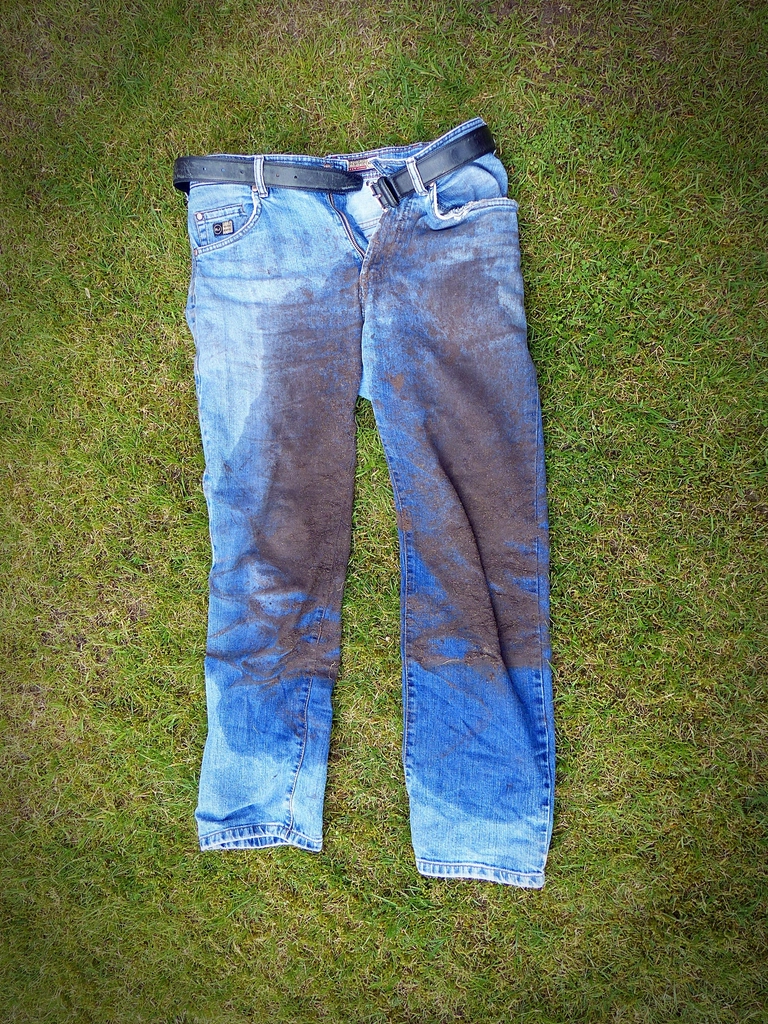
    Let me set the scene. I am in the bathroom, getting ready to do what one does in the bathroom, and I go to pull down my pants. Except I don’t really pull them down. They just slide. Right off my hips, no effort required, like they were waiting for an excuse.

    My first thought was that I had grabbed a pair that were too big. It happens. I lost a significant amount of weight a few years ago and had to size down, and some of my older pairs are still floating around in the rotation. But no. I checked. Same size as my newer pairs.

    Which brings me to a question I have been asking for years: why can’t a size just be a size?


    Here is the thing about my wardrobe

    Most of my clothes come from the boys department.

    My shirts and pants, mostly from Target. My underwear, from JCPenney. A few adult shirts here and there, but adult sizing tends to run big and boxy, or long in the body and the leg, and none of that works great when you spend your day in a wheelchair. Boys sizing fits my body better, and there are real reasons for that.

    I am not especially tall, and I have a slim waist. My hips are another story: cerebral palsy has affected my hip joints over the years, and that has shaped my proportions in ways that make standard adult sizing a poor match. I also prefer shirts that hit just below the waist or near the hips, which makes dressing easier day to day. Adult cuts tend to be too long, too wide through the chest, or both. Boys sizing, more often than not, actually fits.

    I want to be clear about something, because I know where some people’s minds go when they hear that. Shopping in the boys department does not make me childish. It does not make me immature. It means I found clothing that fits my body, which is the entire point of clothing.

    Most of what I wear, you would never clock as coming from the boys section. A plain tee is a plain tee. A pair of jeans is a pair of jeans. Do I have a few shirts with something a little more fun on them? Sure. But the majority of my wardrobe could pass in either direction without anyone batting an eye.

    I am just a person wearing clothes that fit. Novel concept.


    So about that sizing problem

    Here is where it gets frustrating. Boys sizing runs differently than adult sizing, and I have made my peace with navigating both. What I have not made my peace with is that boys sizing is not even consistent with itself.

    A boys size 18 is a youth size, not an adult one. But that number does not mean the same thing from one brand to the next. I actually keep a reference chart just to keep track, not because I enjoy doing extra homework before buying a pair of pants, but because the numbers mean so little on their own that I genuinely need it. A boys size 18 at Target fits differently than a boys size 18 at JCPenney. Same number, two different brands, two different fits. And that is before you factor in that sizing can shift within the same brand from one year to the next.

    The number on the tag is not a measurement. It is a suggestion. A rough estimate. A vibe.

    If I buy a size, that number should reflect an actual measurement. The same measurement, every brand, every year. The fact that it does not is not just inconvenient. For a lot of people, it means clothes that do not fit, returns that are a hassle, and a shopping experience that already takes more effort than it should.


    And it is not just pants

    For a long time, shoes were their own separate nightmare.

    I wore AFOs for years. AFOs, or ankle-foot orthoses, are rigid braces that support the foot and ankle and are commonly used by people with conditions like cerebral palsy. They slip inside your shoe, which means your shoe has to be big enough to accommodate both your foot and the brace. My true foot size is a men’s 8. But for most of the years I wore AFOs, I was buying a men’s size 10 just to make them work. The last pair that actually fit over my braces were a pair of Doc Martens at a size 10. They did the job, but finding them was not easy, and shoe shopping was never simple.

    I stopped wearing AFOs a few years ago. That is when I found out what size my feet actually are.

    There is another wrinkle worth mentioning. Because of my cerebral palsy and the fact that I do not bear weight the way most people do, unless I am in the middle of a transfer, my feet do not sit flat. That makes it difficult to get an accurate measurement in the first place, which adds yet another layer to an already complicated process.

    Eventually I found Billy Footwear, and things got a lot better. Billy’s designs shoes that zip open fully around the sides, making them genuinely easier to put on for people with a wide range of mobility needs. For the first time, I was buying shoes in a size that actually reflected my feet, not my braces, not a workaround. I receive no compensation from Billy Footwear. I just think they are worth knowing about.

    But the point is: I spent years buying shoes two sizes too big because the alternative was not having shoes that worked. That is not a sizing inconsistency problem in the same way pants are. That is a whole different failure of the system. And it is exhausting to navigate both at once.


    For wheelchair users, the stakes are a little higher

    Back to those pants sliding off my hips in the bathroom.

    That moment was funny, in the way that a lot of disability moments are funny when you are not in the middle of a transfer. But it is also not nothing.

    I cannot count the number of times I have been mid-transfer into my chair and had to stop and readjust because my pants had slid down. Transfers require focus and coordination. Having to pause and hike your pants back up in the middle of one is not just annoying. It is a real disruption, and depending on the situation, it can affect your safety and your dignity.

    I could wear a belt every day. Sure. Except a belt is not just something I forgot to grab. It is time and energy, and when you are a wheelchair user who needs to get to the bathroom in a hurry, that time and energy is not always available. A belt between you and the bathroom can be the difference between making it and not making it. That is not a minor inconvenience. That is a real problem.

    Here is the thing, though. Most of my pants, because they come from the boys department, are either pull-on or they fasten with snaps rather than the buttons and zippers you find on adult men’s pants. That actually works in my favor. Both Target and JCPenney carry adaptive clothing lines, and I have tried a few things from each. But for my needs, regular boys department basics do the job just as well, often with the same easy-access features that adaptive clothing is designed around, and without the premium price tag. The boys department accidentally solved a problem the adaptive clothing industry charges extra to address.

    Which makes the sizing inconsistency even more frustrating. When you find a department that fits your body, fits your budget, and happens to have features that make your daily life easier, you want to be able to rely on it. A boys size 18 should mean the same thing every time. It does not. And that matters.


    A size should be a size. Every brand. Every year. Every time. It is not a complicated request. It just, apparently, is not how the industry works.

    And until it does, I will be in the boys department at Target, checking the tag on every pair of pants, and hoping for the best.

    Does inconsistent clothing sizing affect how you shop? I would love to hear how other wheelchair users and disabled folks navigate this, whether it is keeping your own reference chart, finding brands that actually work, or something else entirely. Drop a comment below.

  • When the Bus Doesn’t Pull Up: Advocating from the Back of the Bus

    When the Bus Doesn’t Pull Up: Advocating from the Back of the Bus

    So this actually happened last Saturday, and I’m just now sitting down to write about it because life has a way of doing that. But it’s been living rent-free in my head all week, so here we go.

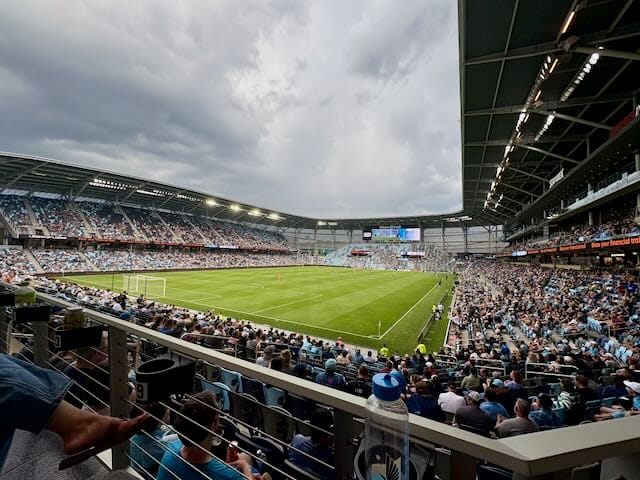
    Jason and I went to the Minnesota United game. Simple enough, right? Except it wasn’t.

    The green line was down for maintenance, so Metro Transit had shuttle buses running between downtown Minneapolis and downtown St. Paul. Shuttles on game days tend to get packed, so we decided to skip it and just take the 94. I take the 94 to work most days. I know the 94. The 94 and I are old friends.

    Or so I thought.

    Going: When the Bus Just… Doesn’t

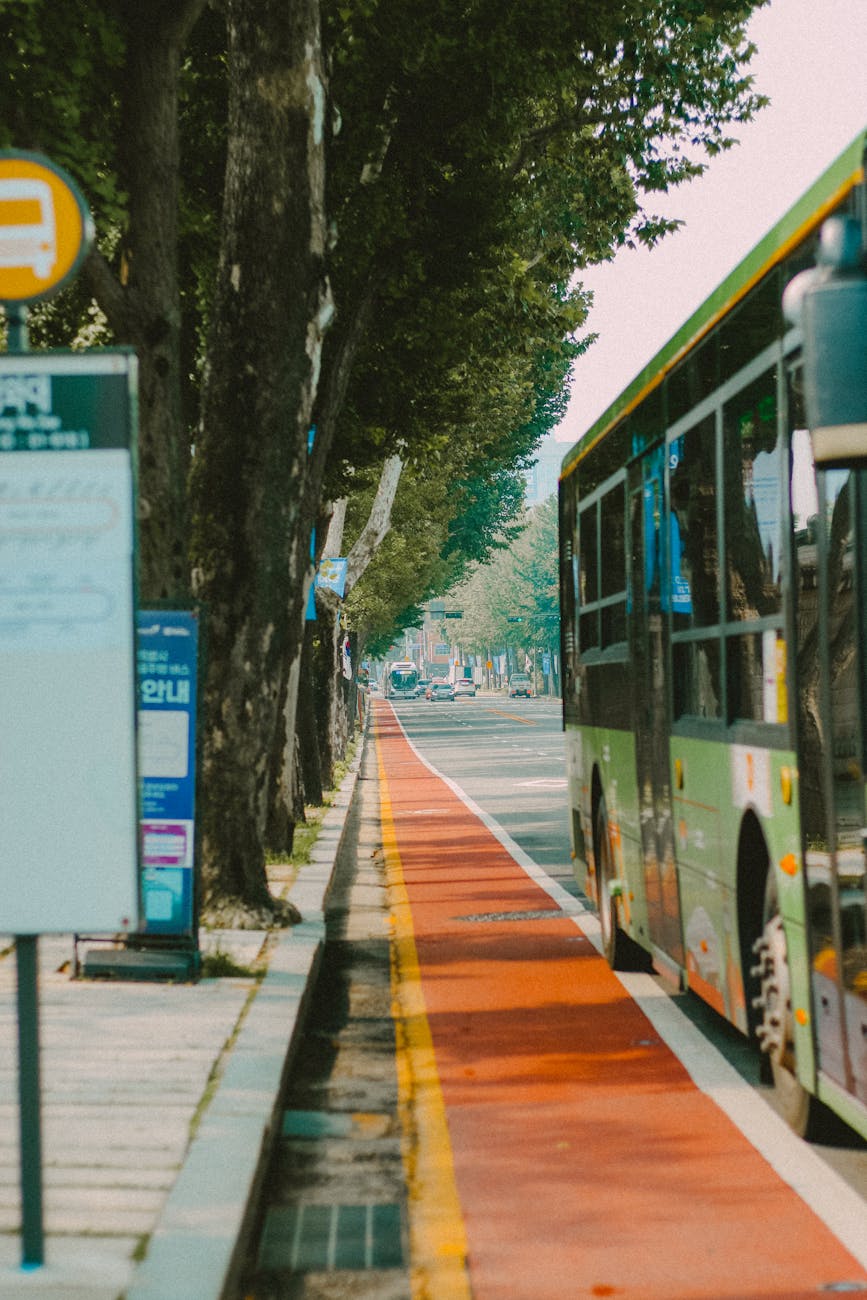
    When the 94 pulled up to our stop, it didn’t actually pull up. It stopped in the street. The driver leaned out and shouted that he was full, that he couldn’t accommodate me.

    Does that happen? Yes. Is there much I can do about it in the moment if a driver says the bus is full? Not really. So I took him at his word. Everyone else at the stop stepped off the curb and boarded. Jason and I watched the bus go.

    We ended up taking the green line shuttle after all. We made it to Allianz Field just in time for kickoff. I was a little annoyed, but the game was good, and I shook it off. Soccer helps.

    Coming Home: A Different Story

    After the game, I figured the shuttle would be the easy option heading back. It was not easy.

    The shuttle loading area was right next to where a CVS had been torn down a few weeks earlier. Construction barricades were everywhere, and they were blocking the sidewalk. I couldn’t get through. I couldn’t load onto the shuttle. Just like that, the “easy” option was off the table.

    Since I don’t usually take the 94 from downtown St. Paul, I wasn’t entirely sure where it picked up. Cue some finagling, some frustration, and, honestly, a little aggravation on Jason’s part too. But we found it.

    This Time, I Spoke Up

    Here’s where it got interesting. The same scenario played out: the bus wasn’t pulled to the curb. But this time, I decided to speak up. A little louder. A little more firmly.

    The driver seemed to think I was just going to hop off the curb into the street. Power wheelchairs do not hop curbs. A few people nearby offered to lift me. They meant well, genuinely. I politely declined. One wrong move and someone gets hurt, I get hurt, or my chair gets damaged. None of those are great outcomes.

    The driver eventually maneuvered the bus to the curb and loaded me on. I don’t know if he was having a rough day. Game days are chaotic, the green line was down, and everyone was stressed. I get it. But it still needed to happen, and it happened because I asked for it to happen.

    Oh, and then the bus had a mechanical issue and had to pull off on the freeway. Which has genuinely never happened to me in all my years of riding Metro Transit. So that was a thing.

    Even Advocates Need a Nudge Sometimes

    Here’s what I keep coming back to: even those of us who do this work, who talk about disability rights, who know our rights, who have the language, sometimes freeze up in the moment. Sometimes we’re tired. Sometimes we’re just trying to get home after a long day and we don’t want to make it a whole thing.

    I needed a gentle nudge from Jason to speak up on the way home. And that’s okay. Advocacy isn’t a switch you flip on and it stays on forever. It takes energy. And sometimes it takes a partner, literally or figuratively, reminding you that you’re allowed to take up space.

    Even if that space is at the back of the bus, waiting for the driver to pull six feet closer to the curb.

    We got home. Minnesota United lost 0-1 to LAFC. And I’m still thinking about that ride.

    Have you ever frozen up in a moment when you knew you needed to speak up? What helped you find your voice?

    As for today: no bus rides on the agenda. Minnesota United is playing the Columbus Crew in Columbus tonight at 6:30, so I’ll be watching from the couch.

    Good thing too, because Metro Transit is doing more maintenance on the green line this weekend. Shuttle buses again. I’ll be staying home, thanks.

  • You Only See a Snapshot: That’s Not Enough to Judge

    You Only See a Snapshot: That’s Not Enough to Judge

    Scroll through Facebook on any given day and you’ll find it: a parent sharing a moment with their child, and buried in the comments, a pile-on. Someone calling them lazy. Someone asking why they haven’t “fixed” it yet. Someone offering unsolicited advice wrapped in thinly veiled judgment.

    It happens constantly in disability parenting spaces. And it needs to stop.


    The People I Follow And Why This Matters to Me

    I want to be clear upfront: I follow a lot of autistic people and autism families on Facebook, and I do it because they’re genuinely worth following. The autistic people I know personally are cool, funny, thoughtful, and totally normal.

    They are just navigating a world that wasn’t really designed with them in mind. The families I follow online are doing the same: showing up every day for their kids, sharing the good moments and the hard ones, and being more honest about their lives than most people are willing to be.

    Some of those families have kids with severe autism. And some of those kids are in diapers or pull-ups. When I see that, I don’t see failure. I see a family that’s figured out what works.

    When strangers on the internet see it, sometimes the reaction is very different.

    What People Don’t Understand About Severe Autism and Potty Training

    Potty training isn’t just about learning a habit. It involves sensory awareness, the ability to recognize and interpret body signals, motor coordination, communication, and the executive function to stop what you’re doing and act on that signal in time. For kids with severe autism, any or all of those pieces may be genuinely, neurologically difficult, not because no one tried, but because the wiring works differently.

    For some kids, traditional potty training isn’t a realistic goal at least not on anyone else’s timeline, and maybe not ever in the conventional sense. Pull-ups and diapers in those cases aren’t a sign that parents gave up.

    They’re often the result of years of trying, working with therapists, adjusting approaches, and ultimately landing on what actually preserves the child’s dignity and the family’s ability to function.

    When someone fires off “have you even tried potty training them?” in the comments. They’re not helping. They’re showing how little they understand about what that family has already been through.

    Pull-ups and diapers aren’t a sign that parents gave up. They’re often the result of years of trying, working with therapists, and ultimately landing on what actually works.

    I Have Some Skin in This Game, Too

    I’m not writing this from the outside looking in. I have cerebral palsy. CP affects muscle coordination and spasticity throughout the body, and for me, that includes my bladder.

    What that looks like in real life: there’s sometimes no gradual warning. One moment everything is fine. The next, my bladder is spasming and I have a very short window, sometimes no window, to get to a bathroom. It’s not a matter of planning better or paying more attention.

    That’s just how spasticity works.

    So yes, I use pull-ups. It’s practical. It’s smart. I’ve made my peace with it and I truly don’t care what anyone thinks.

    I’m sharing this not to make the post about me, but because I want to be honest: I understand something about making practical choices around a body that doesn’t always cooperate. And I understand what it feels like to have those choices be nobody’s business but your own.

    You’re Only Seeing a Snapshot

    Social media gives you a moment. One frame from a film that’s been running for years.

    You don’t see the context. You don’t see what was tried before. You don’t see the appointments, the therapy sessions, the late-night research, the hard conversations, the small victories that don’t look like anything to the outside world but meant everything to that family. You don’t see the grief, or the resilience, or the way a parent has quietly rewritten their definition of progress a hundred times over.

    What you see is one post. One photo. One moment.

    And yet that’s enough for some people to render a verdict.

    What to Do Instead

    This isn’t complicated. It just takes some intentional effort:

    • Pause before commenting. Ask yourself: does this person need my input, or did they just share something from their life?
    • Ask instead of assuming. If you genuinely don’t understand something, curiosity is more useful than criticism.
    • Believe people when they say something is hard. You don’t have to fully understand a situation to respect that someone is doing their best in it.
    • Amplify instead of critique. If you see a disability parent or a disabled person sharing their reality honestly, share it. Normalize it. Help build a space where people feel safe being real.

    The World Could Use More of This

    My original thought was simple: if there were more people willing to support instead of judge, the internet — and honestly, the world — would be a better place.

    I still believe that. Disability doesn’t come with a handbook, and every family’s path — every person’s path — looks different. The least we can do is show up with some grace for the moments we don’t fully understand.

    You only see a snapshot. Make sure the story you’re telling yourself about it is worth telling.


    Written by someone who knows this isn’t theoretical. 💙

  • Training for a New Winter Olympic Game (Apparently)

    Training for a New Winter Olympic Game (Apparently)

    Winter has officially came back to Minnesota which means one thing: absolutely nothing is predictable.

    This morning, I confidently took the dog down the driveway for his usual morning bathroom break. The descent? Smooth. Controlled. Graceful, even. I briefly considered that I might have a future in the Winter Games.

    The return trip, however, was less inspirational documentary and more blooper reel.

    Halfway up the hill, my wheelchair wheels began spinning with great enthusiasm and zero productivity. Snow spraying. No traction. Dog already finished with his event and waiting at the top like an unimpressed judge.

    In that moment, it felt like I was personally qualifying for the uphill event at Winter Games in Milano-Cortina.

    However, instead of international glory, I was competing against three inches of fresh Minnesota chaos.

    The thing about winter here is that it doesn’t gently arrive. It shows up overnight, rearranges your plans, and turns a simple dog outing into an endurance sport.

    In hindsight, I could have waited until the snow stopped.
    I could have waited for the hill to be cleared.

    But where’s the Olympic spirit in that?

    Gold medal in effort.
    Silver in spinning.
    Bronze in decision-making.

    And it’s only February.

  • When the Season Shifts

    When the Season Shifts

    When I first became a soccer fan, I never thought much about the weather. It was just part of the experience. The game and I have evolved. I’ve started thinking about how changing seasons shape what accessibility really means for fans like me. Changing bodies also influences this meaning.

    I’ve been reading about Major League Soccer’s proposed move to a fall–spring schedule. I understand the reasoning behind it. Still, I can’t help but think about how it will change the fan experience. This is especially true for those of us who feel the seasons differently than we used to.

    When I first became a fan back in 2015, the cold didn’t bother me. I was just excited to be there to feel part of something alive and electric. I remember going to a game one chilly October and bringing one of my aunts along. She thought I “looked cold,” even though I swore I was fine. By halftime, she’d bought me a hot chocolate, a hat, and maybe even a sweatshirt.

    I still remember that small act of care. The steam rose from the cup. Her laughter cut through the cold air. I didn’t think much of it then. Yet, looking back, I realize it was one of those simple, human moments that stay with you.

    A couple of years later, at our first home game in MLS, the weather turned on us fast. Heavy snow fell throughout the match, thick, wet flakes that clung to your eyelashes and soaked your gloves. The snow was coming down so fast that they had to use leaf blowers to clear the lines.

    My toes went numb halfway through, but it didn’t matter. The atmosphere was electric, the crowd united in equal parts misery and joy. We were there together, and that was enough.

    Those were different times. I was a different person. I was more willing to push through the discomfort just to be part of the moment.

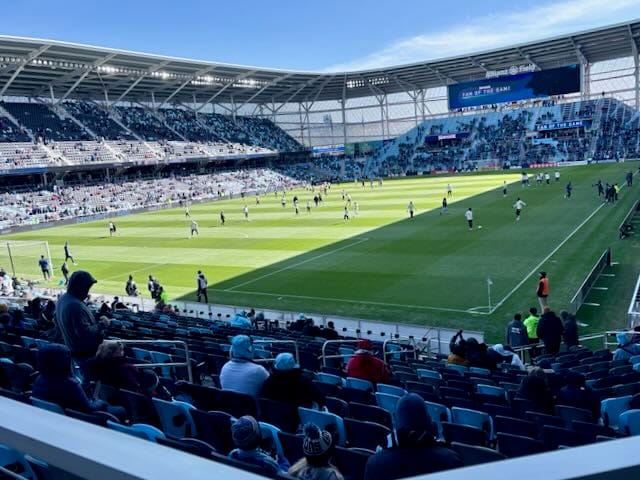
    These days, I’ve noticed that the same weather affects me differently. I attend fewer matches as temperatures drop, and this year I didn’t opt in for playoff tickets at all. It’s not that my passion for the team has faded far from it. It’s just that Minnesota’s fall weather is unpredictable. This unpredictability makes it hard to plan. I find it difficult to feel confident that I’ll be comfortable or safe. The wind cuts a little deeper now. The cold lingers a little longer.

    Supporting a team with an outdoor stadium like Allianz Field comes with that territory. Still, it’s made me think more about what “accessibility” really means. We often talk about it in physical terms, ramps, seating, transportation, and those things matter deeply.

    Accessibility can also mean something softer, more personal: being capable of participating fully without discomfort, fear, or exhaustion. Weather affects this aspect, particularly for fans with mobility challenges. It impacts those with chronic pain or other health conditions, making the cold more than just an inconvenience.

    For some fans, colder games are part of the charm. They enjoy layers of scarves and hands wrapped around coffee cups. There is a sense of endurance that becomes almost a badge of honor. But for others, it’s not that simple. The cold can turn joy into endurance, and that can change the whole experience.

    As I’ve grown and my needs have shifted, I’ve noticed some changes. I’ve started to see how sports, something built on togetherness, can sometimes overlook the quiet ways inclusion matters.

    The fan experience isn’t just about ticket sales. It isn’t solely about crowd energy either. It’s about whether everyone can share in those moments equally. That’s true for people of all kinds.

    This includes those experiencing changes due to age. It also includes people with disabilities, sensory needs, or simply changing bodies who experience the world differently than before. Accessibility isn’t one-size-fits-all, and weather adds another layer to that reality.

    I still love this sport, this team, and the community it builds. Soccer has been a steady thread through so many seasons of my life, literally and figuratively. But my relationship to it has evolved as I have. The same stands that once made me feel unstoppable now remind me to listen to my body. To respect its limits. To show up in ways that make sense for where I am now.

    If MLS does move to a fall–spring schedule, I hope clubs and stadiums will think creatively. They should consider what that means for all fans.

    Maybe that looks like expanding covered seating in some venues. It could also mean improving heat access. Or it could simply involve offering more understanding around accessibility options in cold weather. Sometimes inclusion begins with small acts. It could be a staff member who notices. It might be a space to warm up. Or it could be the willingness to ask, “What do you need to feel comfortable here?”

    For many of us, being a fan isn’t about braving the elements anymore. It’s about connection: to the game, to the people around us, and to ourselves. It’s about finding warmth in community, even when the temperature drops.

    Seasons shift, people change, and that’s okay. What matters most is finding warmth in the stands. We need warmth in the community. It is essential in the spaces that still make us feel like we belong.

  • Forever United: Reflections at Season’s End

    Forever United: Reflections at Season’s End

    As I write this, it’s the day after the final regular season home game. As the final whistle blew under the bright lights of Allianz Field, I felt that familiar mix of gratitude. I also felt nostalgia and quiet pride. The last regular season home game always carries a special weight. It’s more than just a match. It’s a celebration of everything we’ve shared over the months.

    Even though Minnesota United made it to the playoffs, I’ve decided not to get playoff tickets this year. The main reason is cost. I already struggle to afford the regular season. I am already making payments on my season tickets for the 2026 season. As much as I’d love to be there, I just couldn’t justify the extra expense.

    The other reason is the unpredictable Minnesota weather. As the years go on, I find myself less tolerant of the cold. We’ve been blessed with a warmer-than-usual fall. Still, there’s no guarantee it will stay that way. Sometimes practicality wins out, even when the heart wants otherwise.

    The Heart of the Game

    Soccer has always been more than just a game to me. It’s community, connection, and pure emotion wrapped into ninety minutes. Every season brings new stories, new faces, and new memories that stick with you long after the final whistle. This year was no different. I didn’t make it to as many matches as I’d hoped. Yet, the moments I did experience reminded me why I fell in love with this team. Those moments showed me what made this team special in the first place.

    Sometimes life has other plans. Sometimes disability makes things harder than they should be. There are days when energy fades, when logistics get tricky, when even passion has to wait its turn. But that’s okay. We do the best we can with what we’re given, and that’s something to be proud of too.

    The games I did make it to were nothing short of incredible. The roar of the crowd excites me. The rhythm of the chants energizes me. The pulse of the drums reminds me every time why I love this sport. There’s something almost sacred about being part of a crowd that breathes in unison. Hearts beat for the same goal. Voices rise together under a canopy of light.

    Surley’s Season

    Surley didn’t make it to as many games this year either — for a wide variety of reasons. There were days that were simply too cold, and others that were far too hot. Then there were nights like the last game, when they launched pyrotechnics. We’ve made a lot of progress on his fear of fireworks, and I didn’t want to risk a setback. Still, there were plenty of good moments. On a bright note, Surley did make an appearance on the jumbo screen this season. It was akin to what Dempsey did back in the day. A proud moment for both of us.

    Forever United

    Even when I can’t be there, my connection to this team doesn’t fade. It simply finds new ways to shine. Whether I’m watching from home, the love remains constant. It stays strong when I’m checking updates on my phone. I carry their spirit in my heart, unwavering.

    Because love for the game isn’t measured in seats filled or screens watched. It’s found in the stories we tell, the memories that linger, and the quiet hope that refuses to fade.

    It lives in the roar of the crowd that still echoes in your mind. You hear it in the rhythm of the chants you can’t help but hum. You feel the pride that stays with you long after the lights go out.

    Minnesota United is more than a soccer team. It’s a community and a shared heartbeat. It serves as a reminder that belonging can take many forms.

    Whether in the stands, at home, or cheering from the heart, I’ll always carry that unity with me.

    Go Minnesota United. Forever United. 💙🖤⚽

  • When School Safety Plans Leave Students Behind

    When School Safety Plans Leave Students Behind

    I wasn’t sure how much more I was going to say about the recent school shooting at Annunciation Catholic School. But then I stumbled across an article in the Minnesota Star Tribune, and it stopped me in my tracks.

    We practice drills in school—lock downs, tornado, fire—because safety matters. I remember those drills vividly from my own time in elementary school. My experience was never quite like my classmates’.

    During tornado drills, everyone crouched on the floor, arms covering their necks. Me? Still sitting upright in my wheelchair, because that was the safest option we had.

    Fire drills were even more complicated. I remember a specific instance when the alarm went off. No one was sure if it was a drill or the real thing. Elevators can’t be used in an actual fire, but that day, there wasn’t time to debate. A staff member just scooped me up and carried me down three flights of stairs. I sat on the grass outside without my chair until we got the all-clear.

    I applaud that staff member for their quick thinking in getting me out of the building. I also applaud the Annunciation staff. They pulled a student out of his wheelchair and shielded him with their bodies. Those moments were heroic—but they were also unplanned. They happened because people acted on instinct, not because the system had a clear, inclusive plan.

    The Hard Truth: Our Plans Have Gaps

    Yes, emergency procedures can be written into IEPs. Many do. But let’s be honest—you can’t plan for every scenario. Right now, too many schools are failing to plan for some of the most basic ones.

    Here’s the reality for students with disabilities:

    • They may not be able to flatten to the ground during a lock down.
    • They may not move as fast as their peers—or at all—when evacuating.
    • They may not cognitively understand what’s happening in the chaos and could unintentionally move toward danger.

    These are life-or-death gaps. And yet, they’re rarely talked about until tragedy strikes.

    What Minnesota Requires—and Where It Falls Short

    Minnesota law requires schools to have comprehensive emergency plans, and those plans are supposed to include students with disabilities. Best practices suggest:

    • Individual Evacuation Plans for students who need them
    • Accessible alerts for students with hearing or vision impairments
    • Specialized evacuation equipment, like stair chairs

    But in practice, these things don’t always happen. Many schools still:

    • Skip individualized drills because they’re time-consuming
    • Lack staff training for evacuating students with disabilities
    • Depend on instinct in emergencies, instead of clear systems

    That gap between policy and practice is dangerous—and it needs attention now.

    The Bigger Picture: Gun Violence and Safety for All

    I’ve said this before and I’ll say it again:

    • We need common-sense gun reform.
    • We need mental health screenings.
    • We do not need weapons of war on our streets.

    I support the Second Amendment. I support responsible gun ownership. But firearms designed to fire dozens of rounds in seconds have no place in civilian life. They exist for one purpose: destruction.

    Until laws change, we live in a reality where lock down drills and emergency plans are essential. That reality must include every student.

    What Needs to Happen Now

    We can’t just design safety for the majority and leave the minority behind. Here’s what schools should be doing now:

    • Individualized Safety Plans for every student with mobility, sensory, or cognitive disabilities
    • Regular drills that include students with disabilities (not afterthought drills)
    • Evacuation equipment and staff training to make sure no one is left behind
    • Collaboration with first responders so they know how to assist students with disabilities during real emergencies

    Why This Matters

    I hate writing about this. It breaks me to even think about it. But ignoring it won’t make it go away. These conversations matter because too often, we design for the majority and leave the rest to fend for themselves.

    It’s time to change that. Every student deserves a clear, safe path in an emergency. No exceptions.

    We can’t wait for another headline to have this conversation. Start it now—because safety should never be optional.

    What You Can Do Today

    • Ask your school if students with disabilities have individualized safety plans.
    • Talk to your school board about inclusive drills and evacuation equipment.
    • Advocate at the state level for stronger accountability and resources for schools.

    Resources for Parents and Advocates

  • Lost in Translation on the Bus

    Lost in Translation on the Bus

    The other night, I was waiting for the Minnesota United vs. Portland Timbers match to start on Apple TV. The screen hadn’t gone live yet, so there was the usual pregame placeholder: “The game will begin shortly.” Nothing revolutionary—except it wasn’t just in English. It was in multiple languages.

    Just a quiet, rotating message that said: “We see you. You’re included.”

    And it made me think—why don’t we do this everywhere?

    A Bus Ride I Won’t Forget

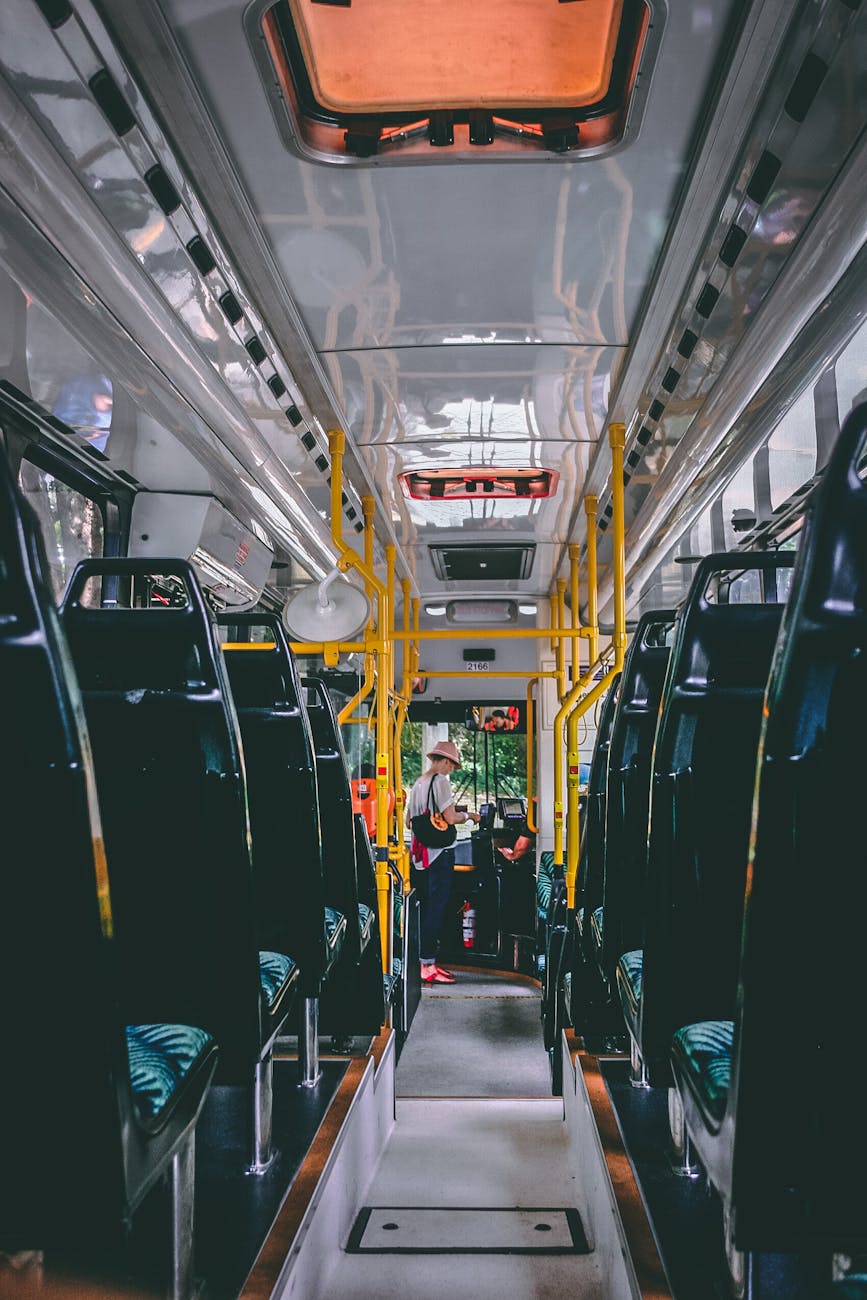
    Last week, I was riding the bus through Minneapolis. I noticed a woman with two young children. They were struggling to understand why the bus wasn’t stopping at the location she expected. She looked confused and increasingly distressed.

    From what I could tell, she didn’t speak English, or at least not fluently. She clearly didn’t understand the driver’s responses or the automated announcements. Her kids looked just as lost.

    This wasn’t a case of someone zoning out and missing their stop. This was a breakdown in communication—one that could’ve been avoided if our transit system acknowledged the city’s rich multilingual population.

    Minneapolis Isn’t Monolingual. So Why Is Our Transit System?

    Minneapolis is home to large Somali, Hmong, Spanish-speaking, Oromo, and Amharic communities. And yet Metro Transit, like most U.S. public transit systems, communicates primarily in English.

    Let’s be honest—who is that really serving?

    Apple TV can take the time to translate “the game will begin shortly” into multiple languages. They do this before a soccer match. Then surely a public transit system can do the same. It should help people trying to get to work, school, the grocery store—or just home.

    And it’s not like this is uncharted territory. In fact, transit systems around the world are already doing this better than we are.

    How It’s Done Around the World

    When I visited Canada, every single transit announcement I heard was in both English and French. Sure, those are the country’s official languages, but it’s still a prime example of how baked-in language access can be. It sends the message: You’re not an afterthought.

    Japan took it a step further leading up to the Tokyo Olympics. According to Kyodo News train stations across the country added signage and announcements In Japanese, English, Chinese, and Korean. This was not just for tourists, but for a globally connected population. They understood that access means everyone can navigate independently.

    And it’s not limited to subways. Airports across the world, from Europe to Asia, are far more likely to offer clear signage. They often provide multilingual signage compared to most American transit systems. That’s because in many places, multilingual infrastructure isn’t a novelty it’s the standard.

    This kind of inclusion isn’t just functional—it’s intentional. According to Modulex, signage is more than just instruction; it’s a message of belonging. And if the signs and announcements only speak one language, what message are we sending? the dominant language. So they build systems that reflect reality instead of ignoring it.

    Why Aren’t We Doing This?

    There are a few reasons you’ll hear tossed around:

    • Budget constraints. (“We can’t afford that.”)
    • Technical limitations. (“Our announcement system is too old.”)
    • Thinly veiled xenophobia. (“If you’re here, you should speak English.”)

    But let’s be real: those are excuses, not explanations. If we can add WiFi to buses, we can update a few audio files. If we can add QR codes to shelters, we can update digital displays.

    Multilingual signage and communication don’t just make things easier—they build trust. As House of Signs puts it, these tools “break barriers and bridge cultures.” They create spaces that feel safer. These spaces become more welcoming to everyone who uses them. trust. If people don’t feel seen or understood, they’re less likely to rely on a system that doesn’t work for them.

    What Needs to Change

    Here’s what Metro Transit—and any transit system—could start doing tomorrow:

    • Add bilingual announcements (English + Spanish) as the baseline.
    • Expand to include Somali, Hmong, and other locally relevant languages.
    • Use digital signage to rotate announcements visually in multiple languages.
    • Work with community partners to co-create solutions that work for real people not theoretical riders in a planning spreadsheet.

    Language Access Isn’t a Bonus It’s a Right

    That mom on the bus didn’t need a translator or a heroic bystander. She needed a system that saw her coming and made space for her to get where she was going.

    If we truly want to be a city that works for everyone, then we must include everyone. This includes the languages they speak, read, and understand.

    Let’s stop pretending that monolingual transit is good enough. It isn’t. We can improve. The first step might be as simple as saying, “The next stop is Lake Street…” in more than one language.

    Sources / Further Reading:

  • When the Seats Are Gone Before We Even Have a Chance: The Quiet Battle for ADA Accessibility at Concerts

    When the Seats Are Gone Before We Even Have a Chance: The Quiet Battle for ADA Accessibility at Concerts

    An article in the Star Tribune debated whether the 2025 Minnesota State Fair Grandstand lineup is “subpar” or just misunderstood. It had me thinking, but probably not in the way the author intended. The article focused on whether the lineup lives up to the musical reputation of the Fair, and honestly? I get the debate. Would I love to see a tier-one, stadium-filling act take the stage? Absolutely. But let’s be real—the Minnesota State Fair isn’t Live Nation. They’re not printing money behind the corn dog stand.

    This is a community-rooted event trying to appeal to a wide range of people with limited resources. And for what it’s worth, I think they’re doing a solid job. Minnesota is a musically rich state. It is home to Prince, Bob Dylan, and a thriving local scene. We still attract well-known, respected artists, which says a lot about our cultural pull.

    But while the debate rages about whether the lineup is exciting enough, I’m sitting here wrestling with a different question:

    Why can’t I even get in the door?

    This year, there was a show I was eagerly anticipating. It was Melissa Etheridge and the Indigo Girls. It sold out of ADA seating almost immediately. And when I say “immediately,” I mean lightning fast. No procrastination, no dragging my feet—I was there. I tried. But I still missed out.

    And this isn’t a one-time glitch. It happens again and again. If you’re a disabled person, trying to enjoy live music presents challenges. It often feels like your odds of getting a ticket are slim. In fact, it feels like they are almost none. And no one seems to be talking about it.

    Accessibility by the Numbers

    Let’s put it in perspective:

    • 1 in 4 Americans (26%) lives with a disability. (CDC)
    • Yet at many concert venues, fewer than 1–2% of seats are reserved as accessible.
    • A 2017 Government Accountability Office (GAO) report found that ADA ticket options are frequently resold. Venues rarely monitor whether those seats are being used appropriately. They also rarely check if the people using them actually need them.
    • Resale platforms (like StubHub or SeatGeek) generally do not verify disability status when ADA tickets are flipped. This creates a gray market. It further restricts legitimate access.

    ADA seats often disappear in the first few minutes of availability. This makes us wonder:

    • Were they sold to people with actual accessibility needs?
    • Were they grabbed by opportunists hoping to make a profit?

    The Bigger Problem

    It’s not just about fairness. It’s about dignity, equity, and inclusion. Being able to attend a concert—or a sporting event, or a theater performance—isn’t just entertainment. It’s part of participating in culture.

    And yet, the system is opaque at best, and exclusionary at worst. Many ticketing sites bury their ADA options behind unclear menus. Some require calling customer service (who has time to wait on hold for 45 minutes for one seat?). Others simply mark the tickets as “unavailable” without explanation. It’s frustrating. It’s disheartening. And it’s deeply isolating.

    What Needs to Change?

    Here’s what we should be asking of venues, ticketing platforms, and organizers:

    • Expand ADA seating capacity to better reflect the actual percentage of disabled people in the population.
    • Increase transparency around how many accessible seats are available and when they sell out.
    • Implement safeguards to reduce fraud and scalping—without violating privacy or dignity.
    • Design for inclusion from the beginning instead of retrofitting access as a checkbox.
    • Include disabled voices in planning and policy. Nothing about us, without us.

    What You Can Do:

    1. Observe and speak up. Notice how venues handle accessibility and don’t be afraid to call out poor design or treatment.
    2. Contact your local venues and fair organizers—let them know that ADA access isn’t optional.
    3. Support policy reform. Push for laws that improve ADA compliance and penalize misuse or scalping of accessible tickets.
    4. Amplify disabled voices. Share posts like this, read lived experiences, and help spread the word.

    Let’s Talk About It:

    I’d love to hear from others who’ve experienced this. Have you tried to get ADA tickets and hit a brick wall? Have you seen accessible seats taken by people who didn’t need them? What would you change?

    Drop your thoughts in the comments—let’s make this a conversation.

    Because live music should be for everyone. And that means we need to design systems that reflect that truth.

    Sources:

  • Writing What Moves Me

    Writing What Moves Me

    This was supposed to be just a Facebook post…

    I didn’t plan on writing this post.

    It started as a quiet, reflective moment. You realize just how much you’ve been writing lately. You start wondering why. Not just why you write, but why certain things strike that spark in the first place. Lately, it’s been the little things: a headline, a thought, an unexpected experience.

    Sometimes it’s something I’ve been chewing on for a while. Sometimes, it’s something that hits me in the moment. Either way, it always starts with curiosity and ends with a need to put it into words.

    From Flags to Elevators: Finding Meaning in the Everyday

    Last weekend, I read an article in the Star Tribune. It was about how some Minnesota cities are choosing not to fly the new state flag. That small decision triggered a lot of big questions for me: Why this flag? Why now? And why are local governments opting out? That led me to explore Minnesota’s flag history. More importantly, it prompted me to consider what symbols truly mean to the communities they are meant to represent.

     Flying Forward: Let’s Talk About the Flag Controversy

    During the same reading session, I came across another article. This one was about Elon Musk floating the idea of starting a third political party. Will he actually do it? I doubt it. But it opened up a much more interesting rabbit hole: what could a serious third party mean for the U.S.? Have we really been a two-party country forever? (Spoiler: not exactly.) I knew it wasn’t the post designed for clicks, but I wrote it anyway. Because it made me think.

    Not a Fan, Like the Plan

    Then came something a lot more personal. Jason got stuck in our apartment building elevator. In the basement. No way to get out. No easy way to communicate. That moment shook me, and not just because of the immediate concern for the person I love. I realized how fragile safety is when systems fail. It is easy for someone to be literally and metaphorically trapped without a voice.

    Trapped Without a Voice

    Time, Connection, and the Quiet Things

    A few days later, it hit me that the week was already flying by. I blinked, and it was suddenly Friday. When I was younger, time felt like it moved through molasses. These days, it barrels ahead like it’s trying to break a land speed record. It’s unsettling. But also a reminder: if we don’t stop and notice our days, we miss them completely.

    The Speed of Time

    And then there was my neighbor, John. I hadn’t seen him in a while, but I’d been thinking about him just the day before. He’s in his nineties. He is still sharp. He still tinkers with classic cars. He still carries that calm, measured way that reminds me so much of my grandfather. There’s a quiet connection there, the kind you can’t explain but feel all the same. It reminded me how relationships, even the subtle ones, shape us.

    A Quiet Reminder

    So… Why Do I Write?

    Because I need to.

    Not for clicks. Not for likes. Not to chase trends. I write because something stirs in me. The only way I know how to make sense of it is by turning it into a story. A question. A shared moment.

    I write to reflect. To connect. To offer something real.

    If even one person reads what I’ve written and feels seen, my purpose is fulfilled. If they become curious or feel a little less alone, I’ve accomplished what I came here to do.

    What about you?

    What little things have made you stop and think lately? What everyday moments have sparked something deeper?

    I’d love to hear.