Tag: Disability Advocacy

Covers efforts to promote the rights, dignity, and inclusion of people with disabilities. This includes policy discussions, personal experiences, activism, and initiatives aimed at breaking down barriers in society.

  • Apartment Hunting While Disabled: The Real Barriers

    Apartment Hunting While Disabled: The Real Barriers

    Where It Started

    I’ve lived in my current apartment for over 17 years now, the longest I’ve ever stayed anywhere. When I first moved in, I knew right away it was the place for me: big, spacious rooms and a huge window I fell in love with. But the truth is, this place didn’t come from careful searching and comparing options. It just happened to fall in my lap at the right time. And that’s not always how it goes.

    That’s the part I want to talk about, because it’s something a lot of people never have to think about: apartment hunting while disabled is a completely different process.

    The Missing Checkbox

    When you’re searching listings, there’s no checkbox or toggle switch that says “wheelchair accessible.” Some buildings will advertise “wheelchair access,” but that phrase can mean almost anything. It might mean you can get into the building. It might mean you can get into a unit. It doesn’t tell you whether that specific unit is actually accessible: whether it has a roll-in shower, whether the counters are low enough to roll under, whether the doorways are wide enough for your chair to fit through at all.

    You don’t find any of that out from a listing. You find it out by calling. By asking. By hoping whoever answers actually knows the details of the unit and isn’t just guessing. That’s the struggle I run into, and one I know a lot of other wheelchair users and people who use mobility aids run into too. It’s a lot of extra legwork for something that’s simple and easy for people without mobility issues. They can filter by price and location and move-in date and be done with it. We have to build in an entire extra layer of research just to find out if a place is livable for us at all.

    Why We’re Still Here

    That reality is a big part of why I’ve stayed put for 17 years even as my current apartment has started to show its age. Right now, as I’m writing this, it’s 81° in here and 77° outside. Every year around lease renewal time, I think about looking for somewhere new. And every year, I come up empty, because I haven’t found anywhere else that checks all the boxes this place does: wide doorways, a roll-in shower, room to get under the kitchen counter. Those aren’t extras for me. They’re the baseline for whether a place is even usable.

    Add cost on top of that. Our rent with utilities runs somewhere between the high $1,500s and low $1,600s, and accessible units aren’t exactly common at that price point, or at any price point, really. So even when I do work up the will to look, the pool of options I’m choosing from is tiny compared to what a non-disabled renter would see for the same budget and the same city.

    Location Isn’t Just a Preference

    Beyond accessibility inside the unit itself, there’s the question of where that unit sits. For us, location isn’t just a nice-to-have, it’s practically its own accessibility issue.

    I work in downtown St. Paul, so an easy commute matters a lot to me. It matters just as much for Jason, who is deaf and has low vision. Living downtown means he can navigate the community easily, with everything he needs close and reachable. If we moved further out toward the edges of Minneapolis, ease of getting around could become a real problem for both of us.

    One thing I don’t think about often enough until winter hits: downtown is mostly businesses and apartment buildings, and snow removal here is prompt. That’s not always true further out, where clearing sidewalks often falls on individual residents who have jobs and lives of their own and aren’t always quick about it. For someone using a wheelchair, an unshoveled sidewalk isn’t an inconvenience. It’s a wall.

    Jason has told me that moving out to the suburbs or the outskirts of Minneapolis would likely leave him feeling isolated, since there just isn’t much around to access on his own. He’d also probably have to give up his job at U.S. Bank Stadium since the commute and the late-night hours would be too hard to manage. Right now, when either of us works a shift there, it’s a six block walk. Simple, manageable, doable in almost any weather. Move away from the downtown core, and that gets a lot harder for both of us. Honestly, if we left downtown, I’d almost certainly give up that job myself, though since I only work it once every three or four months, that loss would sting a lot less for me than it would for him.

    Looking Ahead: Driving and Parking

    There’s one more piece to this that’s been on my mind lately, and it’s a little different from everything above because it’s not about moving. It’s about staying and what needs to change if I do.

    I’m currently in the process of getting my driver’s license, and down the road, I’m looking at getting a wheelchair accessible van. That’s exciting, but it’s also made me start paying a lot closer attention to something I hadn’t thought much about before: parking.

    At my current building, I’ve noticed people parking in the access aisle, the striped-off space next to an accessible spot that’s supposed to stay clear so a wheelchair user has room to load and unload. Every so often, someone parks in the handicap spot itself without a permit. Right now that’s an annoyance. Once I actually own an accessible van, it stops being an annoyance and becomes a real problem, because that access aisle is the difference between being able to get my chair in and out of the vehicle or not.

    I honestly don’t know yet what the parking garage situation looks like for accessible spots, how many there are, how they’re monitored, or how seriously it’s enforced. As far as I can tell, the garage doesn’t actually have any handicap parking at all, which means that’s a separate conversation I’ll need to have with management.

    I have already brought up the access aisle issue with management, and I haven’t heard back. It’s still happening. Cars parked in the aisle, no response, no fix. That’s frustrating on its own, and it doesn’t exactly build confidence about how a future conversation about garage accessibility would go. This has genuinely become a factor in the “stay or go” decision, right alongside accessibility, cost, and location.

    It also ties back into the location question from earlier. If we ended up moving to the outer ring of Minneapolis or out to the suburbs, I’d likely become a lot more reliant on driving myself and on Jason driving, instead of being able to walk or roll most places the way we do now. Which means parking access, both at home and everywhere else we’d need to go, would matter even more than it already does.

    Necessities vs. Nice-to-Haves

    There’s another layer to all of this that I keep turning over in my head: the difference between what I need and what I want.

    Wheelchair accessibility isn’t negotiable. That one’s not up for debate. But beyond that baseline, I have a whole list of “would be nice” items. A second bedroom. A washer and dryer in the unit instead of a shared laundry room. A balcony or a patio. Those are perks, not necessities, and I know it.

    The problem is that most wheelchair accessible units aren’t going to check all of those boxes. Accessible units are already a small slice of what’s out there, so once you start layering on extra wants, that slice gets even smaller. Which raises a real question: would I be willing to give up some of those nice-to-haves for the sake of finding something that’s actually wheelchair accessible? Almost certainly, yes.

    But it also raises a harder question, one I don’t love sitting with: would I be willing to compromise on some of the necessities instead? Would I settle for a unit that’s only partially accessible if it meant I finally got a balcony or an in-unit washer? I don’t think I have an answer to that yet, and honestly, I’m not sure I want to find out the hard way.

    Lots of Questions, Not Many Answers

    So we’re kind of stuck. I think what we need to do is head into winter and really sit down to figure things out. Do we actually want to move? Can we afford to? If we did move, where would we even go, and what would we be looking for? Would we be willing to give up some of the roughly 750 square feet we have now for a better location or better features?

    I don’t have this figured out yet. But I do know that whatever we decide, the search itself is going to take a lot more calls, a lot more questions, and a lot more patience than it would for most people. For us, “accessible” and “livable” and “close to everything” all have to line up at once, and that’s a much smaller circle than most renters ever have to think about.

    Have You Been Through This?

    I’d love to know I’m not the only one wrestling with this. If you use a wheelchair or another mobility aid, how did you go about finding your current place? Did you have a system for vetting units before wasting time on a tour that turned out to be a dead end? Are there resources, websites, or local organizations that actually helped you cut through the guesswork?

    I know accessible housing resources exist out there, but I haven’t found one yet that felt built for someone in my exact situation, balancing accessibility, affordability, and location all at once. If you’ve found something that worked for you, or if you’re in the middle of this same search right now, I’d genuinely like to hear about it. Drop a comment or reach out. Let’s compare notes.

  • An Adventure in Getting Home

    An Adventure in Getting Home

    The commute home was an adventure, and it started before I even left work.

    Paper Over the Button

    Just this morning, my office installed an automatic door, so all I have to do is push a button to get in and out. Well, almost. When they installed it, they told me that for now I’d have to push the button and turn the handle, because the button isn’t set up to work with our security lock yet. The door won’t unlatch automatically, so I have to trigger the latch manually.

    I don’t know what happened, but on my way out I discovered someone had put a piece of paper over the button no note, no explanation. That made it extremely difficult for Surley to push it, so I had to do it myself. If it’s still there tomorrow morning, I’m taking a picture and sending it to my supervisor and our ADA specialist to investigate.

    A Good Conversation at the Bus Stop

    While I was waiting for the bus, I had a nice chat with a gentleman who trained service dogs while he was in prison. Can Do Canines, the organization I got my service dogs through, has used prisons in both Minnesota and Wisconsin to train their dogs. He didn’t say where he trained or which dogs, but it was great to hear about a formerly incarcerated person having a life-altering experience working with service dogs.

    The Stroller in the ADA Seating

    The bus was a little crowded when we got on, and there was a stroller parked in the ADA seating across from me. Unfortunately, Metro Transit allows this instead of asking the parent to fold up the stroller and hold their child. I truly believe this is a disservice to everyone who needs those dedicated spaces. Being a mother doesn’t make you more special or more deserving of seating specifically designated for people with disabilities or limited mobility.

    The wheelchair seating on Metro Transit buses is a little cramped, and Surley is a larger dog, so keeping him fully inside the designated ADA area is sometimes a challenge. He’ll often lie in the aisle, and I move him as needed when people have to get through. Usually this is not a big deal. This time, though, the mom across from me was throwing a hissy fit because she thought Surley was bumping into her stroller. I did everything I could to keep him away from it, and from where I sat he may have been brushing the stroller, but he was clearly not bumping it. She was getting loud and upset, and I was thankful we were getting off at the next stop because if she had laid a hand on him, I would have immediately called the police. In the state of Minnesota, it is a crime to harm a service dog or interfere with its ability to do its job (Minn. Stat. § 343.21, subd. 8a) — and depending on the harm done, it can be charged as a felony.

    The Walk Home

    The adventure continued on the walk home from the bus stop. Surley had to poop, and he has a talent for picking the wrong time and place — this time, right in front of a nearby apartment building’s parking garage entrance. I try to be a good dog owner and clean up after him, but as I was picking it up, a car pulled up trying to get into the garage. I moved out of the way, and then a second car came out of the garage and ran right over the poop. Oh well. I tried to be a good person.

    We were just feet from our building when a man came down the sidewalk with his dog — WITHOUT a leash. I pulled Surley to the edge of the sidewalk and put myself between him and the other dog. Even frazzled from the events of the walk home, I kept my calm and informed the man that his dog needed to be on a leash. He didn’t seem to care. But I knew that if his dog came after Surley, I was going to run it over with all 400 pounds of my wheelchair. And Minnesota law is on my side here: if you let your dog run uncontrolled and it harms a service animal, that’s a crime (Minn. Stat. § 609.226, subd. 4) — and the court must order you to pay restitution covering not just the vet bills, but the handler’s lost income, transportation, temporary replacement services, and even the cost of replacing or retraining the dog.

    The rest of the evening, thankfully, was uneventful.

    Your Turn

    Service dog handlers: have you ever had to defend your dog’s space — on the bus, on the sidewalk, or anywhere else? And if you don’t use a service dog, did you know these protections existed? Tell me about it in the comments — I’d love to hear how you’ve handled these moments.

  • When the Bus Doesn’t Pull Up: Advocating from the Back of the Bus

    When the Bus Doesn’t Pull Up: Advocating from the Back of the Bus

    So this actually happened last Saturday, and I’m just now sitting down to write about it because life has a way of doing that. But it’s been living rent-free in my head all week, so here we go.

    Jason and I went to the Minnesota United game. Simple enough, right? Except it wasn’t.

    The green line was down for maintenance, so Metro Transit had shuttle buses running between downtown Minneapolis and downtown St. Paul. Shuttles on game days tend to get packed, so we decided to skip it and just take the 94. I take the 94 to work most days. I know the 94. The 94 and I are old friends.

    Or so I thought.

    Going: When the Bus Just… Doesn’t

    When the 94 pulled up to our stop, it didn’t actually pull up. It stopped in the street. The driver leaned out and shouted that he was full, that he couldn’t accommodate me.

    Does that happen? Yes. Is there much I can do about it in the moment if a driver says the bus is full? Not really. So I took him at his word. Everyone else at the stop stepped off the curb and boarded. Jason and I watched the bus go.

    We ended up taking the green line shuttle after all. We made it to Allianz Field just in time for kickoff. I was a little annoyed, but the game was good, and I shook it off. Soccer helps.

    Coming Home: A Different Story

    After the game, I figured the shuttle would be the easy option heading back. It was not easy.

    The shuttle loading area was right next to where a CVS had been torn down a few weeks earlier. Construction barricades were everywhere, and they were blocking the sidewalk. I couldn’t get through. I couldn’t load onto the shuttle. Just like that, the “easy” option was off the table.

    Since I don’t usually take the 94 from downtown St. Paul, I wasn’t entirely sure where it picked up. Cue some finagling, some frustration, and, honestly, a little aggravation on Jason’s part too. But we found it.

    This Time, I Spoke Up

    Here’s where it got interesting. The same scenario played out: the bus wasn’t pulled to the curb. But this time, I decided to speak up. A little louder. A little more firmly.

    The driver seemed to think I was just going to hop off the curb into the street. Power wheelchairs do not hop curbs. A few people nearby offered to lift me. They meant well, genuinely. I politely declined. One wrong move and someone gets hurt, I get hurt, or my chair gets damaged. None of those are great outcomes.

    The driver eventually maneuvered the bus to the curb and loaded me on. I don’t know if he was having a rough day. Game days are chaotic, the green line was down, and everyone was stressed. I get it. But it still needed to happen, and it happened because I asked for it to happen.

    Oh, and then the bus had a mechanical issue and had to pull off on the freeway. Which has genuinely never happened to me in all my years of riding Metro Transit. So that was a thing.

    Even Advocates Need a Nudge Sometimes

    Here’s what I keep coming back to: even those of us who do this work, who talk about disability rights, who know our rights, who have the language, sometimes freeze up in the moment. Sometimes we’re tired. Sometimes we’re just trying to get home after a long day and we don’t want to make it a whole thing.

    I needed a gentle nudge from Jason to speak up on the way home. And that’s okay. Advocacy isn’t a switch you flip on and it stays on forever. It takes energy. And sometimes it takes a partner, literally or figuratively, reminding you that you’re allowed to take up space.

    Even if that space is at the back of the bus, waiting for the driver to pull six feet closer to the curb.

    We got home. Minnesota United lost 0-1 to LAFC. And I’m still thinking about that ride.

    Have you ever frozen up in a moment when you knew you needed to speak up? What helped you find your voice?

    As for today: no bus rides on the agenda. Minnesota United is playing the Columbus Crew in Columbus tonight at 6:30, so I’ll be watching from the couch.

    Good thing too, because Metro Transit is doing more maintenance on the green line this weekend. Shuttle buses again. I’ll be staying home, thanks.


  • You Only See a Snapshot: That’s Not Enough to Judge

    You Only See a Snapshot: That’s Not Enough to Judge

    Scroll through Facebook on any given day and you’ll find it: a parent sharing a moment with their child, and buried in the comments, a pile-on. Someone calling them lazy. Someone asking why they haven’t “fixed” it yet. Someone offering unsolicited advice wrapped in thinly veiled judgment.

    It happens constantly in disability parenting spaces. And it needs to stop.


    The People I Follow And Why This Matters to Me

    I want to be clear upfront: I follow a lot of autistic people and autism families on Facebook, and I do it because they’re genuinely worth following. The autistic people I know personally are cool, funny, thoughtful, and totally normal.

    They are just navigating a world that wasn’t really designed with them in mind. The families I follow online are doing the same: showing up every day for their kids, sharing the good moments and the hard ones, and being more honest about their lives than most people are willing to be.

    Some of those families have kids with severe autism. And some of those kids are in diapers or pull-ups. When I see that, I don’t see failure. I see a family that’s figured out what works.

    When strangers on the internet see it, sometimes the reaction is very different.

    What People Don’t Understand About Severe Autism and Potty Training

    Potty training isn’t just about learning a habit. It involves sensory awareness, the ability to recognize and interpret body signals, motor coordination, communication, and the executive function to stop what you’re doing and act on that signal in time. For kids with severe autism, any or all of those pieces may be genuinely, neurologically difficult, not because no one tried, but because the wiring works differently.

    For some kids, traditional potty training isn’t a realistic goal at least not on anyone else’s timeline, and maybe not ever in the conventional sense. Pull-ups and diapers in those cases aren’t a sign that parents gave up.

    They’re often the result of years of trying, working with therapists, adjusting approaches, and ultimately landing on what actually preserves the child’s dignity and the family’s ability to function.

    When someone fires off “have you even tried potty training them?” in the comments. They’re not helping. They’re showing how little they understand about what that family has already been through.

    Pull-ups and diapers aren’t a sign that parents gave up. They’re often the result of years of trying, working with therapists, and ultimately landing on what actually works.

    I Have Some Skin in This Game, Too

    I’m not writing this from the outside looking in. I have cerebral palsy. CP affects muscle coordination and spasticity throughout the body, and for me, that includes my bladder.

    What that looks like in real life: there’s sometimes no gradual warning. One moment everything is fine. The next, my bladder is spasming and I have a very short window, sometimes no window, to get to a bathroom. It’s not a matter of planning better or paying more attention.

    That’s just how spasticity works.

    So yes, I use pull-ups. It’s practical. It’s smart. I’ve made my peace with it and I truly don’t care what anyone thinks.

    I’m sharing this not to make the post about me, but because I want to be honest: I understand something about making practical choices around a body that doesn’t always cooperate. And I understand what it feels like to have those choices be nobody’s business but your own.

    You’re Only Seeing a Snapshot

    Social media gives you a moment. One frame from a film that’s been running for years.

    You don’t see the context. You don’t see what was tried before. You don’t see the appointments, the therapy sessions, the late-night research, the hard conversations, the small victories that don’t look like anything to the outside world but meant everything to that family. You don’t see the grief, or the resilience, or the way a parent has quietly rewritten their definition of progress a hundred times over.

    What you see is one post. One photo. One moment.

    And yet that’s enough for some people to render a verdict.

    What to Do Instead

    This isn’t complicated. It just takes some intentional effort:

    • Pause before commenting. Ask yourself: does this person need my input, or did they just share something from their life?
    • Ask instead of assuming. If you genuinely don’t understand something, curiosity is more useful than criticism.
    • Believe people when they say something is hard. You don’t have to fully understand a situation to respect that someone is doing their best in it.
    • Amplify instead of critique. If you see a disability parent or a disabled person sharing their reality honestly, share it. Normalize it. Help build a space where people feel safe being real.

    The World Could Use More of This

    My original thought was simple: if there were more people willing to support instead of judge, the internet — and honestly, the world — would be a better place.

    I still believe that. Disability doesn’t come with a handbook, and every family’s path — every person’s path — looks different. The least we can do is show up with some grace for the moments we don’t fully understand.

    You only see a snapshot. Make sure the story you’re telling yourself about it is worth telling.


    Written by someone who knows this isn’t theoretical. 💙

  • Training for a New Winter Olympic Game (Apparently)

    Training for a New Winter Olympic Game (Apparently)

    Winter has officially came back to Minnesota which means one thing: absolutely nothing is predictable.

    This morning, I confidently took the dog down the driveway for his usual morning bathroom break. The descent? Smooth. Controlled. Graceful, even. I briefly considered that I might have a future in the Winter Games.

    The return trip, however, was less inspirational documentary and more blooper reel.

    Halfway up the hill, my wheelchair wheels began spinning with great enthusiasm and zero productivity. Snow spraying. No traction. Dog already finished with his event and waiting at the top like an unimpressed judge.

    In that moment, it felt like I was personally qualifying for the uphill event at Winter Games in Milano-Cortina.

    However, instead of international glory, I was competing against three inches of fresh Minnesota chaos.

    The thing about winter here is that it doesn’t gently arrive. It shows up overnight, rearranges your plans, and turns a simple dog outing into an endurance sport.

    In hindsight, I could have waited until the snow stopped.
    I could have waited for the hill to be cleared.

    But where’s the Olympic spirit in that?

    Gold medal in effort.
    Silver in spinning.
    Bronze in decision-making.

    And it’s only February.

  • When School Safety Plans Leave Students Behind

    When School Safety Plans Leave Students Behind

    I wasn’t sure how much more I was going to say about the recent school shooting at Annunciation Catholic School. But then I stumbled across an article in the Minnesota Star Tribune, and it stopped me in my tracks.

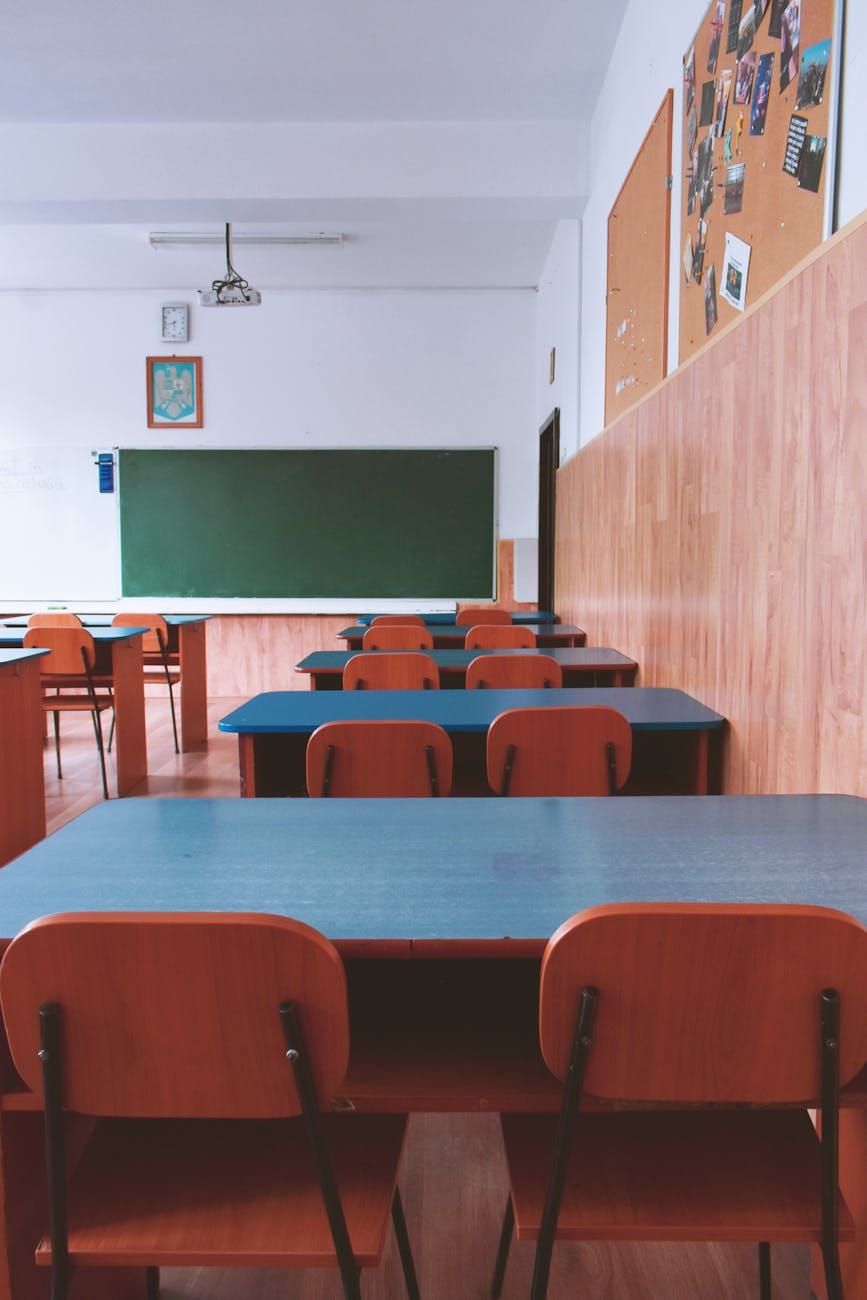
    We practice drills in school—lock downs, tornado, fire—because safety matters. I remember those drills vividly from my own time in elementary school. My experience was never quite like my classmates’.

    During tornado drills, everyone crouched on the floor, arms covering their necks. Me? Still sitting upright in my wheelchair, because that was the safest option we had.

    Fire drills were even more complicated. I remember a specific instance when the alarm went off. No one was sure if it was a drill or the real thing. Elevators can’t be used in an actual fire, but that day, there wasn’t time to debate. A staff member just scooped me up and carried me down three flights of stairs. I sat on the grass outside without my chair until we got the all-clear.

    I applaud that staff member for their quick thinking in getting me out of the building. I also applaud the Annunciation staff. They pulled a student out of his wheelchair and shielded him with their bodies. Those moments were heroic—but they were also unplanned. They happened because people acted on instinct, not because the system had a clear, inclusive plan.

    The Hard Truth: Our Plans Have Gaps

    Yes, emergency procedures can be written into IEPs. Many do. But let’s be honest—you can’t plan for every scenario. Right now, too many schools are failing to plan for some of the most basic ones.

    Here’s the reality for students with disabilities:

    • They may not be able to flatten to the ground during a lock down.
    • They may not move as fast as their peers—or at all—when evacuating.
    • They may not cognitively understand what’s happening in the chaos and could unintentionally move toward danger.

    These are life-or-death gaps. And yet, they’re rarely talked about until tragedy strikes.

    What Minnesota Requires—and Where It Falls Short

    Minnesota law requires schools to have comprehensive emergency plans, and those plans are supposed to include students with disabilities. Best practices suggest:

    • Individual Evacuation Plans for students who need them
    • Accessible alerts for students with hearing or vision impairments
    • Specialized evacuation equipment, like stair chairs

    But in practice, these things don’t always happen. Many schools still:

    • Skip individualized drills because they’re time-consuming
    • Lack staff training for evacuating students with disabilities
    • Depend on instinct in emergencies, instead of clear systems

    That gap between policy and practice is dangerous—and it needs attention now.

    The Bigger Picture: Gun Violence and Safety for All

    I’ve said this before and I’ll say it again:

    • We need common-sense gun reform.
    • We need mental health screenings.
    • We do not need weapons of war on our streets.

    I support the Second Amendment. I support responsible gun ownership. But firearms designed to fire dozens of rounds in seconds have no place in civilian life. They exist for one purpose: destruction.

    Until laws change, we live in a reality where lock down drills and emergency plans are essential. That reality must include every student.

    What Needs to Happen Now

    We can’t just design safety for the majority and leave the minority behind. Here’s what schools should be doing now:

    • Individualized Safety Plans for every student with mobility, sensory, or cognitive disabilities
    • Regular drills that include students with disabilities (not afterthought drills)
    • Evacuation equipment and staff training to make sure no one is left behind
    • Collaboration with first responders so they know how to assist students with disabilities during real emergencies

    Why This Matters

    I hate writing about this. It breaks me to even think about it. But ignoring it won’t make it go away. These conversations matter because too often, we design for the majority and leave the rest to fend for themselves.

    It’s time to change that. Every student deserves a clear, safe path in an emergency. No exceptions.

    We can’t wait for another headline to have this conversation. Start it now—because safety should never be optional.

    What You Can Do Today

    • Ask your school if students with disabilities have individualized safety plans.
    • Talk to your school board about inclusive drills and evacuation equipment.
    • Advocate at the state level for stronger accountability and resources for schools.

    Resources for Parents and Advocates

  • When the Seats Are Gone Before We Even Have a Chance: The Quiet Battle for ADA Accessibility at Concerts

    When the Seats Are Gone Before We Even Have a Chance: The Quiet Battle for ADA Accessibility at Concerts

    An article in the Star Tribune debated whether the 2025 Minnesota State Fair Grandstand lineup is “subpar” or just misunderstood. It had me thinking, but probably not in the way the author intended. The article focused on whether the lineup lives up to the musical reputation of the Fair, and honestly? I get the debate. Would I love to see a tier-one, stadium-filling act take the stage? Absolutely. But let’s be real—the Minnesota State Fair isn’t Live Nation. They’re not printing money behind the corn dog stand.

    This is a community-rooted event trying to appeal to a wide range of people with limited resources. And for what it’s worth, I think they’re doing a solid job. Minnesota is a musically rich state. It is home to Prince, Bob Dylan, and a thriving local scene. We still attract well-known, respected artists, which says a lot about our cultural pull.

    But while the debate rages about whether the lineup is exciting enough, I’m sitting here wrestling with a different question:

    Why can’t I even get in the door?

    This year, there was a show I was eagerly anticipating. It was Melissa Etheridge and the Indigo Girls. It sold out of ADA seating almost immediately. And when I say “immediately,” I mean lightning fast. No procrastination, no dragging my feet—I was there. I tried. But I still missed out.

    And this isn’t a one-time glitch. It happens again and again. If you’re a disabled person, trying to enjoy live music presents challenges. It often feels like your odds of getting a ticket are slim. In fact, it feels like they are almost none. And no one seems to be talking about it.

    Accessibility by the Numbers

    Let’s put it in perspective:

    • 1 in 4 Americans (26%) lives with a disability. (CDC)
    • Yet at many concert venues, fewer than 1–2% of seats are reserved as accessible.
    • A 2017 Government Accountability Office (GAO) report found that ADA ticket options are frequently resold. Venues rarely monitor whether those seats are being used appropriately. They also rarely check if the people using them actually need them.
    • Resale platforms (like StubHub or SeatGeek) generally do not verify disability status when ADA tickets are flipped. This creates a gray market. It further restricts legitimate access.

    ADA seats often disappear in the first few minutes of availability. This makes us wonder:

    • Were they sold to people with actual accessibility needs?
    • Were they grabbed by opportunists hoping to make a profit?

    The Bigger Problem

    It’s not just about fairness. It’s about dignity, equity, and inclusion. Being able to attend a concert—or a sporting event, or a theater performance—isn’t just entertainment. It’s part of participating in culture.

    And yet, the system is opaque at best, and exclusionary at worst. Many ticketing sites bury their ADA options behind unclear menus. Some require calling customer service (who has time to wait on hold for 45 minutes for one seat?). Others simply mark the tickets as “unavailable” without explanation. It’s frustrating. It’s disheartening. And it’s deeply isolating.

    What Needs to Change?

    Here’s what we should be asking of venues, ticketing platforms, and organizers:

    • Expand ADA seating capacity to better reflect the actual percentage of disabled people in the population.
    • Increase transparency around how many accessible seats are available and when they sell out.
    • Implement safeguards to reduce fraud and scalping—without violating privacy or dignity.
    • Design for inclusion from the beginning instead of retrofitting access as a checkbox.
    • Include disabled voices in planning and policy. Nothing about us, without us.

    What You Can Do:

    1. Observe and speak up. Notice how venues handle accessibility and don’t be afraid to call out poor design or treatment.
    2. Contact your local venues and fair organizers—let them know that ADA access isn’t optional.
    3. Support policy reform. Push for laws that improve ADA compliance and penalize misuse or scalping of accessible tickets.
    4. Amplify disabled voices. Share posts like this, read lived experiences, and help spread the word.

    Let’s Talk About It:

    I’d love to hear from others who’ve experienced this. Have you tried to get ADA tickets and hit a brick wall? Have you seen accessible seats taken by people who didn’t need them? What would you change?

    Drop your thoughts in the comments—let’s make this a conversation.

    Because live music should be for everyone. And that means we need to design systems that reflect that truth.

    Sources:

  • Trapped Without a Voice: Elevator Safety for DeafBlind Residents

    Trapped Without a Voice: Elevator Safety for DeafBlind Residents

    Surley and I had quite the eventful morning.

    We started off with our usual walk through downtown Minneapolis and along the Loring Greenway. It was a beautiful day. We stretched our legs a little further and wandered through Loring Park. It looks strikingly different without the usual Pride festivities filling every inch.

    Then we crossed the Irene Hixon Whitney pedestrian bridge over Interstate I-94, Hennepin Avenue, and Lyndale Avenue. I stopped to snap a picture of Surley, who was looking particularly dashing in the breeze.

    Surley on the bridge.

    We entered the Sculpture Garden after rolling off of the bridge. This brought on a wave of memories. I remembered the time my Aunt Kate took my sister and me there one summer during a visit. She capped the trip off with Sebastian Joe’s ice cream, which triggered an instant craving. Nostalgia always knows where your sweet tooth lives.

    It had been a few years since I’d been there so I looked up the address on their website. I discovered they had affogato on the menu, espresso over ice cream, and that was it. We were going.

    After a few minor detours thanks to road construction in the area, classic Minnesota summer, we made it. I ordered affogato with chocolate peanut butter ice cream. Unexpectedly bold and delightful. Then I spotted the chocolate chip cookies and, well, you know how that goes.

    Chocolate, peanut butter, espresso is a deliciously dangerous combination.

    Cue: emergency mode.

    So there I was cookie in one hand, affogato in the other, soaking in the calm of a summer morning…

    …and then my phone buzzed.

    “help i am stuck in elevator”

    At first I was a little confused. It was random and out of the blue. I sent a follow up message seeking clarification. When I didn’t get a response, I sent another message. After not hearing back for about five minutes, I started to get worried. This was outside of his normal behavior.

    Jason managed to send another message with a few more details. He was stuck between the basement and first floor of our apartment building, where cell signal was weak. The elevator’s emergency call box was no help—unsurprising, given that he’s Deaf and has low vision.

    He also sent a brief video. From that, I called 911 and explained the situation: a Deaf and low vision person was trapped in an elevator. I let them know the office was closed and no one was answering the phone. Thanks to the video, I could tell the dispatcher exactly which elevator he was in and where it had stopped.

    Quick PSA: Many counties in Minnesota, including Hennepin, support text-to-911. It’s a good choice for folks who can’t speak or hear during emergencies. But not everyone knows it’s available, and it doesn’t always work well underground.

    Once help was on the way, I woke Surley from his nap on the cool tile floor and jogged home.

    Surley napping on the cool tile floor at Sebastian Joe’s.

    Poor Surley, tongue lolling and tail wagging, worked hard to keep pace. He trotted beside me as we walked home at mach 10 like a champ.

    By the time we returned, Jason had just gotten out with help from the fire department. He was headed to the store with a friend. He was okay: hot, sweaty, but safe.

    Afterwards

    Later, we sat down. We talked through everything that had happened. The more I heard, the more disturbing the story became.

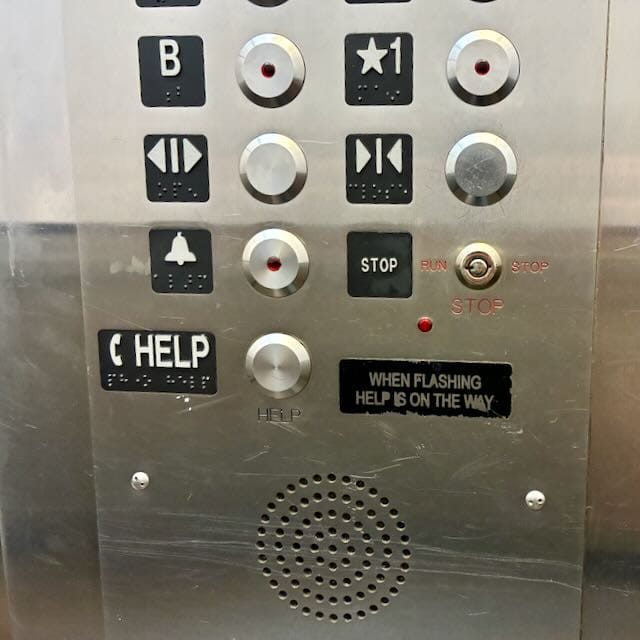
    Jason had taken the elevator down to grab some things from his storage unit. When it stopped in the basement, the doors didn’t open. He tried hitting the “door open” button. Nothing. He attempted to go back up to the first floor. He swiped his fob for access to his floor. Still nothing.

    Because of his low vision, he had trouble seeing what floor the elevator thought it was on. There were no audible cues. He pressed the emergency “help” button. He wasn’t sure whether it activated. The indicator was too small and hard to see. He backed up further and got on his knees. Only then was he able to see the blinking red light. He used text-to-speech on his iPhone. He said, “I’m Deaf, stuck in elevator.”

    He also tried live captioning on his phone to transcribe the audio from the speaker. He hoped it would tell him that someone was on the line. No matter where he placed his phone nothing came through clearly enough to be transcribed into words. Even though he is deaf, he can hear static and muffled sounds when using his hearing aids. However, he cannot make out words in detail.

    He stayed surprisingly calm, even though his hands were shaking, which made texting and filming difficult. He immediately noticed somewhat bright yellow light just below the floor display. It was a fire dept override. This reassured him that the fire department was here. It put him at ease that they were working to get him out.

    Eventually, the fire department and an elevator tech arrived and got the doors open. Jason had to step up about a foot to climb out: hot, rattled, and understandably frustrated. But he was, in his own words later, “unfazed.” (Though I think he was being generous with himself.)

    Surley resting in the AC after the day’s events.

    After the dust settled, I spoke with our apartment manager.

    I explained why I called 911. They told me I should’ve left a message on the office line. They assured me they would have responded promptly.

    Now look I get the desire for tenants to follow procedure. But here’s the thing: there was no one in the office. No one answered the phone. The voicemail simply said, “Leave a message for maintenance emergencies.”

    This wasn’t a dripping faucet. A Deaf and low vision resident was stuck in a sealed metal box. There was no clear way for him to call for help. He was starting to overheat. I wasn’t about to wait and hope someone checked their voicemail.

    If I hadn’t answered his text message what would’ve happened? How long would Jason have waited?

    He pushed the “help” button in the elevator. He was using text-to-speech to relay a message. Did the dispatcher realize they were speaking to someone who couldn’t hear them? Was the dispatcher aware of the communication barrier? Did they think it was pressed by accident? Would they have done anything?

    I didn’t want to find out the hard way. So I called 911. And I’d do it again.

    But it raises some real concerns.

    People with disabilities are often left out of emergency planning. Even when the systems are technically in place, they don’t always work when you truly need them. This includes systems like text-to-911 and live captions.

    WWYD (What Would You Do?)

    So, I pose this question to you:

    If you were in my shoes…
    Would you have called 911?
    Would you have left a voicemail and waited?
    Would you have done something else?

    Let me know in the comments. If you live in an apartment building, especially one with older elevators, take a minute. Check what your emergency plan looks like. Talk to your neighbors. Learn your options.

    Because accessibility shouldn’t depend on luck. It shouldn’t hinge on a single person being available to answer a phone. It should be built in — thoughtfully, thoroughly, and proactively.

    Call to Action

    If you didn’t know about text-to-911, now you do. Check your local county’s website to confirm it’s available where you live. Share this post with someone who might not be aware. Accessibility starts with awareness.

    Resources

  • Independence for Whom? Reflecting on the Fourth of July in 2025

    Independence for Whom? Reflecting on the Fourth of July in 2025

    It’s the Fourth of July, 2025. Across the country, grills are sizzling, boats are cruising, and coolers are cracking open. The night skies will soon erupt in fireworks. For most Americans, this holiday means freedom, family, and summer fun.

    But I’ve gotten older. Our country has grown louder, more divided, and frankly, more dangerous. And lately, a question keeps echoing in my mind: What does the Fourth of July really mean anymore?

    A Brief History of Independence

    Let’s start with what this day is supposed to commemorate. On July 4, 1776, the Continental Congress adopted the Declaration of Independence. This bold move declared the thirteen colonies free from British rule. It rejected tyranny and laid the foundation for a self-governed nation.

    We still cling to the ideals of life, liberty, and the pursuit of happiness. But here’s the truth: those rights weren’t originally meant for everyone.

    A Revolution That Wasn’t for Everyone

    The Founding Fathers declared that “all men are created equal” while holding others in chains. The government claimed to defend liberty. Yet, it stole land from Indigenous people. It silenced women. It also excluded poor, disabled, and queer individuals from public life.

    In reality, the revolution granted freedom only to a privileged few.

    The story of America since 1776 has been long and painful. It shows a struggle to expand that freedom. The aim has been to include the people left out. The abolition of slavery was not handed down. Women’s suffrage and the Civil Rights Movement were not freely given. The Stonewall Riots and the Americans with Disabilities Act were claimed through struggle. People fought for them alongside those who rose up.

    They were won by those who refused to be erased.

    I write and advocate from within the LGBTQIA and disability communities. For many of us, the fight still isn’t over.

    The Ongoing Attacks on LGBTQ+ Rights…Especially Trans Youth

    Across the country, we’re seeing a coordinated assault on LGBTQ+ rights, particularly targeting transgender individuals. And it’s not happening in shadows—it’s happening in full public view.

    Much of this legislation focuses on minors, stripping away access to gender-affirming care under the false banner of “protection.” But let’s be honest: this isn’t about safety. It’s about political control. It’s about fear. It’s about forcing children to live in bodies and identities that cause them pain.

    Most trans youth seeking care are not undergoing surgeries. They’re being prescribed puberty blockers—safe, reversible treatments that offer something simple and profound: time. Time to think, to grow, to become.

    Instead of trusting doctors or supporting parents, lawmakers are imposing one-size-fits-all mandates on children they’ve never met.

    What happened to freedom?
    What happened to parental rights?
    What happened to that “small government” so many once held sacred?

    35 Years Since the ADA

    This year marks 35 years since the Americans with Disabilities Act was signed into law. It’s a landmark civil rights achievement that changed the legal landscape for millions. I was just finishing kindergarten in 1990. I had no idea then how deeply the ADA would shape my path—or how far we’d still have to go.

    Because the fight didn’t end in 1990.

    If you need a refresher on how we got here, here’s a brief history of the ADA. It still matters. A lot.

    As someone who belongs to both the disabled and LGBTQ+ communities, these issues aren’t abstract to me. They’re personal. They’re real. They’re urgent.

    Even with the ADA in place, accessibility remains inconsistent. Healthcare is broken. Now, under the current Trump administration, programs that support disabled people are under attack.

    These aren’t luxuries. They’re lifelines.

    Today, crucial programs for people with disabilities face funding cuts. Leaders are trying to balance the books. This comes after giving massive tax breaks to billionaires and corporations. Their choice? Slash services for the most vulnerable among us.

    What We Teach And What We Erase

    We say we value freedom, but we whitewash our history to make it more comfortable.

    We teach about the Declaration of Independence. We give a brief nod to the Civil Rights Movement. But what about the Stonewall riots? What about the 504 Sit-In, where disabled activists occupied a federal building for nearly a month?

    Why do we erase the truths that make us uncomfortable?

    Some states are now passing laws that allow parents to pull their kids from school activities that mention LGBTQ+ families. A picture book about two dads becomes “controversial.”

    Look—I support the right of families to hold personal beliefs. I also believe education should prepare kids for the real world. It’s a world full of diverse people, relationships, and identities.

    Pretending they don’t exist doesn’t protect kids. It confuses them. It primes them to respond with fear—or hate—when they meet someone different.

    Independence in a Nation Built by Immigrants

    We are a nation of immigrants. But you wouldn’t know it from today’s political discourse.

    Let me be clear: I support deporting people who commit serious crimes after entering illegally. That’s not controversial—it’s common sense.

    But millions of immigrants—many undocumented—are holding up the scaffolding of our daily lives. They’re working in fields, hotels, kitchens, janitorial services. Jobs many Americans scorn—while depending on them.

    And instead of treating these workers with dignity, we vilify them. We build walls and cages. We pass policies that dehumanize.

    Meanwhile, billionaires and corporations are shielded from taxes, oversight, and even basic accountability.

    The Boiling Pot We Refuse to Notice

    The average American is being played.

    We’re told to fear immigrants. Disabled people. Trans youth. Anyone “different.” We argue among ourselves. Meanwhile, lawmakers pass legislation that benefits the ultra-wealthy and large corporations. This leaves the rest of us scrambling.

    Social safety nets are unraveling.
    Corporate profits are protected, while food assistance, Medicaid, and disability programs are slashed.

    It’s like the old frog metaphor:
    If you slowly turn up the heat, the frog won’t notice it’s boiling.

    That’s where we are as a country.
    And the water’s getting hotter.

    Final Thoughts

    So what does the Fourth of July mean anymore?

    For me, it’s not fireworks or flags. It’s the chance to remember that the dream of freedom isn’t finished. It’s unfinished business.

    The work of building a more inclusive, just, and fair country belongs to us now.

    Not just today—but every day.

  • When the Beat Doesn’t Match the Burden: Situational Anxiety, Disability, and the Song That Hits Too Close

    When the Beat Doesn’t Match the Burden: Situational Anxiety, Disability, and the Song That Hits Too Close

    Disclaimer:

    Songs, like stories, can mean different things to different people. The way I interpret Anxiety by Doechii may not be how you hear it and that’s okay.

    In this post, I’m sharing my personal reaction and reflections based on my own lived experience with anxiety and disability.

    If this song resonates with you differently, feel free to share your thoughts in the comments. We’d love to engage in conversation rooted in empathy and curiosity.

    You might be struggling with anxiety or your mental health. Know that you are not alone. Support is available. Please check out my previous post from Mental Health Awareness Month. It contains additional thoughts and resources.

    When the Beat Doesn’t Match the Burden

    Lately, I’ve seen a surge of reels using Doechii’s Anxiety. Catchy. Rhythmic. Visually clever. And also, unintentionally, a little unsettling. There’s a growing trend. Creators use the song in a way that feels like it makes light of a real, raw experience.

    That experience? Living with anxiety.

    Anxiety doesn’t always look like shaking hands or visible panic attacks. For me, it’s more often quiet. Slow-burning. And always lurking.

    What Anxiety Really Looks Like…for Me

    Social media loves a dramatized version of anxiety: loud, obvious, and aesthetic.
    But real anxiety, the kind I live with? It’s quieter. Heavier. Trickier to explain. To me, anxiety looks like this:

    • It’s that feeling in the pit of my stomach as I wait for the bus. Will it come? Will it pass me by because I’m in a wheelchair?
    • It’s wondering. I went to the bathroom two times before leaving the house. I still worry if I’ll have an accident while I’m out.
    • It’s walking my service dog through the mall, worrying: he hasn’t pooped yet today. Will I miss his signal? Will he have an accident indoors? What will people think?
    • It’s questioning my friendships: Do they really want to help me? Or do they pity me?
    • It’s the constant churn: Will I ever stop worrying about money? Will I ever find a job that sees me for who I am? Will they view me beyond just being “that guy in the wheelchair with the dog?”
    • And yes, weekly if not daily, it’s the gnawing fear: What if my power wheelchair breaks down? Will I be stranded? Will someone help? How will I get home?

    This is situational anxiety. It doesn’t come from nowhere it comes from real, lived experience. From systems and barriers and histories that teach disabled folks like me that help isn’t guaranteed. That our presence is often inconvenient. That our independence is fragile.

    The Weight of Situational Anxiety

    Situational anxiety is the kind that grows out of lived experience. It’s not imagined. It’s not abstract. It’s knowing your support system might not show up. It’s remembering every time it hasn’t.

    It doesn’t always manifest in panic attacks or spiraling thoughts.

    Sometimes, it’s a list of backup plans running on loop. It’s scanning for exits, double-checking elevators, hoping that someone nearby will care enough to help if something goes wrong.

    It’s the subtle, exhausting labor of planning for a world that often overlooks you.

    And still, it gets minimized.

    People hear “anxiety” and think inconvenience. Nerves. A personality quirk.
    Your basic safety or dignity depends on systems. These systems frequently fail you, creating a pressure cooker situation.

    Beyond the Filters and Feeds

    So when I hear Doechii sing:

    “It’s my anxiety / Can’t shake it off of me…”

    I don’t hear a vibe. I hear a mirror.

    And when that same song is used to make light of anxious experiences, it hurts.
    Because I know how hard it is to speak up about these things to name them.
    I know the courage it takes to share the ugly parts, the raw parts, the unphotogenic parts of mental health.

    So when a song like Anxiety is reduced to a joke or aesthetic, it’s not just careless.
    It’s a silencing act. It says: your pain is only valid if it’s entertaining. Your story only matters if it’s edited down to something easy to consume.

    We can do better than that.

    What the Song Gets Right

    Doechii sings:

    “Anxiety, keep on tryin’ me / I feel it quietly / Tryin’ to silence me.”

    Yes. That. Right there.

    Anxiety is not always loud. Sometimes it’s a hush that follows you into every room. A voice that questions every decision. A hand that rests just a little too heavy on your shoulder.

    Later, she sings:

    “I get this tightness in my chest / Like an elephant is standing on me / And I just let it take over.”

    It’s visceral. Real. A truth we don’t always see captured in public conversations about mental health—especially those involving disabled bodies and disabled minds.

    This Song Isn’t Just a Soundbite

    This post isn’t about gatekeeping art. I’m not here to tell anyone to stop using the song.

    But I am inviting us to pause. It’s about honoring the people who see themselves in it.To consider that behind the beat is a person who wrote those lyrics from a place of pain. And behind the screens watching your reels? There might be people who live those lyrics every day.

    If you’re someone who hears Doechii’s Anxiety, and you feel it in your chest instead of your content calendar, this is for you.

    Your anxiety, whether clinical or situational or both, is valid. Your fears, rooted in real-world experiences, deserve to be named without shame. You deserve space not just on the feed, but in the conversation.

    So the next time you hear that chorus play, pause for a second.
    Listen. Really listen. And if you can, hold space for those of us who can’t just shake it off.

    Because for us, Anxiety isn’t a trend. It’s the background noise of daily life. And we’re doing our best to live above the volume.

    Let’s use music as a bridge, not a punchline.

    Let’s honor art by honoring the realities it comes from.

    And let’s talk more about what anxiety really looks like.

    Because it keeps on trying us.

    And we keep on trying back.

    If you’d like to share how Anxiety by Doechii resonates with you, I’d love to hear your perspective. This could be whether it resonates the same, differently, or not at all.