Category: Life & Perspective

Personal experiences, reflections, accessibility topics, and disability advocacy.

  • Presidents’ Day and Disability: A Hidden History

    Presidents’ Day and Disability: A Hidden History

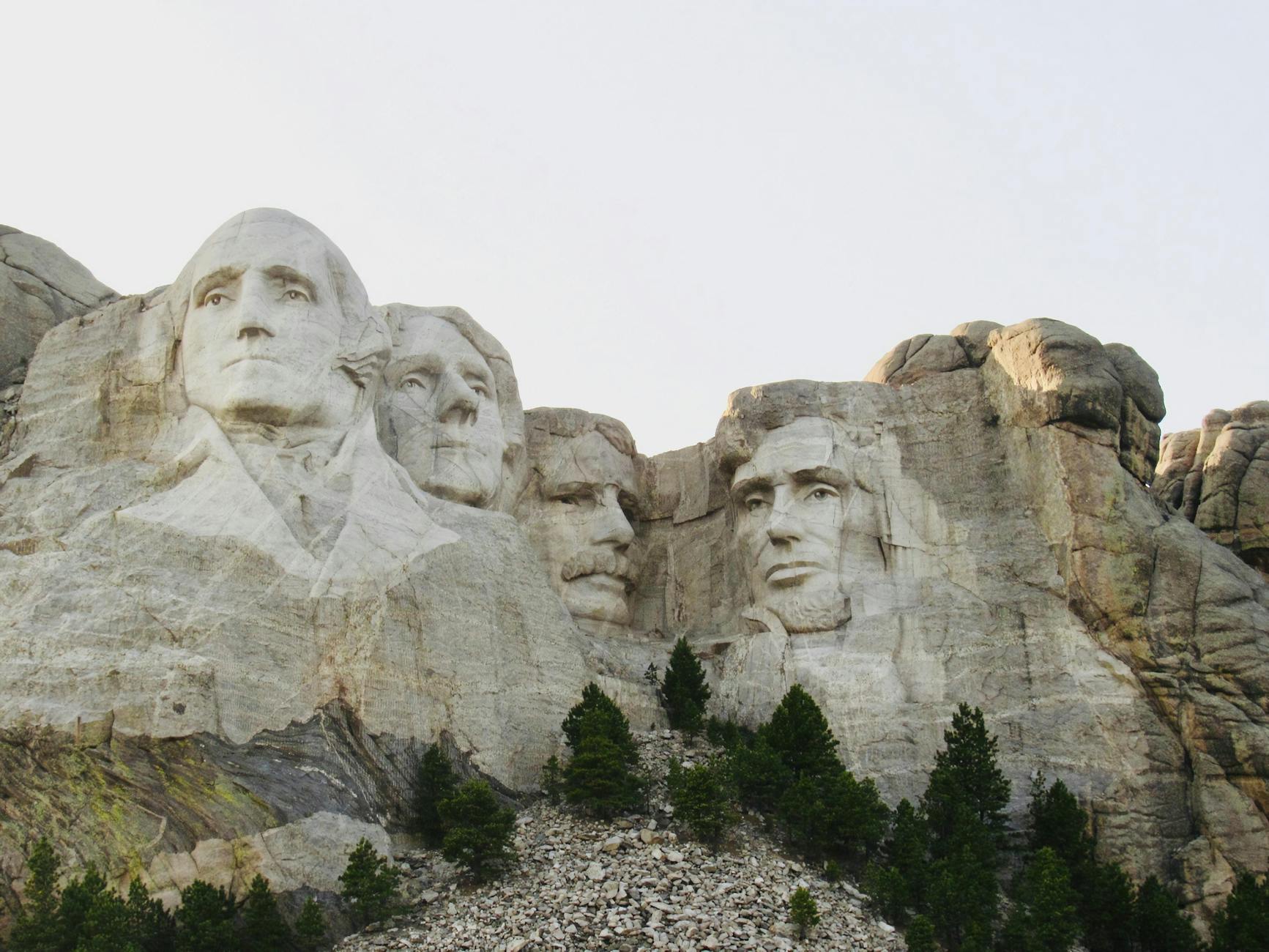
    Today’s post is a history lesson, but I hope you find it enlightening rather than dull. It’s Presidents’ Day, a holiday originally created to celebrate George Washington’s birthday on February 22. As the nation grew and elected more presidents, the holiday evolved into a day to honor all U.S. presidents.

    Presidents and Disabilities: A Lesser-Known History

    Since this blog focuses on disability, you might wonder why I’m writing about Presidents’ Day. The reason? Many past U.S. presidents have had disabilities—some visible, some hidden. Growing up, I had dreams of becoming president, thinking I would be the first disabled person to hold the office. However, history proves otherwise.

    One of the most well-known examples is Franklin Delano Roosevelt (FDR). According to Wikipedia, FDR was elected in 1932 as the 32nd president of the United States. He remains the only physically disabled president in U.S. history. FDR led the country through the Great Depression. He also guided the nation during World War II. He implemented the New Deal and reshaped the American economy.

    Before he moved into the White House, ramps were installed to make it more wheelchair-friendly. To maintain his public image, photos were taken at specific angles to minimize the visibility of his disability.

    FDR’s Disability and Advocacy

    FDR began experiencing symptoms of a paralytic illness in 1921 at age 39 and was later diagnosed with poliomyelitis. He underwent extensive therapy, including hydrotherapy at Warm Springs, Georgia. Although paralyzed from the waist down, he made great efforts to conceal his reliance on a wheelchair and leg braces. In 1938, he founded the National Foundation for Infantile Paralysis, which played a crucial role in developing polio vaccines. While most historical records attribute his condition to polio, some modern experts suggest he may have had Guillain–Barré syndrome.

    Disability advocate Hugh Gallagher argued that Roosevelt went to great lengths to appear able-bodied, stating:

    “FDR did not want the public to be aware that he was forced to use a wheelchair.”

    In contrast, historian James Tobin suggested that Roosevelt used his disability as a strength. He portrayed himself as a fighter and an underdog. He did this rather than becoming someone to pity.

    In one of his rare public acknowledgments of his disability, Roosevelt addressed Congress on March 1, 1945, just a month before his death:

    “I hope that you will pardon me for this unusual posture of sitting down, but I know you will realize that it makes it a lot easier for me not to have to carry about ten pounds of steel around on the bottom of my legs.”

    Franklin Roosevelt is depicted in his wheelchair in the Prologue Room of the Franklin Delano Roosevelt Memorial National Park Service photo

    Designing an Inclusive Legacy: The FDR Memorial

    Even after his passing, the National Park Service ensured his memorial was accessible. According to NPS, landscape architect Lawrence Halprin designed the FDR Memorial with wheelchair ramps. He incorporated interactive statues and Braille engravings. These features made it accessible long before the Americans with Disabilities Act (ADA) was enacted.

    Other Presidents with Disabilities

    FDR was not the only president with a disability. According to United Rehabilitation Services of Greater Dayton, many U.S. presidents had disabilities, ranging from epilepsy to learning disabilities. Here are a few:

    • George Washington (1st President, 1789-1797): Believed to have had a learning disability due to struggles with spelling and grammar.
    • Thomas Jefferson (3rd President, 1801-1809): Reportedly had a learning disability despite being a principal author of the Declaration of Independence.
    • James Madison (4th President, 1809-1817): Had epilepsy but played a key role in drafting the U.S. Constitution.
    • Abraham Lincoln (16th President, 1861-1865): Battled severe depression and possibly had Marfan Syndrome.
    • Theodore Roosevelt (26th President, 1901-1909): Suffered from visual impairment due to a boxing injury.
    • Woodrow Wilson (28th President, 1913-1921): Had a learning disability, possibly dyslexia, and suffered a stroke while in office.
    • John F. Kennedy (35th President, 1961-1963): Experienced chronic back pain and is suspected to have had a learning disability.
    • Ronald Reagan (40th President, 1981-1989): Developed hearing impairment due to an on-set accident during his acting career.
    • Bill Clinton (42nd President, 1993-2001): Has high-frequency hearing loss and wears hearing aids.

    A Legacy of Strength and Resilience

    Throughout American history, presidents with disabilities have faced unique challenges, yet they persevered to lead the nation. Their stories highlight the importance of resilience and show that disabilities do not define a person’s potential.

    This Presidents’ Day, as we honor the leaders of our country, let’s also recognize the barriers they overcame. Disability should never be seen as a limitation—it is simply one aspect of the diverse experiences that shape great leaders.

  • Help Wanted?

    Help Wanted?

    “Do you need help?”

    This is a question that many people with disabilities, including myself, face daily. While it is often asked with good intentions, it can be an awkward or even frustrating experience for both the person offering assistance and the one being asked.

    Understanding the Context

    I recognize that offers of help usually stem from a place of kindness. In most situations, I will either accept the assistance or politely decline. However, the decision is rarely a simple one. Various factors influence how I respond.

    Take, for example, the buttons that automatically open doors. When I am out with my service dog, I typically decline offers from others to open doors for me. The reason is straightforward. My dog is trained to perform that task. If people frequently intervene, he may start to expect others to do it for him.

    That does not mean I refuse all forms of assistance. If someone is already holding the door open as they walk through, I will pass through as well. I have also observed this: many people find it fascinating to watch a service dog. They enjoy seeing it complete tasks it has been trained to do.

    On the other hand, there are situations where assistance is both welcome and necessary. For instance, if something is out of my reach like an object on a high shelf I appreciate the help.

    One particular instance stands out: while walking my dog, he once relieved himself just beyond my safe grasp. Despite my best efforts, I could not reach the mess. A businessman in a three-piece suit walked past, saw my struggle, and offered to help. I gratefully accepted because I understood the physical exertion required to complete the task on my own.

    Individual Perspectives Vary

    It is important to recognize that not all disabled individuals feel the same way about receiving help. Some welcome assistance, while others strongly prefer independence. I have encountered individuals who become frustrated or even angry when assistance is offered. This reaction may stem from viewing help as a sign of weakness. They may also be newly disabled and still adjusting to their limitations.

    How Can You Help?

    People often ask me what they should do in these situations, but there is no universal answer. The best approach is simple: ask. If someone accepts your help, that is wonderful. If they decline or appear irritated by the offer, do not take it personally. More often than not, their reaction is based on their personal experiences rather than a reflection of you.

    What You Should NOT Do

    One crucial rule to remember is never assume someone needs help and act without asking. Walking up and intervening without permission can be disruptive, and in some cases, dangerous. For example, when I transfer from my wheelchair, balance is critical. If someone were to assist me without warning, they could unintentionally cause me to lose balance. This action might lead to a fall, putting both of us at risk.

    Conclusion

    Offering help is a kind and thoughtful gesture, but it must be done with consideration and respect. The best way to assist someone with a disability is to ask first and accept their response without judgment. Understanding that every individual has different needs and preferences will create a more inclusive and respectful environment for everyone.

    So, the next time you see someone who needs help, remember: a simple question—“Would you like some assistance?”—can go a long way in fostering understanding and respect.

  • An Invitation to the Table

    An Invitation to the Table

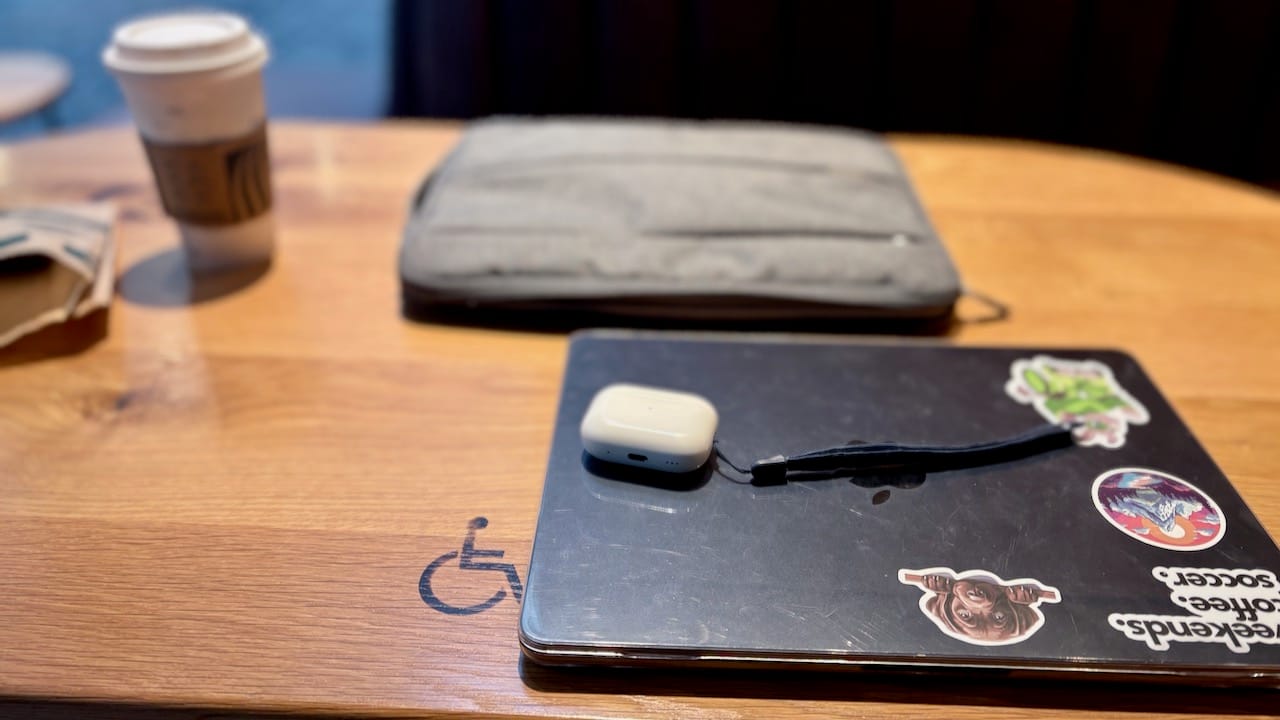
    Last week, I found myself at a local coffee shop, seated at one of the accessible tables. My belongings were spread out, coffee in hand, ready to tackle some work. The table bore a small marker—a symbol indicating it was designated for wheelchair users like me. But as I sat there, I began to ponder the true meaning of that symbol.

    The purpose of such designations is to ensure that people with disabilities have a space where they can comfortably work, eat, or simply exist in a public setting. It is an acknowledgment that accessibility matters. But here’s the thing: while the table may be designed with accessibility in mind, it is not a table just for me. It is a table for anyone who needs it.

    If someone had approached me and asked, “Can I sit here too?” my answer would have been a resounding yes. Because that table, while accessible, is not exclusive. It is a space for anyone—a place to rest, to gather thoughts, to work, or simply to breathe.

    I think about all the possibilities that table represents. It could be a refuge for someone needing a break from the rush of the day, setting down their burdens alongside their coffee cup. It could be a haven for a book lover, lost in a story. Or maybe it is where a casual conversation begins, sparked by the big, goofy yellow dog lying quietly beneath the table, tail wagging at the possibility of a friendly pet.

    We live in a world where our focus is often directed inward—our own lives, our own struggles. We sometimes forget to notice the people sitting just a few feet away. Too often, we see others as strangers, obstacles, or distractions instead of potential connections.

    But what if we shifted our perspective? What if we saw spaces like that accessible table not as individual territories, but as shared places, open to all? What if we recognized them as opportunities to connect?

    I believe we need more moments where we simply sit together, whether to chat or to exist quietly in each other’s company. There is something powerful about being present with another person, even if only for a short while.

    So, if you ever see me at a table like that, do not hesitate. Walk up, meet my eyes, and ask, “Can I sit here too?” And I will say yes, gladly inviting you to share the space. Because at the end of the day, that table is not just for me—it is for anyone who needs it.

    Maybe we will talk about life, about our mutual love for this coffee shop, or about the silly antics of our dogs. Or maybe we will simply sit in silence, each focused on our own tasks, comforted by the presence of another person nearby.

    In a world that often feels isolating, taking a seat at the table might just be the first step toward creating a little more connection, understanding, and community.